

Principle and Working Scene Characteristics of Calcite Powder Pneumatic Conveying Equipment
Calcite powder, a widely used industrial mineral, often requires efficient and reliable transportation methods to ensure smooth production processes. Pneumatic conveying equipment has emerged as a critical solution for handling calcite powder, offering advantages such as dust-free operation, low maintenance, and the ability to transport materials over long distances. This article explores the fundamental principles of calcite powder pneumatic conveying equipment and highlights the key working scene characteristics that make it an ideal choice for various industrial applications.
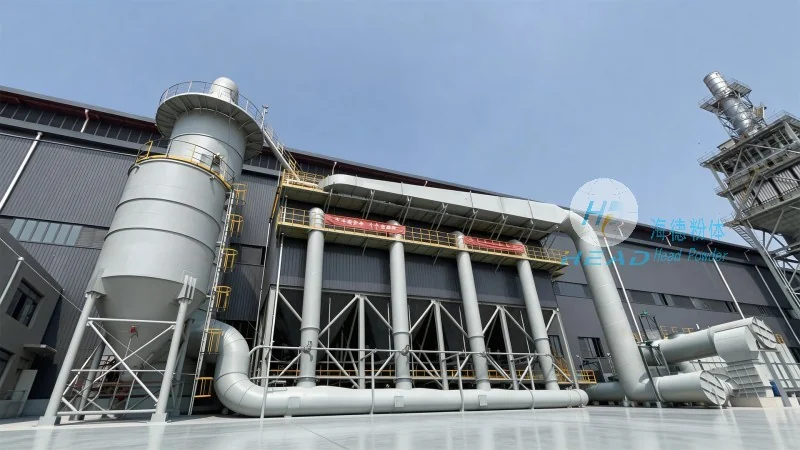
Understanding the Core Principles of Pneumatic Conveying Systems
The operation of pneumatic conveying systems for calcite powder is based on the principles of fluid dynamics and particle transport. At its essence, the system uses a gas stream—typically air or a combination of air and other gases—to move powder particles through a pipeline. The process involves several key components, including a material feed hopper, a conveyor line, a separator, and a discharge outlet. The feed hopper holds the calcite powder, which is then introduced into the pipeline under controlled conditions. The gas stream, generated by a blower or compressor, creates a pressure differential that propels the powder particles forward. As the particles travel through the pipeline, they are suspended and transported to the destination. The separator, often a cyclone or bag filter, then separates the powder from the gas stream, allowing the powder to be collected at the discharge point while the gas is either recirculated or vented. This closed-loop system minimizes dust emissions and ensures a clean working environment, which is particularly important for calcite powder, which can be fine and easily airborne.
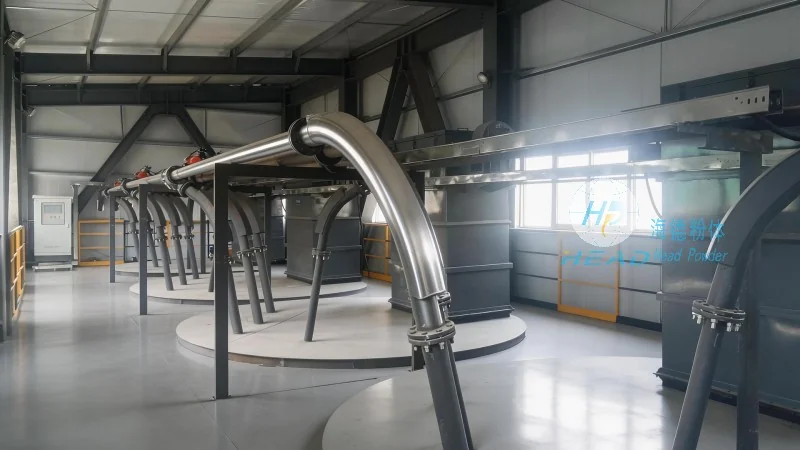
Key Working Scene Characteristics of Calcite Powder Pneumatic Conveying Equipment
The effectiveness of calcite powder pneumatic conveying equipment is heavily influenced by several working scene characteristics that must be considered for optimal performance. First, the particle size and density of the calcite powder play a crucial role. Fine particles, such as those with a diameter less than 100 microns, may require higher air velocities to maintain suspension, while larger particles can be transported at lower velocities. The density of the powder also affects the required air volume and pressure, as denser materials need more force to move through the pipeline. Second, the distance and layout of the conveying system are critical factors. Longer conveying distances may necessitate multiple stages of transport, such as a combination of dilute phase and dense phase conveying, to maintain efficiency and prevent particle degradation. The layout of the pipeline, including bends, vertical sections, and horizontal runs, must be designed to minimize pressure losses and ensure smooth particle flow. Third, the operating environment and safety considerations are paramount. Pneumatic conveying systems for calcite powder must comply with industrial safety standards, including proper ventilation to control dust exposure and the use of explosion-proof components if the powder is flammable or has the potential to create explosive mixtures. Additionally, the system should be designed to handle variations in feed rate and material consistency, ensuring consistent performance even with fluctuations in production.
HeadPowder's Expertise in Designing Calcite Powder Pneumatic Conveying Solutions
Shandong HeadPowder Engineering Co., Ltd., commonly known as HeadPowder, has established itself as a leading provider of specialized pneumatic conveying equipment tailored to the unique needs of calcite powder processing. With a focus on innovation and customer-centric solutions, HeadPowder leverages decades of experience in the industry to design and manufacture systems that meet the highest standards of efficiency, reliability, and safety. The company's team of engineers and technicians works closely with clients to understand their specific production requirements, including the characteristics of their calcite powder, the distance and layout of the conveying path, and any regulatory or safety constraints. This collaborative approach ensures that the final system is optimized for the client's operational environment, minimizing downtime and maximizing productivity. HeadPowder's equipment is engineered to handle a wide range of calcite powder types, from fine powders used in pharmaceuticals and cosmetics to coarser powders used in construction and industrial applications. The company's commitment to quality is evident in its use of durable materials, such as stainless steel and high-grade plastics, which are resistant to corrosion and wear from the calcite powder. Additionally, HeadPowder's systems are equipped with advanced control technologies, including variable frequency drives and real-time monitoring, to allow for precise adjustment of air flow and pressure, ensuring consistent and reliable operation.
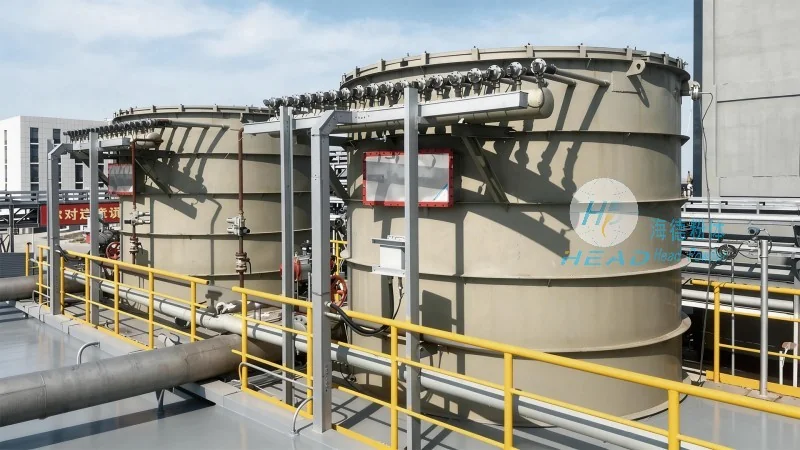
Applications and Performance in Real-World Scenarios
The working scene characteristics of calcite powder pneumatic conveying equipment are best understood through real-world applications. For example, in a pharmaceutical manufacturing facility, calcite powder is used as a filler or excipient in tablet production. The pneumatic conveying system must be designed to handle the fine, low-density powder while maintaining strict cleanliness standards to prevent contamination. HeadPowder's equipment in this scenario includes a closed-loop system with a cyclone separator and a HEPA filter to ensure that no dust escapes into the production environment. The system operates at low air velocities to prevent particle degradation and uses a gentle feeding mechanism to avoid agglomeration. In another application, a construction materials company uses calcite powder as a raw material for cement production. The conveying system here must handle larger, denser particles over longer distances, requiring a combination of dilute phase and dense phase conveying. HeadPowder's solution includes a blower with a high pressure rating and a pipeline system with reinforced bends to accommodate the longer run. The system's performance is monitored in real time, with sensors tracking pressure, flow rate, and particle concentration to ensure optimal operation. These real-world examples illustrate how the working scene characteristics of calcite powder pneumatic conveying equipment are tailored to specific applications, and how HeadPowder's expertise ensures that the systems meet the unique demands of each client.