

Principle and Working Scene Characteristics of Micro Silica Powder Material Handling Equipment
Micro silica powder, a critical material in various industrial applications, requires efficient and reliable handling systems to ensure optimal performance and safety. The material handling equipment designed for micro silica powder must address unique challenges such as dust control, material flow management, and equipment durability. This article explores the fundamental principles behind micro silica powder material handling systems and highlights key working scene characteristics that define their operational effectiveness.
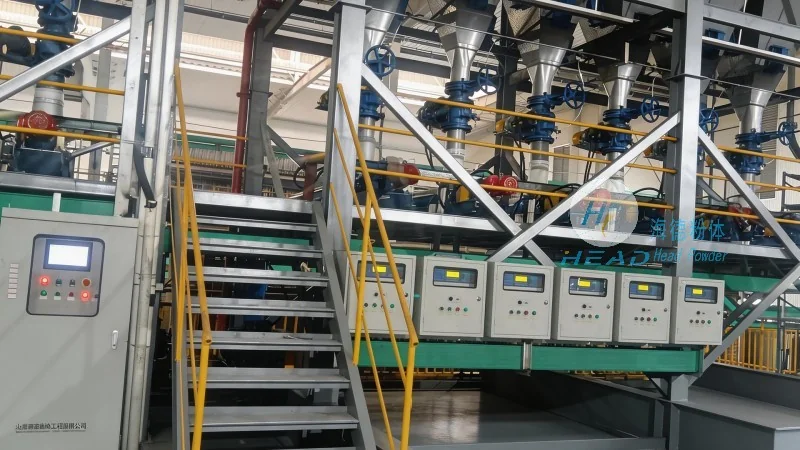
Overview of Micro Silica Powder Handling Equipment
Micro silica powder, also known as fumed silica, is a fine, high-purity powder with a particle size typically ranging from 5 to 50 nanometers. Its applications span across industries including construction, electronics, and cosmetics, where its unique properties like high surface area and colloidal stability are leveraged. Handling this material demands specialized equipment due to its fine particle size, which can lead to issues like agglomeration, dust dispersion, and equipment wear. The primary goal of micro silica powder handling systems is to transport the powder from storage to processing units while maintaining its quality and preventing environmental contamination.
Core Principles of Material Handling Systems
The design of micro silica powder handling equipment is guided by several core principles aimed at ensuring efficient and safe operation. First, dust control is paramount, as micro silica powder is highly respirable and can pose health risks if inhaled. Equipment such as enclosed conveyors, dust collection systems, and sealed storage vessels are integral to minimizing airborne particles. Second, material flow management is critical to prevent blockages and ensure consistent throughput. This involves using low-friction components, proper inclination angles for conveyors, and effective feeding mechanisms to maintain a smooth flow of the fine powder. Third, equipment durability is essential due to the abrasive nature of micro silica powder, which can cause wear on metal surfaces and components. Materials like stainless steel, special alloys, and wear-resistant coatings are commonly used to extend the lifespan of the handling system.
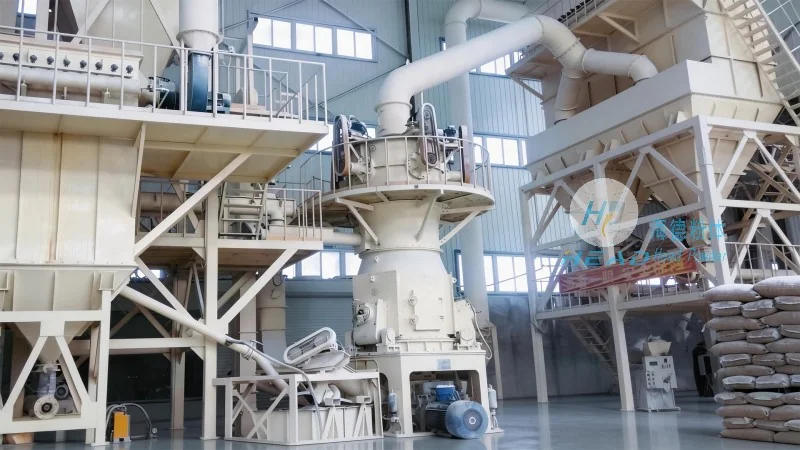
Working Scene Characteristics and Applications
The operational characteristics of micro silica powder handling equipment vary significantly based on the specific industrial application. In the construction industry, for instance, micro silica powder is used as a supplementary cementitious material in concrete production. The handling systems in this sector must be capable of integrating with large-scale batching plants and ensuring precise dosing of the powder into the mixing process. This often involves high-capacity conveyors and automated feeding systems that can handle large volumes of material while maintaining accuracy. In the electronics industry, micro silica powder is used as a filler in silicone rubber and other composite materials. Here, the handling equipment must meet stringent cleanliness requirements to avoid contamination of sensitive components. Enclosed, dust-tight systems and filtration units are standard to maintain a clean environment. The cosmetics industry also utilizes micro silica powder for its absorbent properties in skincare products. The handling systems in this field prioritize hygiene and product purity, using stainless steel components and rigorous cleaning protocols to prevent cross-contamination.
Key Components and Technologies in Micro Silica Powder Handling
Several key components and technologies are essential to the effective operation of micro silica powder handling equipment. Conveying systems, such as pneumatic conveying lines and screw conveyors, are commonly used to transport the fine powder. Pneumatic conveying, in particular, offers advantages like enclosed transport and reduced equipment wear, making it suitable for high-purity applications. However, it requires careful control of air pressure and flow rates to prevent material degradation or blockages. Screw conveyors, on the other hand, are more suitable for horizontal or slight incline transport and can handle larger volumes with lower maintenance. Storage solutions, including silos and hoppers, are designed with smooth, non-stick surfaces to prevent powder buildup and ensure easy discharge. These storage vessels are often equipped with agitators or vibrators to maintain material flow and prevent caking. Additionally, dust collection and filtration systems are critical to maintaining air quality and compliance with environmental regulations. These systems typically include cyclones, bag filters, and HEPA filters to capture and remove fine particles from the air stream.
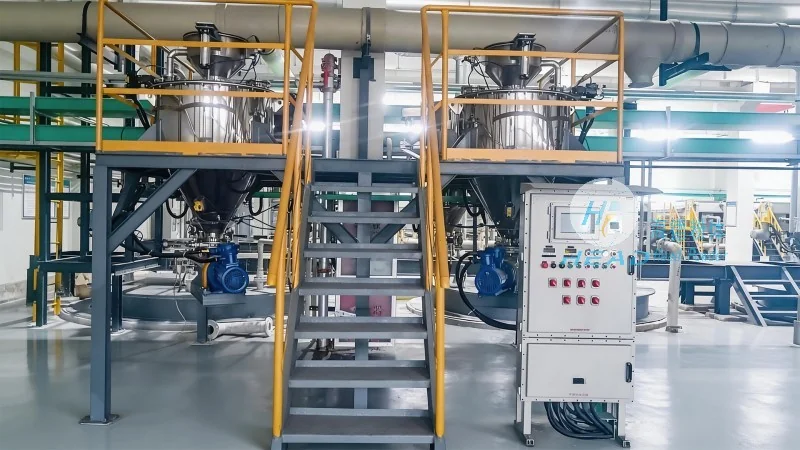
Operational Considerations and Best Practices
Effective operation of micro silica powder handling equipment requires adherence to several best practices to ensure longevity and performance. Regular maintenance is crucial, including cleaning of conveyor components, inspection of seals, and replacement of worn parts. This helps prevent dust accumulation and equipment failure. Proper training of operators is also essential to ensure safe and efficient operation, as handling micro silica powder involves specific procedures for handling spills and maintaining equipment. Additionally, monitoring of operational parameters such as pressure, flow rate, and temperature can help identify potential issues before they become major problems. Implementing a preventive maintenance schedule and using predictive analytics can further enhance the reliability of the handling system. Finally, compliance with safety and environmental regulations is a key consideration, as improper handling of micro silica powder can lead to health hazards and environmental contamination.
Conclusion
Micro silica powder material handling equipment plays a vital role in ensuring the efficient and safe processing of this critical material across various industries. By adhering to core principles such as dust control, material flow management, and equipment durability, and by understanding the specific working scene characteristics of different applications, manufacturers can design and operate effective handling systems. The integration of advanced technologies and best practices continues to improve the performance and reliability of these systems, supporting the growing demand for micro silica powder in modern industrial applications.