

[CMPARISON OF COMMON LIMESTONE CONVEYING METHODS: ADVANTAGES AND DISADVANTAGES]
When it comes to handling limestone, particularly in industrial applications, selecting the right conveying method is crucial for efficiency, cost-effectiveness, and operational safety. Limestone, often used as calcium hydroxide or in various industrial processes, requires reliable transport from storage to processing equipment. This article provides a detailed comparison of common limestone conveying methods, highlighting their advantages and disadvantages, to help industrial operators make informed decisions.
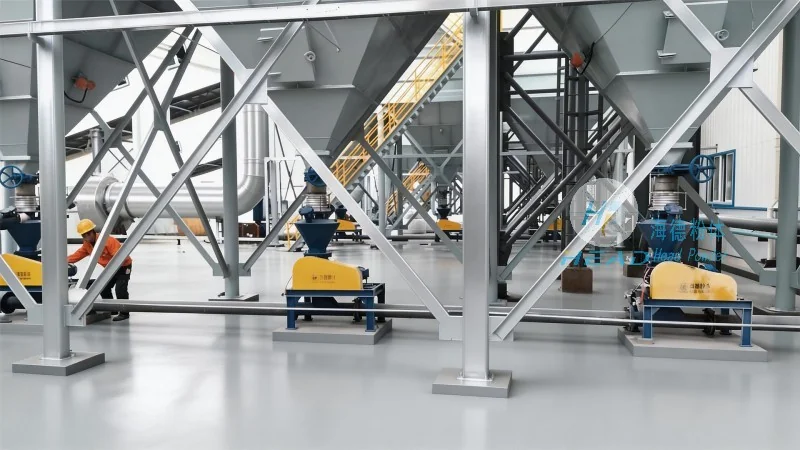
Introduction to Limestone Conveying
Limestone, a versatile mineral widely used in construction, agriculture, and chemical industries, is typically handled in bulk quantities. The choice of conveying method depends on factors such as material characteristics, distance, throughput requirements, and the specific application. Common methods include pneumatic conveying, belt conveyors, screw conveyors, and hydraulic systems. Each method has its own set of benefits and limitations, which are discussed below.
Pneumatic Conveying Systems
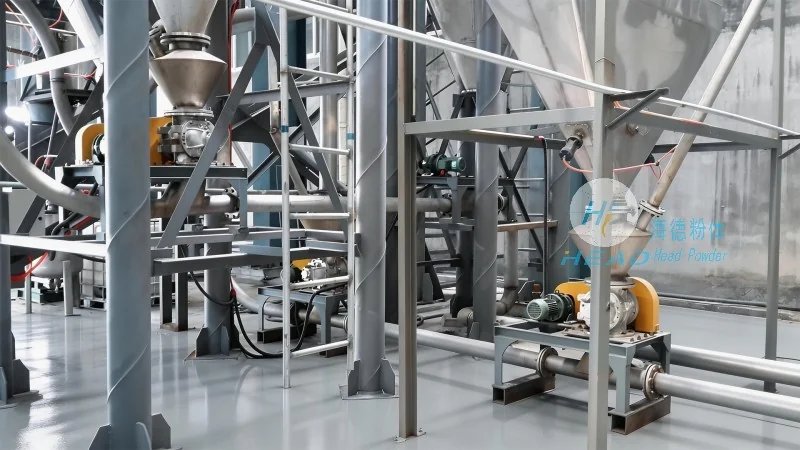
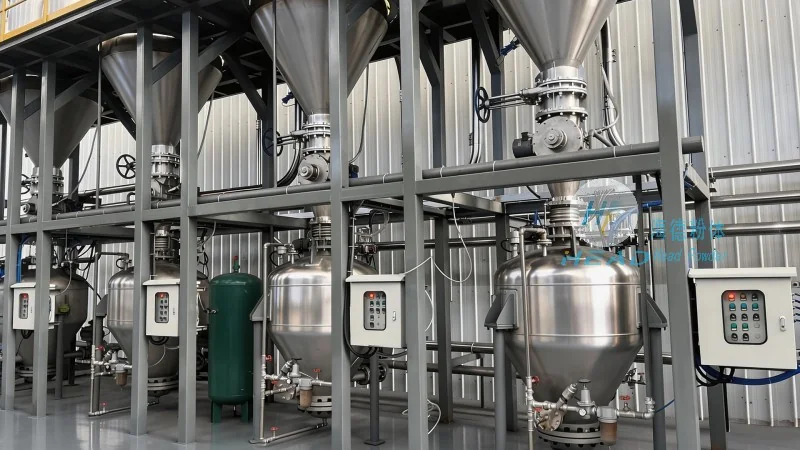
Pneumatic conveying uses air or other gases to transport limestone particles through a pipeline. This method is ideal for applications requiring high flexibility and minimal maintenance. The primary advantage of pneumatic systems is their ability to handle fine powders and abrasive materials without causing wear on equipment. They are also suitable for long-distance transport and can be integrated with other processing equipment. However, pneumatic conveying has significant drawbacks, including high energy consumption and the need for robust filtration systems to prevent dust accumulation. Additionally, the system can be prone to blockages if the material is too wet or contains excessive moisture.
Belt Conveyors
Belt conveyors are one of the most common and cost-effective methods for transporting bulk materials like limestone. They consist of a continuous belt that moves material from one point to another. The main advantage of belt conveyors is their simplicity and low operational cost. They can handle large volumes of material and are suitable for both short and long distances. Belt conveyors are also relatively easy to install and maintain, making them a popular choice for many industrial settings. The primary disadvantage is their limited ability to handle fine powders, as the material may fall through the belt or cause slippage. Additionally, belt conveyors require regular maintenance to prevent belt wear and tear, and they are not suitable for vertical transport.
Screw Conveyors
Screw conveyors, also known as auger conveyors, use a rotating screw to move limestone through a tube or trough. This method is particularly effective for handling dry, free-flowing materials and is commonly used in feed and bulk material handling. The main advantage of screw conveyors is their compact design and ability to handle vertical and horizontal transport. They are also relatively low-cost and easy to install. However, screw conveyors have limitations, such as the risk of material bridging or clogging, especially with cohesive or moist limestone. The rotating screw can also cause wear on the material and the conveyor itself, reducing its lifespan. Additionally, screw conveyors are not suitable for very fine powders or abrasive materials that may damage the screw.

Hydraulic Conveying Systems
Hydraulic conveying systems use water or other liquids to transport limestone particles. This method is primarily used in applications where the material is mixed with water, such as in slurry transport. The main advantage of hydraulic systems is their ability to handle high volumes of material with minimal energy consumption. They are also effective for long-distance transport and can be integrated with other processing equipment. However, hydraulic conveying has significant drawbacks, including the need for large storage tanks and the risk of corrosion from the liquid medium. The system also requires regular maintenance to prevent clogging and ensure proper fluid flow. Additionally, hydraulic systems are not suitable for dry material transport and may not be effective for fine powders.
Choosing the Right Conveying Method
When selecting a limestone conveying method, industrial operators must consider several factors, including material characteristics, distance, throughput, and operational requirements. Pneumatic systems are ideal for fine powders and long-distance transport but require high energy and maintenance. Belt conveyors are cost-effective and simple but limited in handling fine materials. Screw conveyors are compact and versatile but prone to clogging and wear. Hydraulic systems are efficient for slurry transport but require significant infrastructure and maintenance. Ultimately, the best choice depends on the specific application and operational constraints.
Conclusion
Choosing the right limestone conveying method is critical for optimizing industrial processes and ensuring operational efficiency. By understanding the advantages and disadvantages of each method, operators can select the most suitable option for their needs. For more information on limestone handling solutions, contact Shandong HeadPowder Engineering Co., Ltd., a leading provider of industrial conveying equipment based in China.