

Principle and Working Scene Characteristics of Potassium Hydroxide Powder Conveying Line
For industrial applications involving the handling and transportation of potassium hydroxide (KOH) powder, specialized conveying systems are essential to ensure efficiency, safety, and reliability. The potassium hydroxide powder conveying line, as offered by Shandong HeadPowder Engineering Co., Ltd., is a sophisticated solution designed to meet the unique demands of this highly caustic and reactive material. This article explores the fundamental principles behind such systems and highlights the key working scene characteristics that make them indispensable in modern industrial operations.
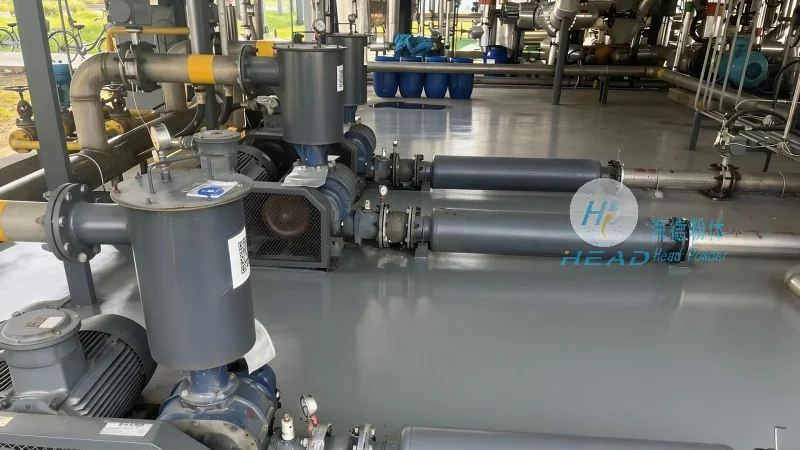
Principle of Operation for Potassium Hydroxide Powder Conveying Lines
The core principle of a potassium hydroxide powder conveying line revolves around the use of positive displacement or pneumatic conveying technologies to transport the material from its source to the destination. In the case of headpowder's solutions, the system typically incorporates a combination of components, including a hopper for material storage, a feeder to control the flow rate, a conveyor (such as a screw or pneumatic line), and a receiver for the final discharge. The design prioritizes minimizing material degradation, preventing dust generation, and ensuring consistent flow, which are critical for handling potassium hydroxide—a substance known for its hygroscopic and reactive properties.
One of the key operational principles is the maintenance of a consistent and controlled flow rate. This is achieved through the use of variable speed feeders or pressure regulators, which adjust the material feed based on system conditions. For potassium hydroxide, which can clump or adhere to surfaces due to its hygroscopic nature, the conveying line often includes features like vibration or agitation to prevent blockages and ensure smooth transport. Additionally, the system is engineered to handle the material's reactivity with moisture and air, incorporating sealed components and proper ventilation to prevent exposure to the environment.

Working Scene Characteristics of Potassium Hydroxide Powder Conveying Lines
The working scene characteristics of a potassium hydroxide powder conveying line are tailored to the specific requirements of industrial environments where this chemical is processed. These characteristics include:
1. **Material Handling Efficiency**: The system is designed to handle large volumes of potassium hydroxide powder with minimal downtime. The use of robust conveyor components and automated controls ensures that the material is transported from storage to processing equipment or packaging areas without interruption, optimizing production throughput.
2. **Safety and Environmental Protection**: Given the caustic nature of potassium hydroxide, safety is a paramount concern. The conveying line incorporates sealed and insulated components to prevent leaks and exposure to personnel. Additionally, dust collection systems are integrated to control airborne particles, reducing the risk of inhalation and environmental contamination. The design also adheres to industrial safety standards, minimizing the potential for accidents during operation.
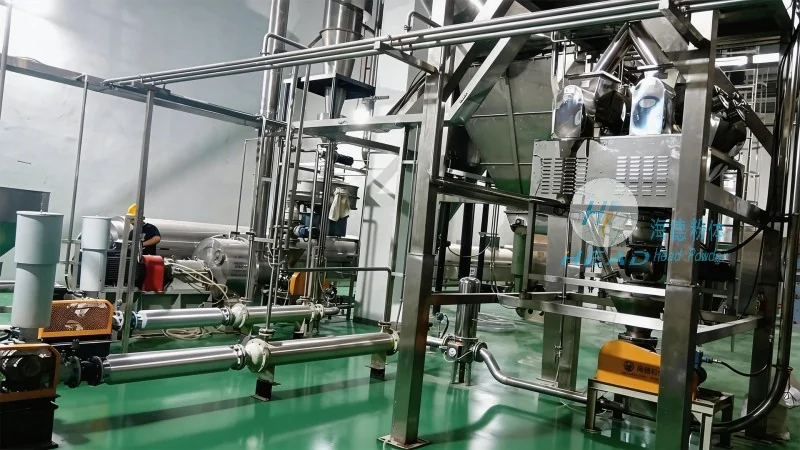
3. **Customization for Industrial Applications**: The working scene characteristics are highly customizable to suit different industrial settings. For example, in chemical manufacturing plants, the conveying line may be integrated with reactors or reactors, requiring precise control over the material flow rate to maintain reaction conditions. In packaging facilities, the system may include a final discharge mechanism that aligns with packaging machinery, ensuring seamless transfer of the powder into containers. The flexibility of the system allows it to adapt to various production workflows and equipment configurations.
4. **Durability and Longevity**: The components of the conveying line are constructed from materials resistant to the corrosive effects of potassium hydroxide, such as stainless steel or specialized polymers. This ensures that the system can withstand prolonged exposure to the chemical without degradation, reducing maintenance needs and extending the operational life of the equipment. The robust design also minimizes the risk of component failure, which is crucial for maintaining consistent production performance.