

Principles and Working Scene Characteristics of Mung Bean Powder Conveying
Exploring the principles and operational characteristics of mung bean powder conveying is essential for optimizing material handling in industrial settings. This article provides an in-depth look at the technical aspects of transporting mung bean powder, a vital ingredient in food production, and highlights the specific scenarios where such systems are most effective. The focus is on understanding how to maintain efficiency, product quality, and operational reliability in the handling of this fine powder.
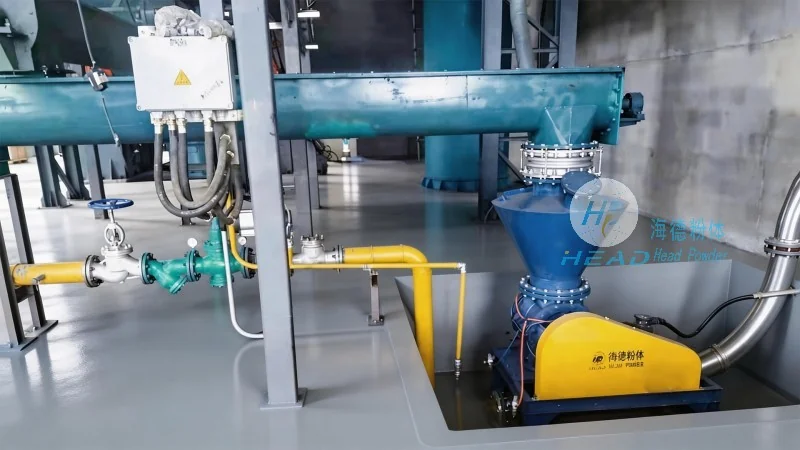
Core Principles Underlying Mung Bean Powder Conveying
Mung bean powder, characterized by its fine particle size (usually 100-200 microns) and relatively low bulk density (approximately 0.6-0.8 g/cm³), requires specialized conveying systems to ensure smooth transport. The primary principles of effective powder conveying include maintaining consistent flow rates, preventing clogging and blockages, and minimizing material degradation. These systems must also account for the powder's hygroscopic nature, which can lead to moisture absorption and changes in flow properties, as well as the potential for static charge accumulation that may affect handling and safety.
Working Scene Characteristics and Application Scenarios
The effectiveness of mung bean powder conveying systems is heavily influenced by the operational environment. In food processing facilities, these systems are integral to the production line, where they transfer powder from storage silos to mixing, blending, or packaging equipment. The working scene characteristics in such settings include stringent hygiene standards, strict contamination control measures, and the need for gentle handling to preserve the nutritional and sensory attributes of the mung bean powder. For example, in a bakery or confectionery plant, the conveying system must ensure that the powder is delivered to the mixing tank without clumping or degradation, which could affect the final product's texture and taste.
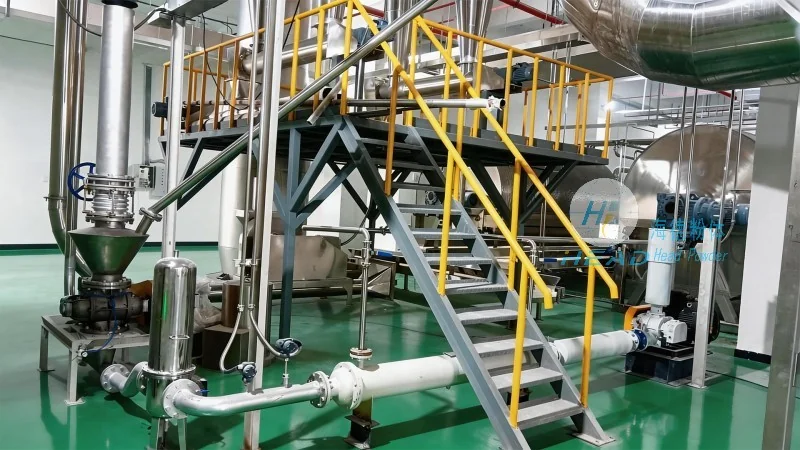
System Design and Operational Considerations by Shandong HeadPowder Engineering Co., Ltd.
Shandong HeadPowder Engineering Co., Ltd., a leading provider of powder handling solutions based in China, specializes in designing and implementing customized conveying systems for mung bean powder. The company's approach involves a thorough analysis of the material's properties and the specific requirements of the application. Key operational considerations include the selection of appropriate conveyor types, such as screw conveyors or pneumatic systems, based on factors like transport distance, required flow rate, and the powder's flow characteristics. The design also incorporates features like variable speed drives, which allow for adjustments to flow rates in response to production demands, and dust control measures to maintain a clean and safe working environment.
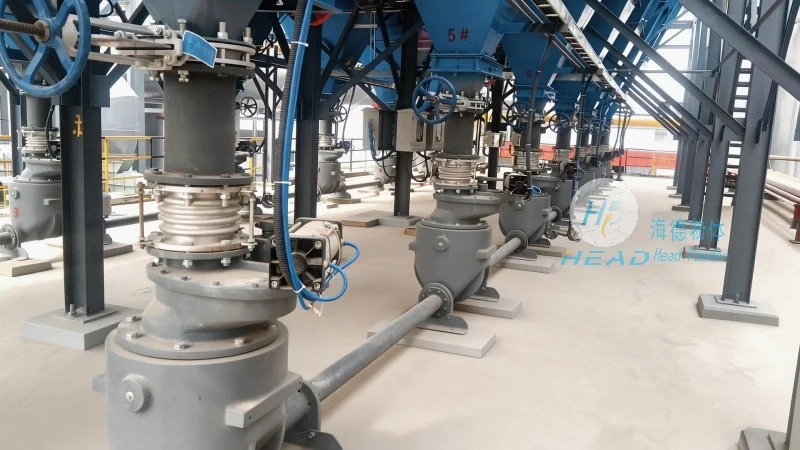
Real-World Applications and Case Studies
Real-world applications of mung bean powder conveying systems demonstrate the importance of tailored solutions. In one case, a screw conveyor system was installed in a food processing plant to transport mung bean powder from a storage bin to a mixing tank. The system was designed with a variable speed motor to adjust the flow rate, ensuring that the powder is delivered at a consistent rate without causing blockages. The screw conveyor's gentle handling minimizes particle breakage and maintains the powder's quality. In another scenario, a pneumatic conveying system was used for longer transport distances, where the powder is carried by air through a network of pipes. This method is particularly effective for handling fine powders that are prone to clogging in traditional mechanical systems, as the air flow helps to prevent particle accumulation and ensures smooth transport.
Conclusion and Future Outlook
As the demand for high-quality mung bean products continues to grow, the importance of efficient powder conveying systems becomes increasingly critical. Shandong HeadPowder Engineering Co., Ltd. remains at the forefront of innovation, offering advanced solutions that meet the evolving needs of the industry. By understanding the core principles and working scene characteristics of mung bean powder conveying, manufacturers can optimize their processes, reduce downtime, and enhance overall productivity. The future of powder handling lies in intelligent, adaptive systems that can adjust to the unique properties of each material, ensuring consistent performance and product quality. With a focus on customization and expertise, companies like Shandong HeadPowder Engineering Co., Ltd. are helping to drive efficiency and reliability in the handling of mung bean powder and other fine powders.