

Principle and Working Scene Characteristics of Diatomite Powder Pneumatic Conveying System Equipment
Diatomite powder, a natural sedimentary rock composed of fossilized diatoms, is widely used in various industrial applications due to its unique properties such as high porosity, low density, and excellent filtration capabilities. The efficient and reliable transportation of diatomite powder from production sites to processing facilities is crucial for maintaining production efficiency and product quality. Pneumatic conveying systems have emerged as a preferred solution for handling diatomite powder, offering advantages like dust-free operation, reduced material degradation, and flexible system configurations.
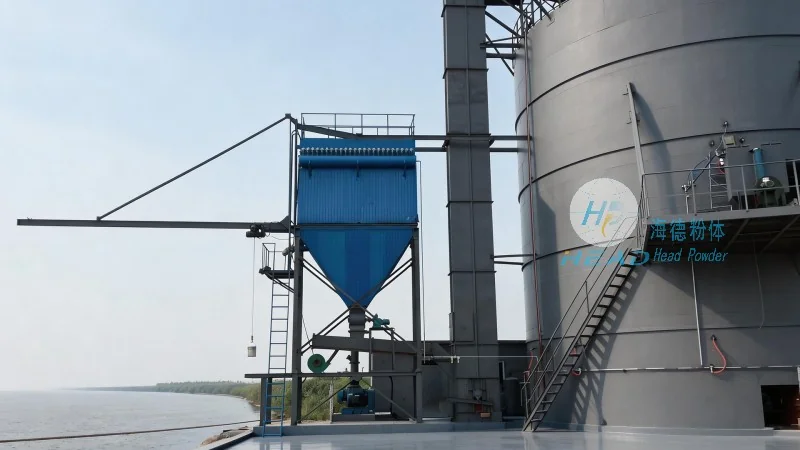
Principle of Pneumatic Conveying Systems for Diatomite Powder
Pneumatic conveying systems operate on the principle of using air or gas to transport bulk materials through a pipeline network. In the case of diatomite powder, the system typically consists of a material hopper, a rotary airlock feeder, a conveying line, and a receiver or silo. The process begins with the diatomite powder being fed into the hopper from the production line. The rotary airlock feeder then regulates the flow of powder into the conveying line, ensuring a consistent and controlled discharge rate. Compressed air is introduced into the conveying line, creating a flow that lifts and transports the powder particles through the pipeline. The air and powder mixture travels to the receiver, where the powder is separated from the air using a cyclone or other separation equipment. The separated powder is then collected in the receiver, while the air is either vented to the atmosphere or recirculated back into the system to improve efficiency.
Key Components and Their Functions in Diatomite Powder Pneumatic Conveying Systems
The effectiveness of a diatomite powder pneumatic conveying system depends on the proper design and integration of several key components. The material hopper serves as a storage container for the diatomite powder, providing a stable and controlled feed source. It is typically equipped with a lid to prevent dust accumulation and environmental contamination. The rotary airlock feeder is a critical component that prevents the backflow of air into the hopper while allowing the powder to pass through at a controlled rate. This component ensures that the powder flow is consistent and prevents clogging or blockages in the system. The conveying line is made of durable materials such as stainless steel or plastic, designed to withstand the abrasive nature of diatomite powder and the pressure of the compressed air. The receiver or silo is used to store the conveyed powder, providing a buffer between the conveying system and downstream processing equipment. It may also include features like level indicators and discharge valves to manage the powder inventory.
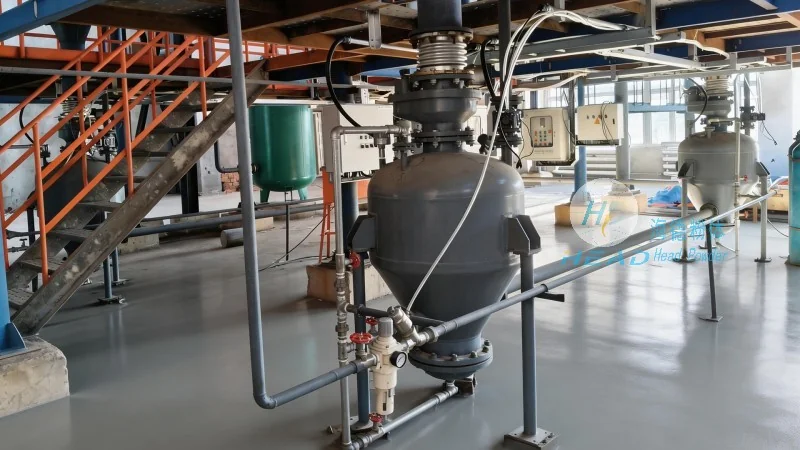
Working Scene Characteristics and Applications
Diatomite powder pneumatic conveying systems are commonly used in industrial settings where the material needs to be transported over short to medium distances, typically within a factory or production facility. The systems are particularly suitable for applications where dust control is essential, such as in pharmaceutical, food processing, and chemical industries. The dust-free operation of pneumatic conveying systems helps maintain a clean working environment and reduces the risk of product contamination. Additionally, these systems are ideal for handling fine powders that are prone to caking or agglomeration, as the air flow prevents the powder from sticking to equipment surfaces. In the context of Shandong HeadPowder Engineering Co., Ltd., the company specializes in designing and manufacturing customized pneumatic conveying solutions tailored to the specific needs of diatomite powder producers. The company's expertise lies in optimizing system performance, ensuring minimal material loss, and providing reliable operation in various industrial environments.
Advantages of Using Pneumatic Conveying for Diatomite Powder Handling
Compared to traditional mechanical conveying methods like belt conveyors or screw conveyors, pneumatic conveying systems offer several advantages for diatomite powder handling. One of the primary benefits is the ability to transport the powder in a closed system, which significantly reduces dust emissions and improves workplace safety. This is particularly important for diatomite powder, which can be a respiratory hazard if inhaled. Another advantage is the reduced risk of material degradation, as the air flow in the system minimizes friction and impact on the powder particles. This helps maintain the quality and properties of the diatomite powder, which is critical for its end-use applications. Furthermore, pneumatic conveying systems provide flexibility in system layout, allowing for horizontal, vertical, or combination (horizontal and vertical) conveying paths. This flexibility enables the integration of the system into existing production facilities without major structural modifications. The systems also offer the ability to transport multiple materials or mix different powders by adjusting the air flow and feed rates, providing versatility in material handling operations.
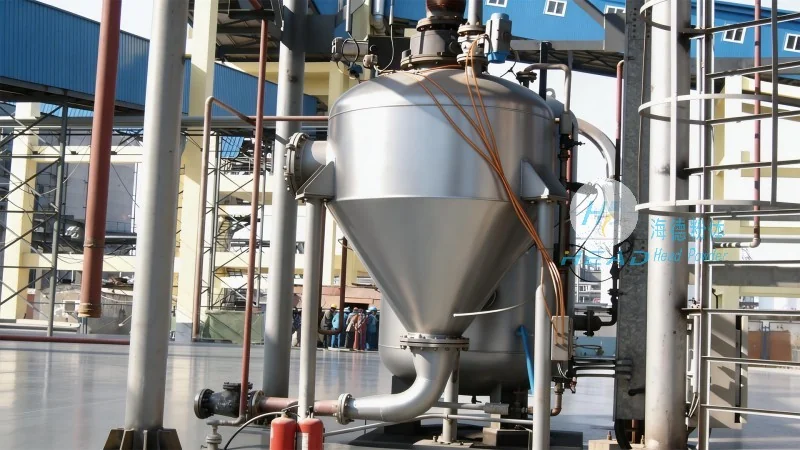
Considerations for System Design and Installation
When designing a diatomite powder pneumatic conveying system, several factors must be considered to ensure optimal performance and longevity. The first consideration is the particle size and density of the diatomite powder, as these properties affect the air velocity required for effective conveying. Larger or denser particles may require higher air velocities or different system configurations to ensure reliable transport. The system's capacity and flow rate must be matched to the production rate of the diatomite powder, ensuring that the conveying system can handle the required volume without bottlenecks or overloading. The choice of materials for the conveying line and components is also critical, as diatomite powder can be abrasive and may cause wear on metal surfaces over time. Stainless steel or high-grade plastic materials are commonly used to withstand the abrasive nature of the powder and the pressure of the compressed air. Additionally, the system must be designed to handle any potential moisture or humidity in the powder, as moisture can affect the powder's flow characteristics and cause clogging. Proper sealing and moisture control measures are essential to maintain system efficiency and prevent material degradation.
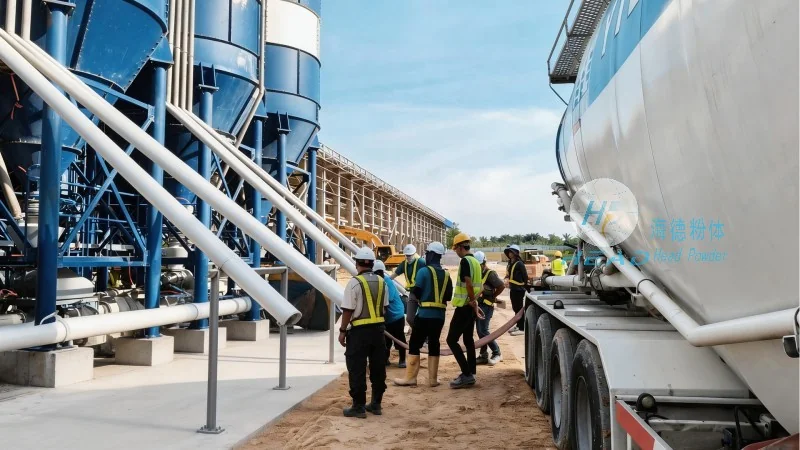
Maintenance and Operational Tips for Diatomite Powder Pneumatic Conveying Systems
Regular maintenance is crucial for ensuring the long-term reliability and efficiency of diatomite powder pneumatic conveying systems. The rotary airlock feeder and material hopper should be inspected regularly for signs of wear or clogging, as these components are prone to material buildup. The conveying line should be checked for any signs of wear or damage, such as cracks or abrasion, which can reduce system performance and increase the risk of failure. The air compressor and filtration system should also be maintained to ensure consistent air pressure and quality. Filters should be replaced regularly to prevent dust accumulation and maintain air flow efficiency. Operational tips include monitoring the system's pressure and flow rates to detect any abnormalities early. Adjusting the air flow and feed rate based on the powder's properties can help optimize system performance and prevent material loss. Additionally, training operators on proper system operation and maintenance procedures can help minimize downtime and extend the system's lifespan.
Conclusion
Pneumatic conveying systems represent a highly effective and efficient solution for handling diatomite powder in industrial applications. The systems offer advantages such as dust-free operation, reduced material degradation, and flexible system configurations, making them ideal for various industries. Shandong HeadPowder Engineering Co., Ltd. specializes in providing customized pneumatic conveying solutions tailored to the specific needs of diatomite powder producers, ensuring reliable and efficient material transport. By understanding the principles and characteristics of pneumatic conveying systems, and considering factors such as material properties, system design, and maintenance, industries can optimize their diatomite powder handling processes and improve overall operational efficiency.