

Principle and Working Scene Characteristics of Protein Powder Pneumatic Conveying Equipment
The efficient handling of protein powders in industrial settings requires specialized equipment to ensure product integrity, safety, and operational efficiency. Pneumatic conveying systems, particularly those designed for protein powders, have become a cornerstone in processing facilities. This article explores the fundamental principles behind protein powder pneumatic conveying machines and highlights the key characteristics of their working environments.
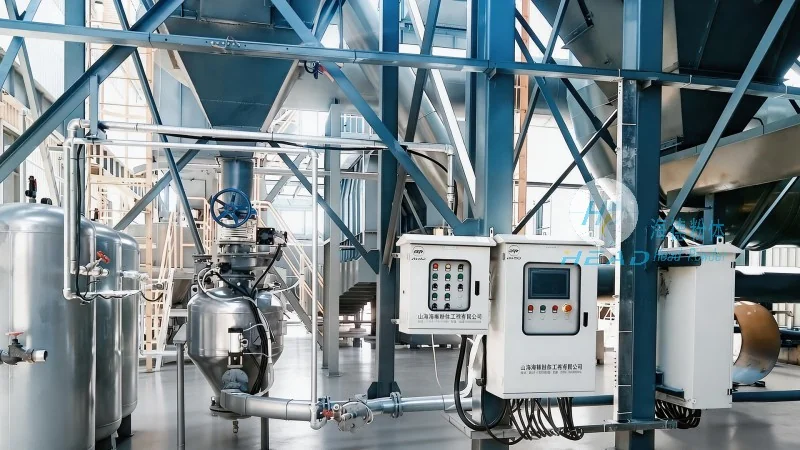
The Core Principle of Pneumatic Conveying for Protein Powder
The principle of pneumatic conveying for protein powders involves the use of air or gas to transport bulk materials through a pipeline system. Unlike traditional mechanical conveying methods, which rely on belts, screws, or buckets, pneumatic systems utilize pressure differentials to move the material. In a typical setup, a protein powder is introduced into a hopper, where it is then drawn into a pipeline by a vacuum or pressure source. The air flow carries the powder particles through the system, delivering them to the desired destination. This method minimizes product contamination, reduces the risk of dust exposure, and allows for precise control over the flow rate and pressure.
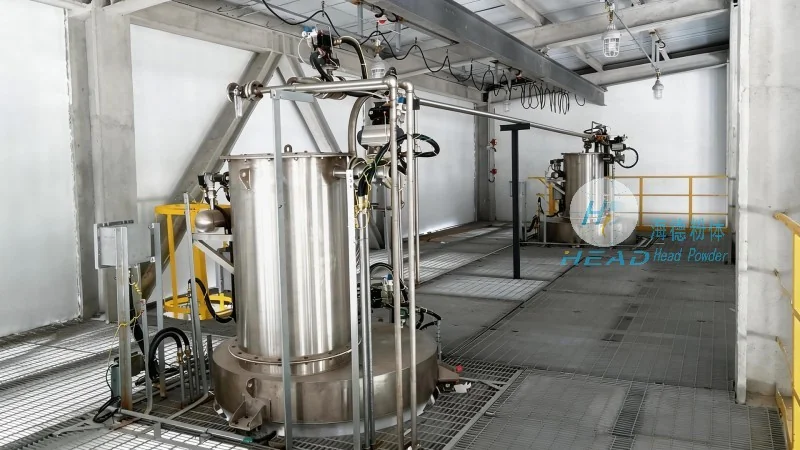
Key Working Scene Characteristics
The working scene characteristics of protein powder pneumatic conveying machines are tailored to the specific demands of the food and beverage industry. These systems are commonly employed in scenarios where hygiene, cleanliness, and product purity are paramount. For instance, in large-scale protein powder production facilities, these machines are used to transport raw materials from storage silos to processing lines, or to move finished products from production areas to packaging stations. The compact design of the equipment makes it suitable for installation in confined spaces, such as within processing plants or warehouse environments. Additionally, the systems are designed to operate with minimal noise and vibration, ensuring a safe and comfortable working environment for personnel.
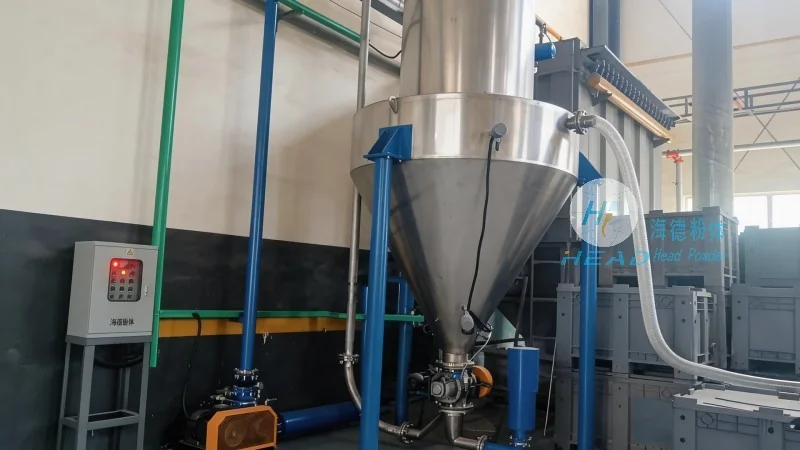
Technical Advantages and Application Scenarios
The technical advantages of protein powder pneumatic conveying machines include high efficiency in material transport, reduced labor costs due to automated operation, and enhanced product quality through minimized handling. These systems are particularly effective in applications where the protein powder is sensitive to moisture or temperature changes, as the enclosed pipeline system protects the material from environmental factors. The flexibility of pneumatic conveying allows for easy integration with existing production lines, enabling seamless workflow between different stages of the protein powder processing cycle. Furthermore, the ability to adjust the air pressure and flow rate provides operators with precise control over the conveying process, ensuring optimal performance under varying production conditions.
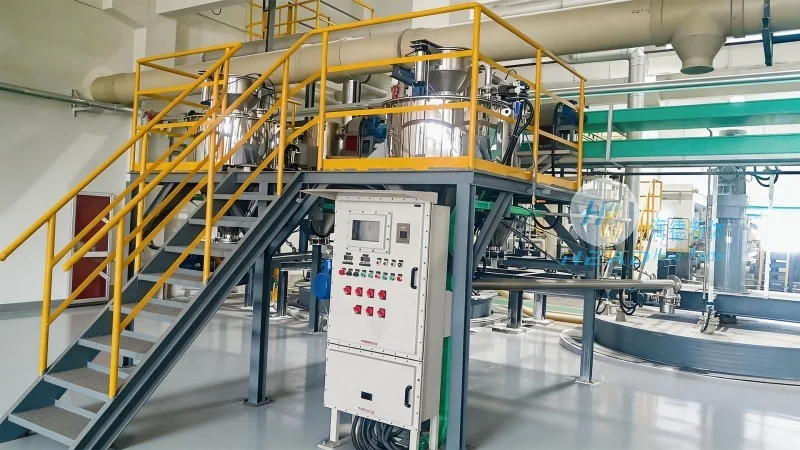
Shandong HeadPowder Engineering Co., Ltd., a leading manufacturer of protein powder processing equipment, specializes in designing and manufacturing high-quality pneumatic conveying systems tailored to the needs of the food industry. With a focus on innovation and customer satisfaction, the company provides comprehensive solutions that enhance operational efficiency and product safety. Based in Shandong, China, HeadPowder Engineering leverages advanced technology and rigorous quality control to deliver reliable and durable equipment for protein powder handling.