

Principle and Working Scene Characteristics of Air-Solid Pneumatic Conveying Line for Wet Sodium Nit
Understanding the air-solid pneumatic conveying line for wet sodium nitrate is crucial for industries dealing with this specific chemical. This technology efficiently handles the transportation of wet sodium nitrate, a material that requires specialized equipment to manage its moisture content and physical properties. The following sections will explore the fundamental principles behind this system and the key characteristics of its operational scenarios.
Principle of Air-Solid Pneumatic Conveying for Wet Sodium Nitrate
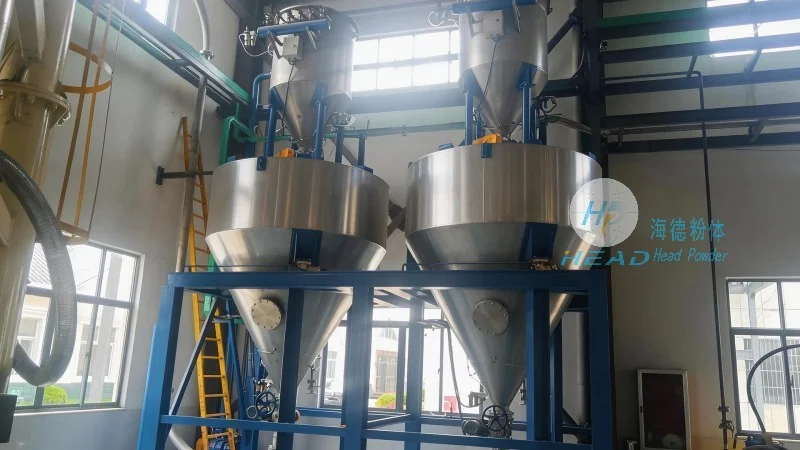
The core principle of the air-solid pneumatic conveying line for wet sodium nitrate relies on the use of compressed air to transport the material through a pipeline. In this system, the wet sodium nitrate is introduced into a hopper or feeder, where it is then drawn into the pipeline by the pressure differential created by the moving air. The air acts as a carrier, suspending the solid particles and moving them from the source to the destination. The design of the conveying line must account for the moisture content of the sodium nitrate, as excess water can affect the flow characteristics and the overall efficiency of the system. Proper air velocity and pressure are critical to ensure that the particles remain suspended and do not settle or cause blockages in the pipeline.
Key Working Scene Characteristics
The operational scenarios for the air-solid pneumatic conveying line of wet sodium nitrate are tailored to meet the specific demands of industrial processes. These systems are commonly employed in chemical manufacturing facilities, where the need to transport wet sodium nitrate from storage to processing units is essential. The characteristics of these working scenes include high throughput requirements, as production lines often require continuous material flow. Additionally, the systems must be designed to handle variations in moisture content, as the material may be processed at different stages with varying water levels. Another important characteristic is the need for precise control over air pressure and flow rates to maintain consistent material transport and prevent system failures.
Application in Industrial Settings
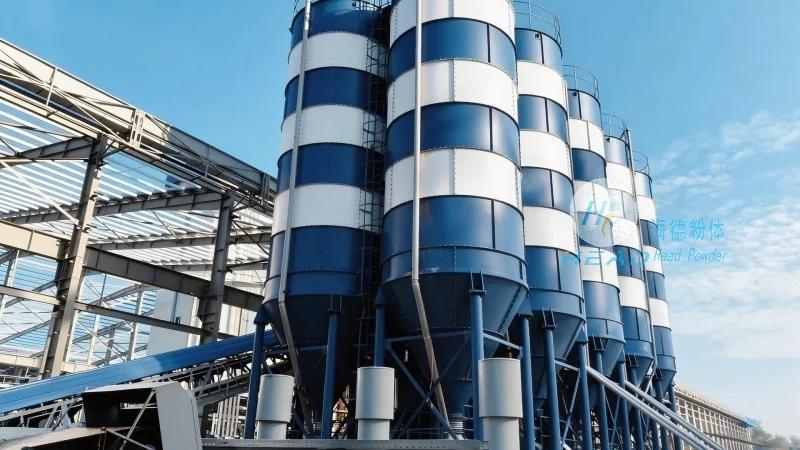
The air-solid pneumatic conveying line for wet sodium nitrate is widely used in various industrial applications, particularly in the chemical and mining sectors. In chemical plants, it facilitates the transfer of wet sodium nitrate from storage silos to reactors or other processing equipment, ensuring a seamless and efficient workflow. The system's ability to handle wet materials without the need for additional drying steps makes it a cost-effective solution for many manufacturers. In mining operations, it may be used to transport wet sodium nitrate from extraction sites to processing facilities, where it is further processed into other chemical products. The versatility of this technology allows it to adapt to different operational environments, making it a reliable choice for industries that require consistent and efficient material handling.
Advantages of the Conveying System
Implementing an air-solid pneumatic conveying line for wet sodium nitrate offers several advantages over traditional methods such as belt conveyors or bucket elevators. One of the primary benefits is the ability to handle wet materials without the need for additional drying equipment, which can significantly reduce operational costs. The system also minimizes material degradation, as the particles are not subjected to mechanical stress or friction that can occur with other conveying methods. Furthermore, the enclosed pipeline design helps to prevent dust emissions and environmental contamination, which is particularly important when dealing with chemicals like sodium nitrate. The flexibility of the system allows for easy integration into existing production lines, and its compact design can save valuable floor space in industrial facilities.
Technical Considerations for Optimal Performance
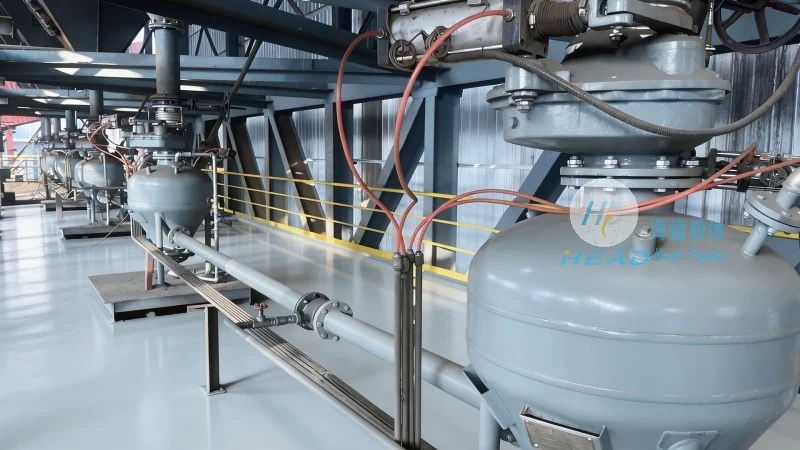
To ensure optimal performance of the air-solid pneumatic conveying line for wet sodium nitrate, several technical considerations must be addressed. The selection of appropriate air velocity is critical, as too low a velocity may cause particle settlement, while too high a velocity can lead to excessive energy consumption and potential system damage. The design of the feeder and hopper must be optimized to prevent material bridging or clogging, especially when dealing with wet materials that have a tendency to stick together. Additionally, the pipeline diameter and length must be carefully calculated to maintain the required pressure and flow rates. Regular maintenance of the system, including cleaning of filters and checking for air leaks, is essential to prevent performance degradation and ensure long-term reliability.
Conclusion
The air-solid pneumatic conveying line for wet sodium nitrate is a sophisticated and efficient solution for transporting this specific chemical in industrial settings. By understanding the underlying principles and operational characteristics, industries can effectively implement this technology to enhance their material handling processes. The system's ability to handle wet materials, minimize costs, and maintain product quality makes it a valuable asset for manufacturers dealing with sodium nitrate. As a leading provider in this field, Shandong HeadPowder Engineering Co., Ltd. offers specialized solutions tailored to meet the unique needs of clients, ensuring reliable and efficient operation of pneumatic conveying systems.