

Comparison of Common Coffee Bean Conveying Methods
Efficient and reliable coffee bean conveying is a critical aspect of the coffee processing industry. Proper handling of coffee beans from the roasting stage to packaging ensures product quality, reduces waste, and optimizes operational efficiency. Various methods are employed for this purpose, each with distinct advantages and applications. This article provides a detailed comparison of common coffee bean conveying methods, highlighting their features, benefits, and suitability for different production environments.
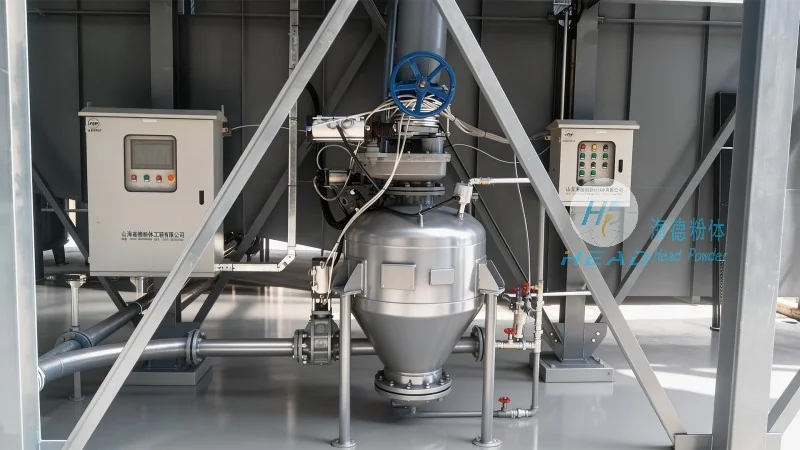
Gravity Conveying Systems
Gravity conveying systems utilize the natural force of gravity to move coffee beans along a sloped path. These systems typically consist of inclined chutes or troughs that allow beans to flow from a higher to a lower elevation without the need for external power. The primary advantage of gravity conveying is its simplicity and low operational cost, making it an ideal choice for facilities with minimal vertical height differences. However, its effectiveness is limited by the need for a suitable incline angle and the risk of bean damage due to friction or impact. HeadPowder Engineering Co., Ltd. offers gravity conveyor solutions tailored to the specific slope requirements of coffee processing plants, ensuring smooth and damage-free movement of roasted beans.
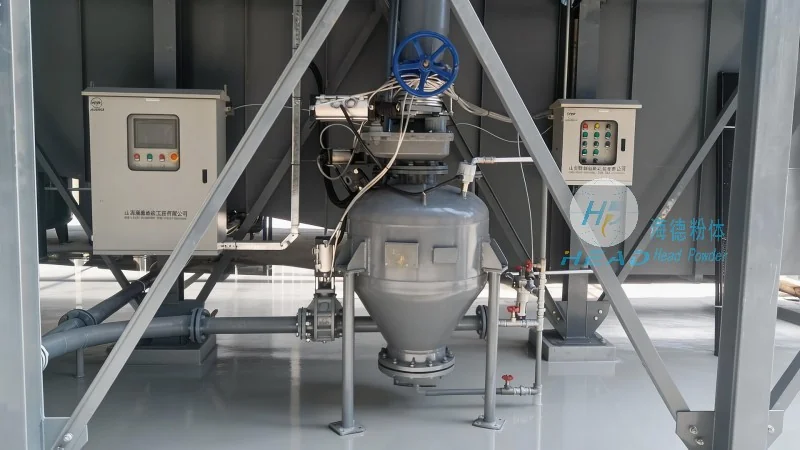
Mechanical Conveying Systems
Mechanical conveying systems employ mechanical components such as belts, chains, or screws to transport coffee beans. These systems are highly versatile and can handle a wide range of bean sizes and moisture levels. Belt conveyors, for instance, are commonly used for horizontal or slightly inclined transport, while screw conveyors (augers) are effective for vertical or inclined movement. Mechanical conveyors offer precise control over speed and direction, enhancing product handling and reducing the risk of contamination. Shandong HeadPowder Engineering Co., Ltd. specializes in custom mechanical conveying equipment, including stainless steel screw conveyors and belt systems, designed to meet the hygiene and durability standards of coffee processing facilities.
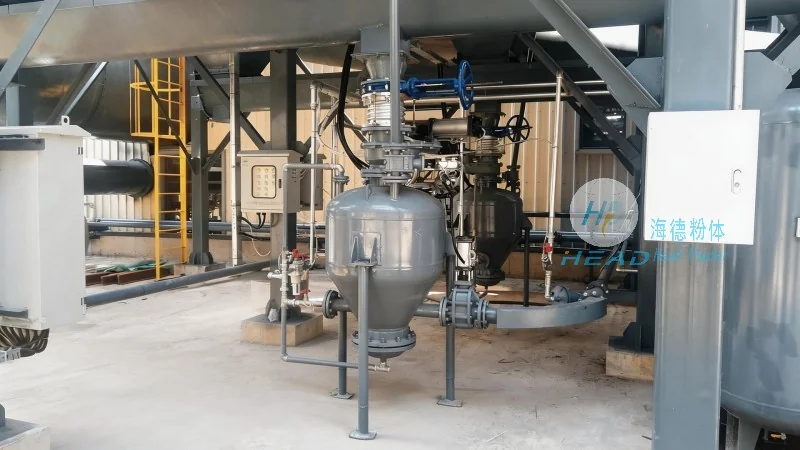
Air Conveying Systems (Pneumatic Conveying)
Air conveying systems use compressed air to transport coffee beans through a network of pipes. This method is particularly suitable for long-distance or vertical transport, as it can move beans efficiently over significant distances with minimal energy consumption. Pneumatic conveyors are ideal for applications requiring dust control and contamination prevention, as the beans are enclosed within the system. However, they may be less effective for very fine or light beans, as these can be carried by the air stream rather than the conveying medium. HeadPowder Engineering Co., Ltd. provides advanced pneumatic conveying solutions, including positive and negative pressure systems, to ensure reliable and consistent transport of coffee beans in various processing stages.
Hybrid Conveying Systems
Hybrid conveying systems combine elements of multiple methods to leverage their respective advantages. For example, a system might use a gravity chute for initial transport and then transition to a mechanical conveyor for further processing. This approach allows for flexibility in handling different bean types and operational requirements. Hybrid systems are often employed in large-scale coffee processing plants where diverse product lines and varying production volumes are common. Shandong HeadPowder Engineering Co., Ltd. develops customized hybrid solutions that integrate gravity, mechanical, and pneumatic components, optimizing overall efficiency and reducing downtime.

Key Considerations for Choosing a Conveying Method
When selecting a coffee bean conveying method, several factors must be considered to ensure optimal performance and alignment with production goals. These include the physical characteristics of the beans (size, shape, moisture content), the required transport distance and elevation changes, the desired level of automation, and the budget constraints. Additionally, hygiene and food safety standards are paramount in the coffee industry, necessitating materials like stainless steel and easy-to-clean designs. HeadPowder Engineering Co., Ltd. assists clients in evaluating these factors and recommending the most suitable conveying system, ensuring long-term reliability and cost-effectiveness.