

Common White Sugar Conveying Methods: A Comparative Analysis
White sugar, a staple in food production and household use, requires efficient and reliable conveying systems to ensure smooth operations from storage to processing. The choice of conveying method significantly impacts productivity, product quality, and operational costs. This article provides a detailed comparison of common white sugar conveying methods, highlighting their features, applications, and advantages.
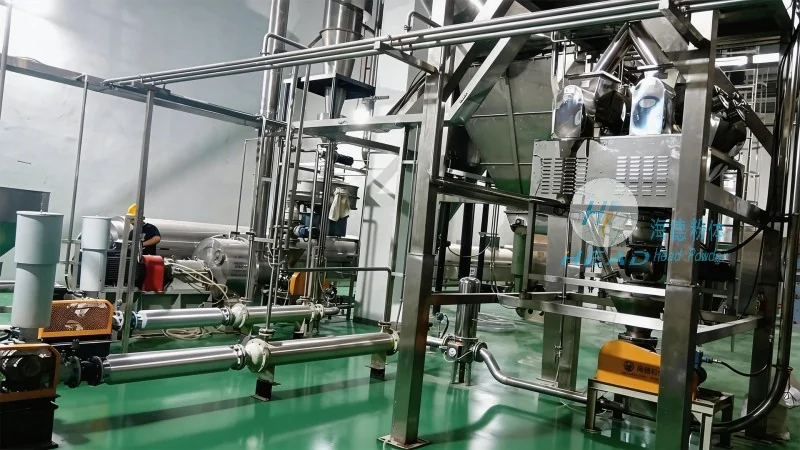
Key Factors in Selecting a Conveying System for White Sugar
Before delving into specific methods, it's essential to consider key factors that influence the selection of a white sugar conveying system. These include the sugar's physical properties (such as moisture content, granule size, and flowability), the required conveying distance and height, the production capacity, and the need for contamination control. Understanding these factors helps in choosing the most suitable method for a particular application.
1. Screw Conveyor (Auger Conveyor)
A screw conveyor, also known as an auger conveyor, is a widely used method for conveying white sugar. It consists of a rotating screw (auger) inside a cylindrical trough. The screw rotates, pushing the sugar forward. This method is particularly effective for horizontal or slight incline conveying. The screw conveyor offers several advantages for white sugar handling:
- Simple design and low maintenance requirements
- Ability to handle a wide range of sugar types and granule sizes
- Effective for both dry and slightly moist sugar, as it minimizes product degradation
- Compact and space-saving, suitable for installations with limited space
However, screw conveyors may experience some drawbacks, such as higher frictional losses and potential for product degradation if the screw speed is too high or the sugar is overly moist. For most white sugar applications, especially in bulk handling and storage, the screw conveyor remains a reliable choice.
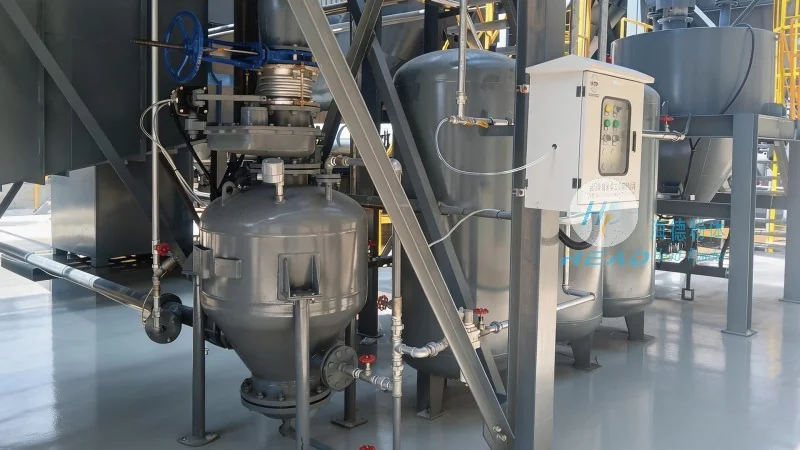
2. Pneumatic Conveying System
Pneumatic conveying, or air-powered conveying, uses compressed air to transport white sugar through a pipeline. This method is ideal for long-distance and vertical conveying, as it can move sugar over significant heights and distances with minimal equipment. There are two main types of pneumatic conveying: pressure and vacuum systems.
Pressure systems use compressed air to push the sugar through the pipeline, while vacuum systems use suction to draw the sugar into the system. Pneumatic conveying offers advantages such as:
- Ability to convey sugar over long distances and at high speeds
- Reduced risk of product contamination due to enclosed pipelines
- Flexibility in system layout, allowing for multiple conveying points
- Lower labor costs compared to manual handling
However, pneumatic conveying may have higher energy consumption and requires careful maintenance of air filtration and pipeline cleaning to prevent sugar buildup and blockages. It is particularly suitable for applications where dust control and product purity are critical.
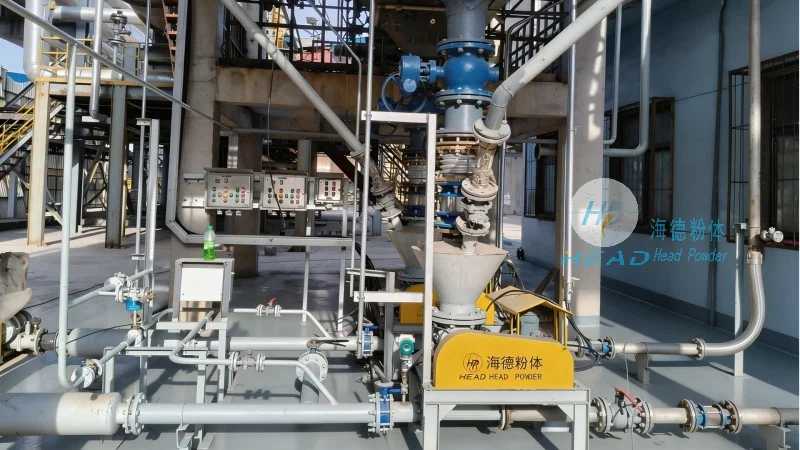
3. Belt Conveyor
A belt conveyor uses a continuous belt to transport white sugar horizontally or at a slight incline. The belt is supported by rollers and moves at a constant speed, carrying the sugar from the loading point to the discharge point. Belt conveyors are commonly used in sugar processing plants for bulk handling and storage.
The belt conveyor offers advantages such as high capacity, low maintenance, and the ability to handle large volumes of sugar. It is particularly effective for horizontal conveying over long distances. However, belt conveyors may have limitations in vertical conveying and require regular inspection to prevent belt wear and tear. They are suitable for applications where the sugar is in bulk form and the conveying distance is relatively short to moderate.
4. Bucket Elevator
A bucket elevator is a vertical or inclined conveyor that uses buckets attached to a chain or belt to lift and transport white sugar. The buckets are filled at the bottom and discharged at the top, making it an efficient method for vertical conveying. This method is particularly useful when the sugar needs to be lifted to a higher level, such as from a storage silo to a processing line.
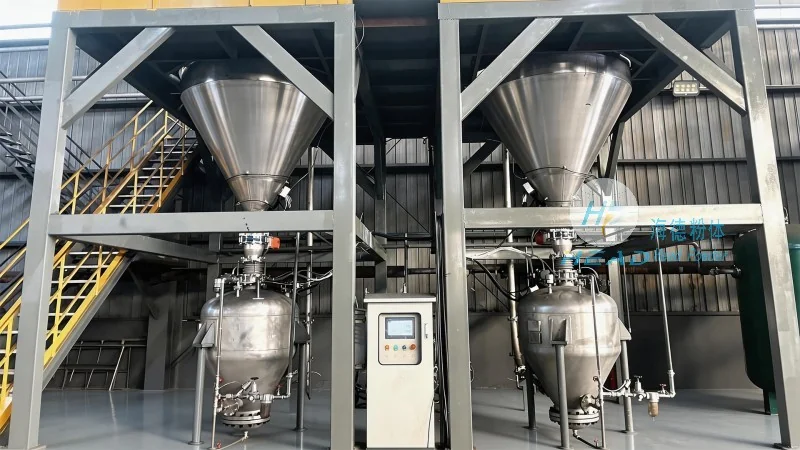
Bucket elevators offer advantages such as high lifting capacity, minimal product spillage, and low energy consumption for vertical movement. They are ideal for applications where vertical space is limited and the sugar needs to be elevated. However, bucket elevators may have higher initial costs and require regular maintenance of the buckets and drive system. They are suitable for applications where vertical conveying is necessary and the sugar is in a free-flowing state.
Conclusion: Choosing the Right Conveying Method for White Sugar
Each conveying method for white sugar has its own advantages and limitations. The choice of method depends on the specific requirements of the application, including the sugar's properties, conveying distance, and operational needs. For horizontal conveying over short to moderate distances, a screw conveyor or belt conveyor may be suitable. For long-distance or vertical conveying, pneumatic conveying or a bucket elevator may be more appropriate. It is crucial to consider factors such as product quality, energy efficiency, and maintenance requirements when selecting a conveying system.
Shandong HeadPowder Engineering Co., Ltd., a leading provider of industrial conveying solutions, offers a range of customized conveying systems tailored to the needs of white sugar handling. With years of experience in the industry, HeadPowder specializes in designing and manufacturing efficient, reliable, and cost-effective conveying equipment for various applications. Whether you need a screw conveyor, pneumatic system, or belt conveyor, HeadPowder can provide the right solution to meet your white sugar conveying needs.