

Principles and Application Scenarios of Multi-functional Pneumatic Conveying Systems
HeadPowder, a leading engineering company based in Shandong, China, specializes in the design, manufacturing, and installation of advanced pneumatic conveying systems. This article explores the fundamental principles behind multi-functional pneumatic conveying lines and highlights key application scenarios where these systems excel in material handling and process integration.
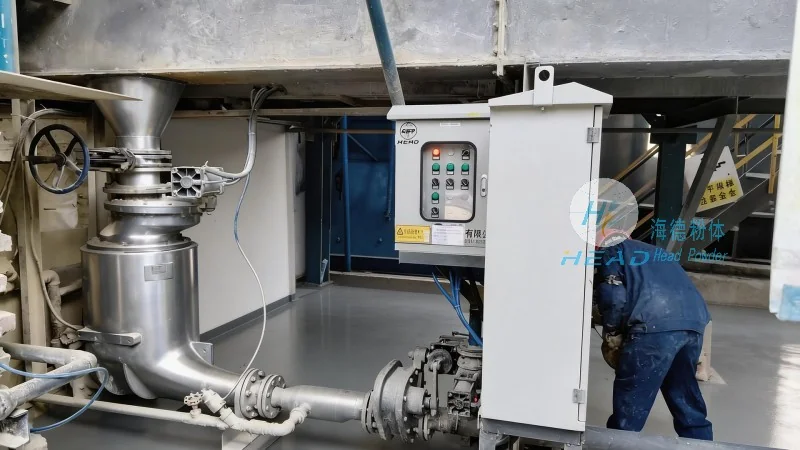
Understanding the Core Principles of Pneumatic Conveying Systems
Pneumatic conveying systems utilize compressed air or other gases to transport bulk materials from one location to another. The core principle revolves around creating a pressure differential that propels material particles through a pipeline. There are two primary categories of pneumatic conveying: pressure and vacuum systems. Pressure systems operate by forcing air and material through the line under positive pressure, while vacuum systems use suction to draw material into the pipeline. Multi-functional systems often combine both pressure and vacuum capabilities, allowing for flexible material handling across various industrial applications.
The efficiency of a pneumatic conveying system depends on several critical factors, including the type of material being conveyed (e.g., powders, granules, or bulk solids), the system's pressure rating, and the pipeline configuration. Key components include the material feed hopper, air compressor or vacuum pump, conveying pipeline, and discharge equipment. The feed hopper ensures consistent material supply, while the compressor or pump generates the necessary air flow. The pipeline's design, including bends, expansions, and filters, is crucial for maintaining material flow and preventing blockages. Discharge equipment, such as rotary valves or cyclones, separates the conveyed material from the air stream, completing the process.
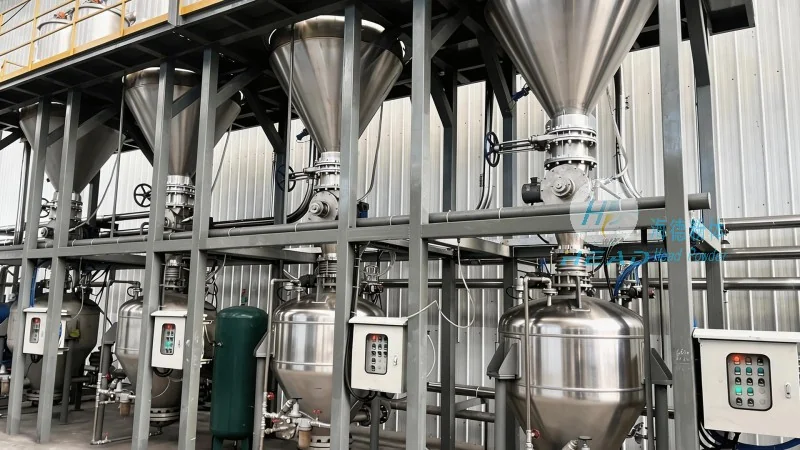
Key Application Scenarios for Multi-functional Pneumatic Conveying Lines
Multi-functional pneumatic conveying systems are widely adopted across diverse industries due to their versatility and ability to handle a broad range of materials. One prominent application is in the pharmaceutical and food processing sectors, where systems must meet stringent hygiene and contamination control standards. These systems often feature stainless steel construction, closed-loop designs, and advanced filtration to ensure product purity. For example, in a pharmaceutical plant, a multi-functional pneumatic conveying line might transport raw powders from storage silos to mixing equipment, while simultaneously handling finished products for packaging.
In the chemical industry, these systems are essential for transporting reactive or hazardous materials safely. The ability to control pressure and flow rates minimizes the risk of material degradation or accidents. A typical scenario involves conveying bulk chemicals from production reactors to storage tanks or processing units. The system's flexibility allows for integration with other process equipment, such as reactors, reactors, and reactors, ensuring seamless material transfer. Additionally, the system's ability to handle different particle sizes and densities makes it suitable for various chemical applications, from fine powders to coarse granules.
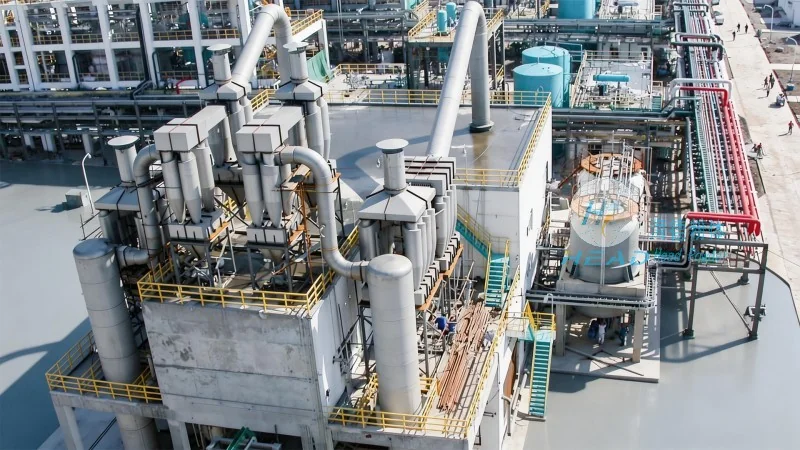
The agricultural and food processing industries also benefit significantly from multi-functional pneumatic conveying systems. These systems are commonly used to transport grains, seeds, and other agricultural products from storage facilities to processing plants or packaging lines. The systems' ability to handle high volumes and maintain material integrity is critical in food processing, where contamination and product loss must be minimized. For instance, in a grain processing facility, a pneumatic conveying line might transport wheat from silos to a milling machine, while simultaneously conveying flour to packaging equipment. The system's multi-functional design allows for the handling of different product types, such as wheat, corn, or soybeans, without requiring significant modifications.
In the mining and minerals sector, pneumatic conveying systems are used to transport raw materials from mining sites to processing plants. The systems' ability to handle abrasive and heavy materials, such as ores and coal, makes them ideal for industrial applications. The pressure and vacuum capabilities of multi-functional systems allow for efficient material transport over long distances, reducing the need for traditional belt conveyors or trucks. This not only improves operational efficiency but also minimizes environmental impact by reducing dust and noise pollution. A typical scenario involves conveying crushed ore from a mine to a processing plant, where the material is further refined into usable products.
Advantages of Multi-functional Pneumatic Conveying Systems
Multi-functional pneumatic conveying systems offer several advantages over traditional material handling methods. One of the primary benefits is their ability to handle a wide variety of materials, including fine powders, granules, and bulk solids. This versatility makes them suitable for diverse industrial applications, reducing the need for multiple handling systems. Additionally, these systems are compact and can be installed in confined spaces, making them ideal for facilities with limited floor space. The closed-loop design of many multi-functional systems minimizes material loss and environmental contamination, which is particularly important in industries like food and pharmaceuticals.
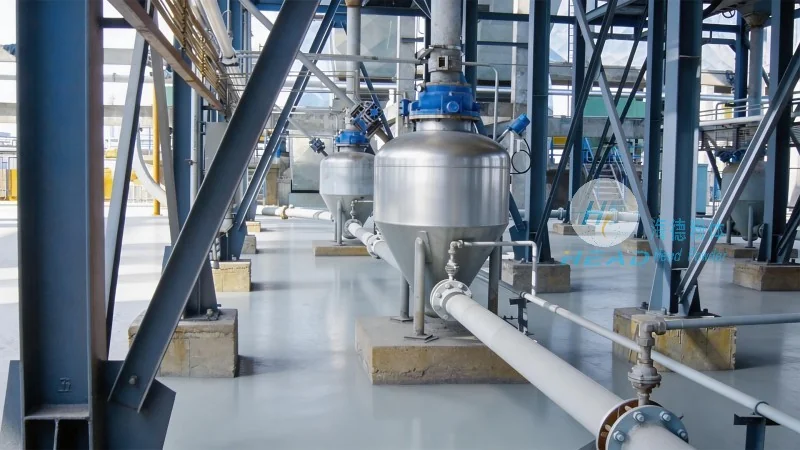
Another key advantage is the system's ability to integrate with other process equipment. Multi-functional pneumatic conveying lines can be connected to feeders, mixers, and packaging machines, creating a seamless material handling process. This integration improves overall operational efficiency and reduces downtime. Furthermore, the systems are relatively low maintenance compared to traditional belt conveyors, as they have fewer moving parts and require less frequent cleaning. The use of advanced materials and design in modern multi-functional systems enhances durability and longevity, reducing long-term operational costs.
Conclusion and Company Overview
Multi-functional pneumatic conveying systems are essential tools for modern industrial operations, offering efficient, flexible, and reliable material handling solutions. HeadPowder, with its headquarters in Shandong, China, is a trusted provider of these advanced systems, leveraging years of expertise to deliver customized solutions tailored to specific industry needs. By understanding the core principles and application scenarios of these systems, businesses can optimize their material handling processes, improve productivity, and ensure compliance with industry standards. The company's commitment to quality, innovation, and customer satisfaction makes it a leading choice for organizations seeking to enhance their operational efficiency through advanced pneumatic conveying technology.