

Principle and Working Scene Characteristics of Organic Fertilizer Granule Pneumatic Conveying
Organic fertilizer granule pneumatic conveying systems are advanced industrial solutions designed to efficiently transport organic fertilizer granules from storage to processing or application points. These systems leverage the principles of pneumatic transport, utilizing air as the medium to move granular materials through a network of pipes and equipment. The technology is particularly suited for organic fertilizer, which often requires gentle handling to preserve its quality and nutrient content.
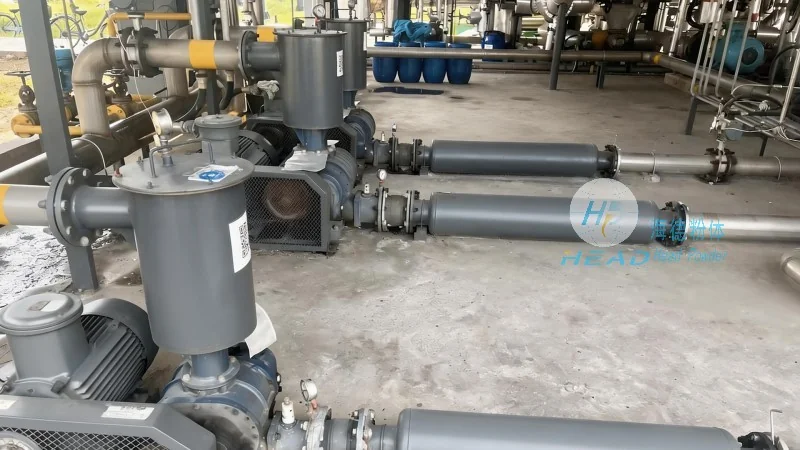
Principle of Pneumatic Conveying for Organic Fertilizer Granules
The core principle of pneumatic conveying involves creating a pressure differential or using vacuum to move granules along a pipeline. In positive pressure systems, a fan or blower generates high-pressure air that propels the granules forward. Negative pressure systems, on the other hand, use a vacuum to draw materials into the pipeline. For organic fertilizer granules, the choice of system depends on factors such as material characteristics, distance, and required flow rate. The system typically includes a hopper for material storage, a feeder to control the flow rate, a conveying line, and a receiver for the discharged material. The design ensures minimal product degradation, as the granules are conveyed without direct contact with mechanical components, reducing the risk of breakage or contamination.
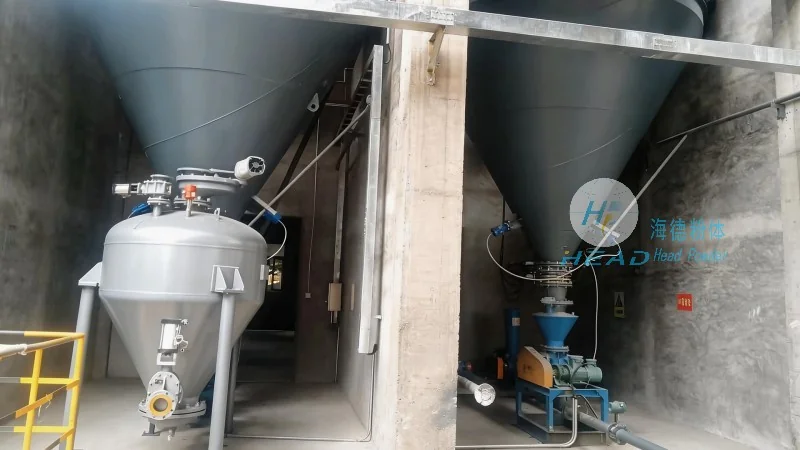
Working Scene Characteristics of Organic Fertilizer Granule Pneumatic Conveying
The working scene characteristics of these systems are tailored to the specific needs of organic fertilizer production and handling. For instance, in large-scale fertilizer manufacturing plants, the system may need to handle high volumes of granules over long distances, requiring robust and high-capacity equipment. The design considerations include the size and shape of the granules, which can affect the air velocity and pressure required for efficient transport. Additionally, the system must be compatible with the organic nature of the fertilizer, ensuring that no chemical reactions occur between the material and the conveying components. The working environment may involve dust control measures, as organic fertilizers can generate fine particles during handling. The system's flexibility allows for integration with other processing equipment, such as mixers or packaging machines, enabling a seamless flow from production to distribution.
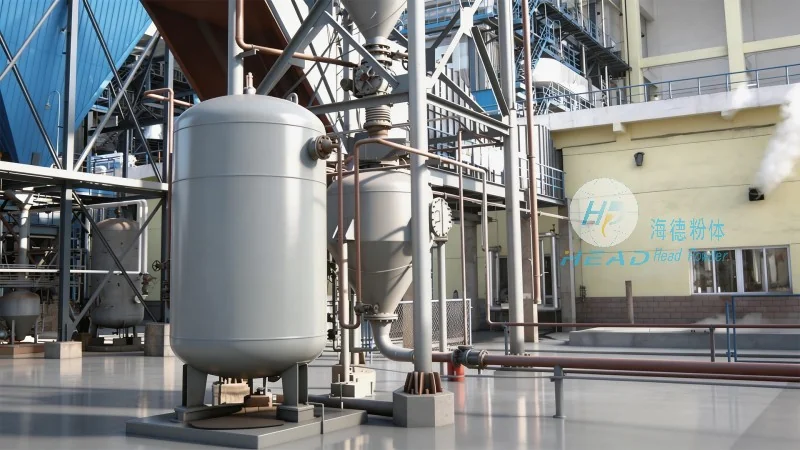
Key Features and Advantages of the Systems
Organic fertilizer granule pneumatic conveying systems offer several key advantages that make them ideal for modern fertilizer operations. These include high efficiency in material transport, as the systems can handle large quantities with minimal labor. The technology also provides a clean and hygienic method of handling organic materials, reducing the risk of cross-contamination. Furthermore, the systems are energy-efficient compared to traditional mechanical conveying methods, such as belt conveyors, as they use air to move the material rather than physical contact. The compact design of the equipment allows for space-saving installations, which is particularly beneficial in facilities with limited floor space. The systems also offer flexibility in terms of layout, as the conveying lines can be easily reconfigured to accommodate changes in production processes or facility expansions.
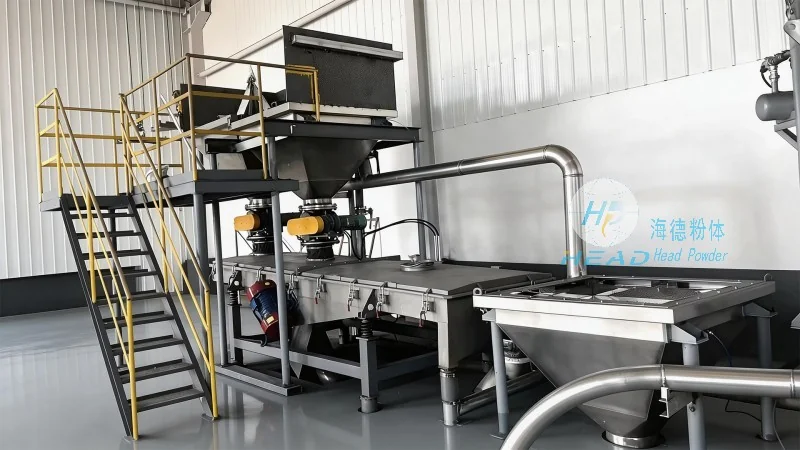
Application Scenarios and Operational Considerations
The application scenarios for organic fertilizer granule pneumatic conveying systems vary based on the scale and type of fertilizer production. In small-scale farms or local processing facilities, the system may be used for transporting granules from storage to application equipment, such as spreaders. For medium to large-scale industrial operations, the system is commonly used in the production line, from raw material mixing to final packaging. Operational considerations include maintaining proper air pressure and flow rates to ensure consistent material transport. Regular maintenance of the system components, such as the fan, feeder, and pipeline, is essential to prevent downtime and ensure long-term reliability. The system's performance is also influenced by environmental factors, such as temperature and humidity, which can affect the air density and material handling characteristics. Proper monitoring and control systems are implemented to optimize the conveying process and minimize energy consumption.