

Comparison of Common PUR Conveying Methods
When it comes to processing polyurethane (PUR) materials in industrial applications, selecting the right conveying method is crucial for efficiency, material integrity, and operational safety. Shandong HeadPowder Engineering Co., Ltd., a leading manufacturer based in China, specializes in providing high-quality solutions for material handling, including various PUR conveying systems. This article provides a detailed comparison of common PUR conveying methods, highlighting their advantages, limitations, and suitable applications.
Understanding PUR Conveying Fundamentals
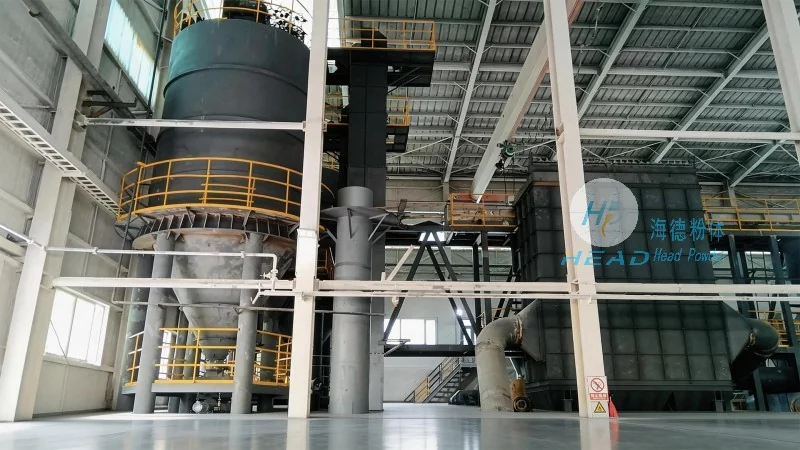
Polyurethane (PUR) is a versatile polymer widely used in manufacturing processes due to its excellent abrasion resistance, flexibility, and chemical stability. Conveying PUR materials efficiently requires methods that maintain material quality while ensuring smooth operation. The primary goal of PUR conveying is to transport granules or powders from a storage hopper to a processing unit, such as a mixer or extruder, without causing degradation or contamination. Shandong HeadPowder Engineering Co., Ltd. has extensive experience in designing and manufacturing conveying systems tailored to the unique properties of PUR materials.
Common PUR Conveying Methods: A Comparative Analysis
Several methods are commonly employed for PUR material handling, each with distinct characteristics that influence their suitability for different industrial settings. The key methods include positive pressure (blow) conveying, negative pressure (suction) conveying, and mechanical conveying systems. Below is a detailed comparison of these approaches, focusing on their operational principles, performance, and practical considerations.
1. Positive Pressure (Blow) Conveying
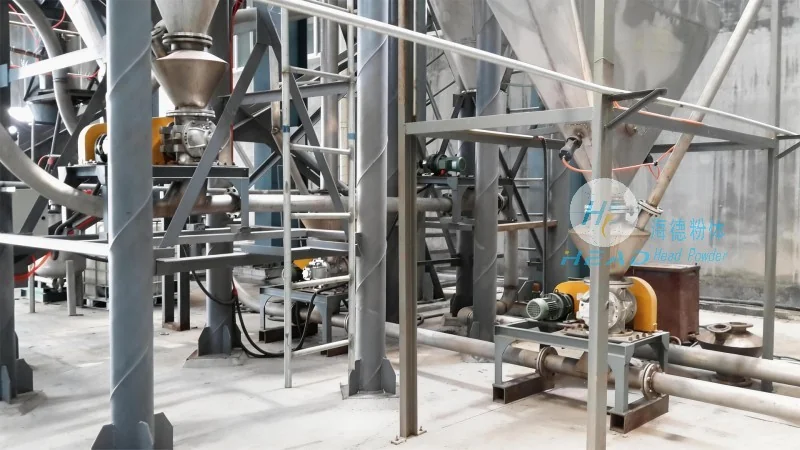
Positive pressure conveying, also known as blow or pressure conveying, is a widely used method for transporting PUR materials. In this system, air or gas is forced under pressure into a hopper or container, creating a positive pressure environment that pushes the material through a pipeline to the processing unit. The primary advantage of this method is its ability to handle a wide range of material sizes and densities, including fine powders and granules. Shandong HeadPowder Engineering Co., Ltd. designs blow conveying systems with robust components, such as high-efficiency blowers and durable pipelines, to ensure reliable operation for PUR materials. This method is particularly effective for applications requiring high material throughput and minimal downtime.
2. Negative Pressure (Suction) Conveying
Negative pressure conveying, or suction conveying, operates by creating a vacuum in the conveying line to draw PUR material from a hopper to the processing equipment. This method is often preferred for applications where material dust control is critical, as the system captures and contains airborne particles. The suction process is typically more gentle on the material, reducing the risk of degradation compared to positive pressure systems. Shandong HeadPowder Engineering Co., Ltd. offers suction conveying solutions with advanced filtration and dust collection systems, ensuring compliance with environmental regulations. While effective for handling fine powders, suction conveying may have limitations in terms of material throughput and suitability for abrasive or heavy materials.
3. Mechanical Conveying Systems
Mechanical conveying systems, such as screw conveyors, belt conveyors, and bucket elevators, utilize mechanical force to transport PUR materials. These systems are generally more suitable for bulkier or larger PUR components rather than fine powders. Screw conveyors, for example, use rotating screws to move material along a tube, making them ideal for horizontal or slight incline applications. Belt conveyors are effective for transporting larger granules or pellets over longer distances. Shandong HeadPowder Engineering Co., Ltd. provides customized mechanical conveying solutions that integrate with existing processing lines, ensuring seamless material flow. Mechanical systems are often chosen for their simplicity and low maintenance requirements, though they may not be as efficient for fine powder handling as pneumatic systems.
Key Factors to Consider When Choosing a PUR Conveying Method
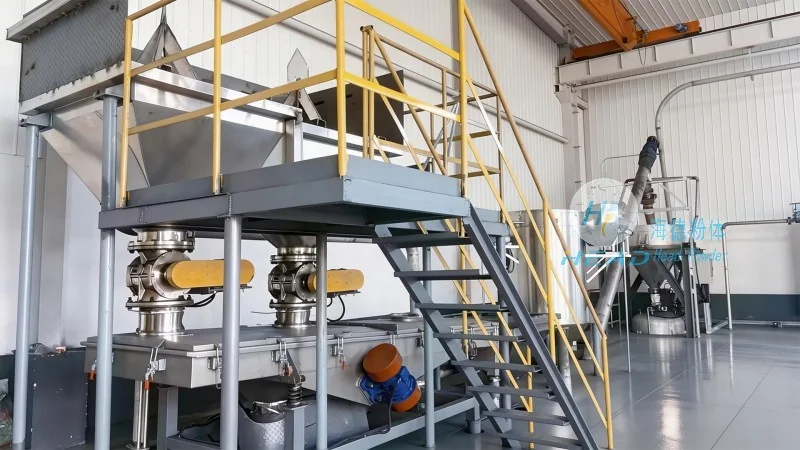
When selecting a PUR conveying method, several factors must be considered to ensure optimal performance and cost-effectiveness. These include the material's physical properties (e.g., particle size, density, and abrasiveness), the required throughput, the distance between the storage and processing units, and environmental regulations. Shandong HeadPowder Engineering Co., Ltd. advises clients to conduct a thorough analysis of these factors before deciding on a conveying system. For instance, if the PUR material is highly abrasive, positive pressure systems with reinforced pipelines may be necessary to prevent wear and tear. Conversely, if dust control is a priority, negative pressure conveying might be the better choice.
Advantages and Limitations of Each Method
Each PUR conveying method has distinct advantages and limitations that influence its applicability. Positive pressure conveying offers high throughput and flexibility but may generate more dust and require more energy. Negative pressure systems excel in dust control and gentleness on material but may have lower throughput and higher maintenance for filters. Mechanical systems provide simplicity and low energy consumption but are less effective for fine powders. Shandong HeadPowder Engineering Co., Ltd. emphasizes the importance of matching the conveying method to the specific requirements of the application to achieve the best results. By understanding these trade-offs, manufacturers can select the most suitable PUR conveying solution for their operations.
Conclusion
Choosing the right PUR conveying method is a critical decision for industrial manufacturers, as it directly impacts production efficiency, material quality, and operational costs. Shandong HeadPowder Engineering Co., Ltd., with its expertise in material handling solutions, offers comprehensive PUR conveying systems tailored to the unique needs of each client. Whether opting for positive pressure, negative pressure, or mechanical conveying, the company ensures that the selected system meets the highest standards of performance and reliability. By leveraging advanced technology and customized design, Shandong HeadPowder Engineering Co., Ltd. helps industries optimize their PUR processing workflows and achieve superior results in their manufacturing operations.