

[LITHIUM-ION BATTERY CATHODE MATERIAL HANDLING METHODS: OPTIONS FOR MATERIAL TRANSPORT]
For the efficient and safe handling of lithium-ion battery cathode materials, various transport methods are employed in the manufacturing and processing stages. These methods are crucial for ensuring material integrity, minimizing contamination, and optimizing production flow. The choice of transport method depends on factors such as material type, production scale, and the specific requirements of the manufacturing process.
1. Bulk Material Handling Systems
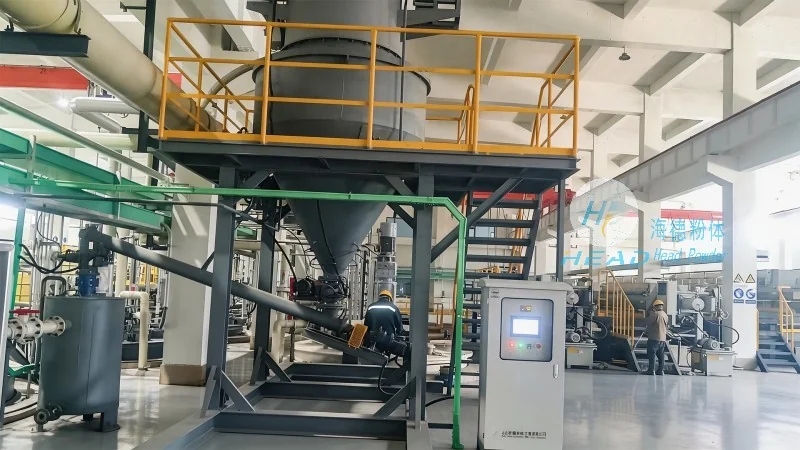
Bulk material handling systems are widely used for the transport of lithium-ion battery cathode materials, especially in large-scale production facilities. These systems typically involve the use of conveyor belts, bucket elevators, and pneumatic conveying lines. Conveyor belts are effective for transporting dry powders over short to medium distances, while bucket elevators can handle materials vertically, often with high efficiency and minimal dust generation. Pneumatic conveying systems, on the other hand, use air to move materials through pipelines, which is particularly useful for transporting fine powders over longer distances without the need for direct contact with mechanical components.
2. Vacuum and Pressure Conveying Technologies
Vacuum and pressure conveying technologies offer advanced solutions for the transport of sensitive cathode materials. Vacuum conveying systems create a negative pressure environment to draw materials into a collection hopper or transport line, which is ideal for handling materials that are prone to static charge or require low contamination levels. Pressure conveying systems, conversely, use positive pressure to push materials through the system, often with higher flow rates and better control over material velocity. Both methods are designed to maintain material quality and prevent agglomeration, which is critical for maintaining the performance characteristics of the cathode materials.
3. Automated Guided Vehicle (AGV) Systems
Automated guided vehicle systems provide a flexible and scalable solution for transporting cathode materials within a manufacturing facility. AGVs are equipped with sensors and navigation systems that allow them to move materials from one processing station to another without human intervention. This method is particularly advantageous in environments where material handling needs to be adjusted frequently or where the production layout changes over time. The use of AGVs can also reduce labor costs and improve safety by minimizing the need for manual material transport, which is especially important when handling powders that may pose health risks.
4. Bulk Bag and Container Handling
Bulk bag and container handling methods are commonly used for the initial and final stages of cathode material transport. Bulk bags, also known as super sacks, are used to store and transport large quantities of materials from suppliers to the manufacturing plant. These bags are designed to be easily emptied into processing equipment, such as mixers or conveyors, using specialized discharge systems. Containers, such as tote bins or IBC tanks, are also used for transporting materials, often with integrated handling features like forklift pockets or pallet bases. These methods ensure that materials are transported in a contained manner, reducing the risk of spillage and contamination during transit.
5. Specialized Equipment for Fine Powders
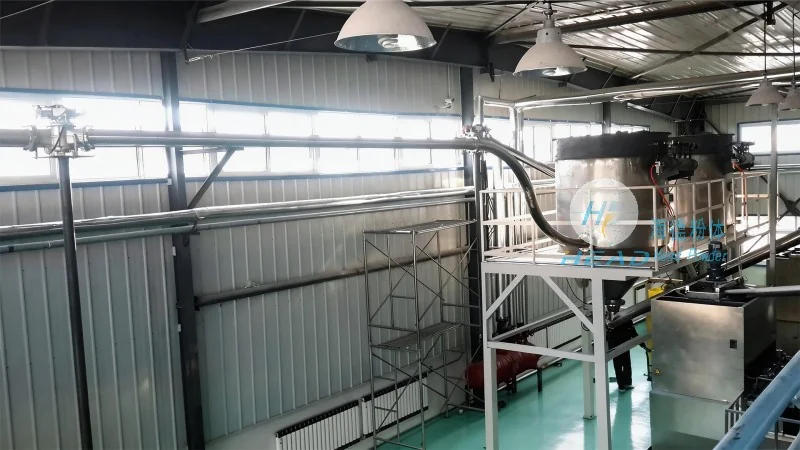
For the transport of fine lithium-ion battery cathode powders, specialized equipment is often required to maintain material quality and prevent particle degradation. Equipment such as screw conveyors and vibratory feeders are used to move materials gently and without excessive friction, which helps to preserve the particle size distribution and surface properties of the cathode materials. These systems are often integrated with dust collection and filtration systems to ensure that the material remains clean and free from contaminants throughout the transport process. The use of such specialized equipment is critical for maintaining the performance and stability of the cathode materials, which are essential for the overall efficiency of lithium-ion batteries.
6. Integration with Production Lines
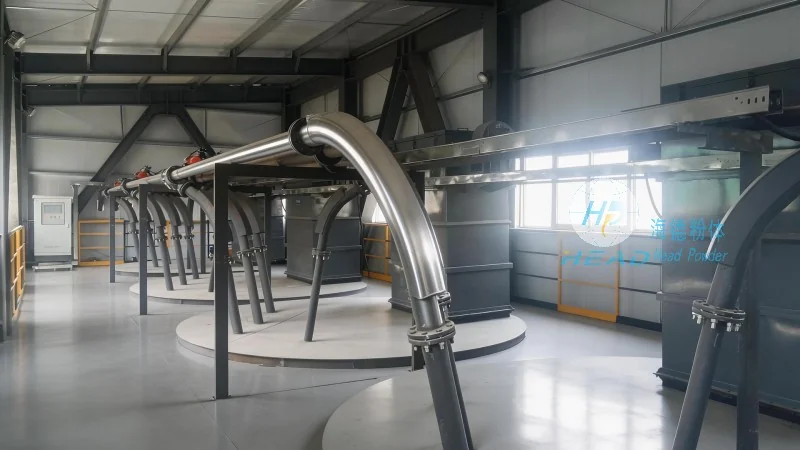
The effectiveness of cathode material transport methods is highly dependent on their integration with the overall production line. Modern manufacturing facilities often use a combination of the above methods to create a seamless flow of materials from raw material storage to final processing. For example, bulk bags may be unloaded into a pneumatic conveying system, which then feeds a conveyor belt that transports the material to a mixing station. This integrated approach ensures that each step of the process is optimized for efficiency and material quality. The use of automated control systems and real-time monitoring also allows for adjustments to be made quickly in response to changes in material flow or production demands.
7. Safety and Environmental Considerations
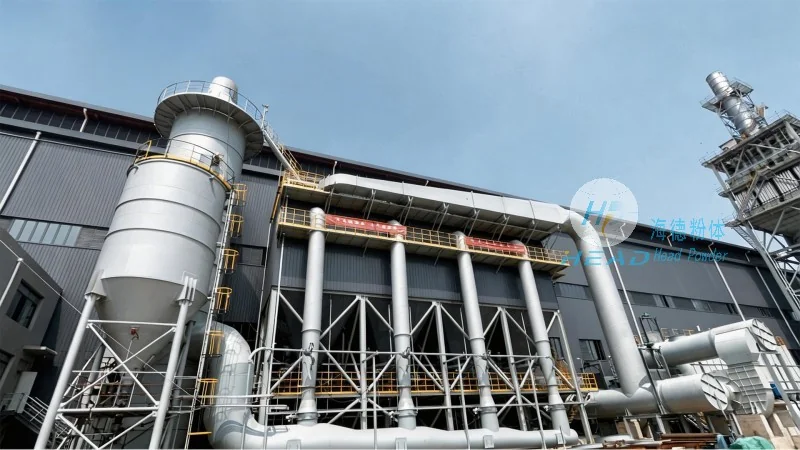
When selecting a transport method for lithium-ion battery cathode materials, safety and environmental considerations are paramount. Cathode materials can be hazardous, and their transport must be conducted in a manner that minimizes exposure to workers and the environment. Dust control systems, such as baghouses and cyclones, are essential for preventing the release of fine powders into the air. Additionally, the use of explosion-proof equipment and proper ventilation systems is necessary to mitigate the risks associated with handling flammable or reactive materials. By prioritizing safety and environmental protection, manufacturers can ensure that their transport processes are not only efficient but also responsible and sustainable.