

Working Principle and Features of Compound Fertilizer Material Pneumatic Conveying Equipment
Compound fertilizer material pneumatic conveying equipment is a specialized system designed to transport bulk solid materials, such as compound fertilizers, through a pipeline using air pressure. This technology offers an efficient and reliable solution for handling and transporting fertilizer materials in industrial settings. The equipment is widely used in the fertilizer manufacturing and processing industries due to its ability to handle various types of granular or powdered materials with minimal product degradation.
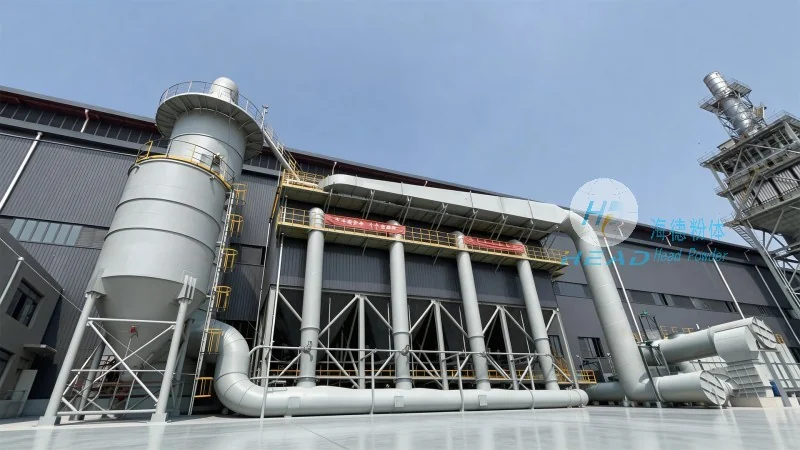
Working Principle of Pneumatic Conveying Equipment
The core working principle of pneumatic conveying equipment involves the use of compressed air to move material through a sealed pipeline system. The process typically starts with the material being fed into a hopper or feeder, where it is then drawn into the conveying line by the air flow. The air, often supplied by a blower or compressor, creates a pressure differential that propels the material forward. There are two main types of pneumatic conveying systems: dilute-phase and dense-phase. Dilute-phase systems use high-velocity air to transport material in a dispersed state, while dense-phase systems use lower velocities and higher air-to-material ratios to move material in a more concentrated form.
In the context of compound fertilizer materials, the equipment must be designed to handle potentially abrasive or corrosive substances. The system includes components such as a feeder, a blower, a pipeline network, and a receiver or discharge unit. The feeder ensures a consistent flow of material into the system, while the blower provides the necessary air pressure. The pipeline network is typically made of corrosion-resistant materials like stainless steel or PVC to prevent material degradation and equipment wear. The receiver collects the conveyed material and may include a dust collection system to ensure environmental compliance.
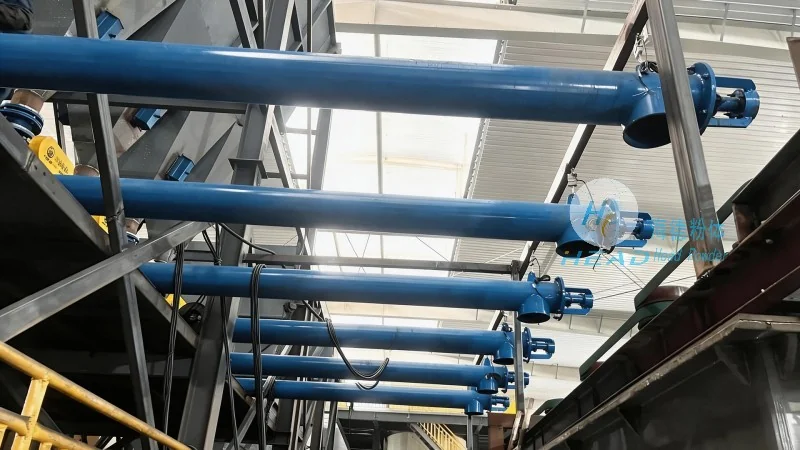
Key Features of Compound Fertilizer Pneumatic Conveying Equipment
Several key features make this equipment suitable for compound fertilizer applications. First, it offers high efficiency in material transport, reducing labor costs and increasing production throughput. The system can handle large volumes of material over long distances with minimal energy consumption compared to traditional methods like belt conveyors or trucks. Second, it provides excellent material handling flexibility, allowing for vertical, horizontal, or inclined transport without the need for complex mechanical components. This adaptability is crucial for optimizing plant layouts and improving operational efficiency.
Another important feature is the ability to maintain product quality and integrity. Pneumatic conveying systems operate in a sealed environment, preventing exposure to moisture, dust, or contaminants that could affect the fertilizer's quality. This is particularly critical for compound fertilizers, which may include sensitive components like nitrogen or phosphorus that are susceptible to degradation. The equipment also minimizes product breakage and segregation, ensuring consistent product quality throughout the conveying process.
Furthermore, the system offers enhanced safety and operational reliability. By eliminating the need for manual handling of bulk materials, it reduces the risk of workplace accidents and exposure to hazardous substances. The sealed pipeline design also helps in controlling dust emissions, complying with environmental regulations and improving workplace safety. The equipment is equipped with monitoring and control systems that allow for real-time operation adjustments, ensuring stable and efficient performance.
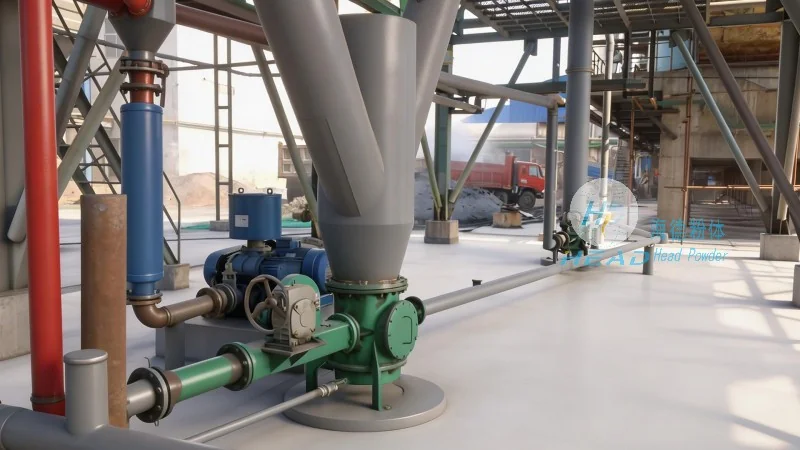
Application and Benefits in Fertilizer Industry
Compound fertilizer material pneumatic conveying equipment is widely applied in various stages of fertilizer production and processing. It is commonly used for transporting raw materials like urea, ammonium nitrate, and phosphate rock from storage silos to processing units. The system can also be used to move finished compound fertilizers from production lines to packaging or storage facilities. The benefits of using this equipment in the fertilizer industry include improved production efficiency, reduced operational costs, and enhanced product quality. By streamlining the material handling process, the equipment helps manufacturers meet high production demands while maintaining strict quality standards.
In summary, the working principle and features of compound fertilizer material pneumatic conveying equipment make it an essential component in modern fertilizer production. The technology's ability to handle bulk materials efficiently, maintain product quality, and ensure operational safety positions it as a preferred choice for fertilizer manufacturers seeking to optimize their operations. With advancements in equipment design and control systems, the efficiency and reliability of pneumatic conveying systems continue to improve, supporting the growing demands of the global fertilizer market.