

What Methods Can Be Used for Activated Carbon Granule Conveying?
When it comes to transporting activated carbon granules, selecting the right conveying method is crucial for ensuring efficiency, safety, and cost-effectiveness in industrial operations. Various techniques are available, each with its own advantages and applications, tailored to different production environments and material characteristics. Shandong HeadPowder Engineering Co., Ltd., a leading provider of bulk material handling solutions, specializes in designing and manufacturing conveying systems for activated carbon and other granular materials. This article explores the primary methods used for activated carbon granule conveying, providing insights into how these systems operate and the factors to consider when choosing the most suitable option for your specific needs.
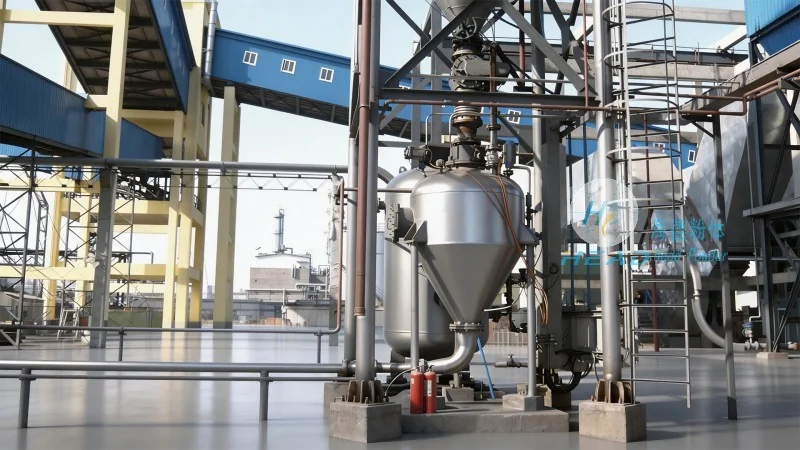
Overview of Activated Carbon Granule Conveying Methods
Activated carbon granules are widely used in industries such as water treatment, air purification, and chemical processing due to their high adsorption capacity. The efficient transport of these granules from storage to processing equipment is essential for maintaining production flow and minimizing downtime. Conveying systems must handle the abrasive nature of activated carbon while ensuring minimal product degradation and preventing dust generation. The following methods are commonly employed for activated carbon granule conveying:
1. Screw Conveyors (Auger Conveyors)
Screw conveyors, also known as auger conveyors, are among the most common and versatile methods for transporting activated carbon granules. These systems consist of a rotating screw (auger) inside a U-shaped or cylindrical housing. As the screw rotates, it pushes the granules forward, similar to how an Archimedes' screw lifts water. Screw conveyors are particularly effective for horizontal or slight incline transport and are suitable for a wide range of granule sizes and moisture content. They are often used in applications where the material needs to be elevated or moved through vertical sections. The smooth operation of screw conveyors minimizes product breakage and reduces the risk of dust generation, making them ideal for handling activated carbon. Additionally, these conveyors can be equipped with variable speed drives to adjust the flow rate based on production demands. The design of screw conveyors allows for easy integration with other processing equipment, such as mixers or reactors, ensuring a seamless workflow in industrial settings.
2. Pneumatic Conveying Systems
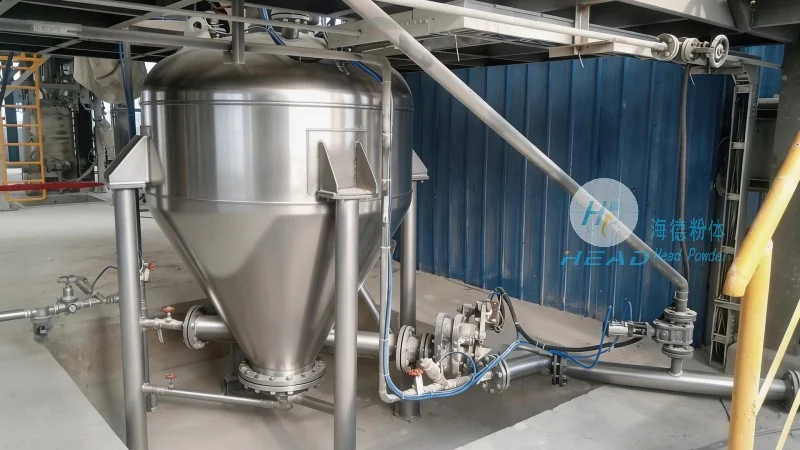
Pneumatic conveying systems use air or other gases to transport activated carbon granules through a pipeline. This method is particularly useful for long-distance or high-rise transport, as it eliminates the need for mechanical components in the conveying path. There are two main types of pneumatic conveying: pressure and vacuum systems. Pressure systems involve blowing air or gas into a sealed pipeline, pushing the granules forward, while vacuum systems create a negative pressure to draw the material into the line. Pneumatic conveying is advantageous for activated carbon because it can handle fine particles and prevent product contamination from external sources. However, it requires careful control of air pressure and flow rates to avoid material degradation or blockages. The system is also relatively compact and can be installed in confined spaces, making it suitable for facilities with limited floor space. Pneumatic conveyors are often used in applications where the activated carbon needs to be transported from storage to processing units or for distribution within a plant.
3. Belt Conveyors
Belt conveyors are another popular method for transporting activated carbon granules, especially in bulk handling operations. These systems consist of a continuous belt that moves over rollers or a flat surface, carrying the granules from one point to another. Belt conveyors are highly efficient for horizontal and slight incline transport and can handle large volumes of material. They are commonly used in industries where the activated carbon is stored in bulk and needs to be moved to processing equipment or storage areas. The design of belt conveyors allows for easy integration with other equipment, such as feeders or screens, to control the flow rate and ensure consistent material delivery. Belt conveyors are also relatively low-maintenance and can be customized to handle different granule sizes and moisture levels. However, they may require more space compared to other methods and can be susceptible to material buildup on the belt if not properly maintained. Proper cleaning and lubrication of the belt and rollers are essential to prevent wear and tear and ensure smooth operation.
4. Bucket Elevators
Bucket elevators are vertical conveying systems that use buckets attached to a chain or belt to lift and transport activated carbon granules. These systems are ideal for vertical transport, such as moving granules from a lower storage area to an upper processing unit. The buckets are filled with granules as they move upward and discharge them at the top. Bucket elevators are highly efficient for vertical transport and can handle large volumes of material with minimal space requirements. They are commonly used in applications where the activated carbon needs to be elevated to a significant height, such as in water treatment plants or chemical processing facilities. The design of bucket elevators minimizes product degradation and dust generation, making them suitable for handling activated carbon. However, they require regular maintenance to ensure the buckets and chains are in good condition and to prevent blockages. Proper alignment and tensioning of the chain or belt are crucial to maintain smooth operation and avoid material spillage.
5. Vibrating Conveyors
Vibrating conveyors use vibrations to move activated carbon granules along a trough or conveyor bed. These systems consist of a conveyor trough that is mounted on vibration motors or springs, causing the granules to move forward due to the vibrations. Vibrating conveyors are effective for horizontal and slight incline transport and are particularly useful for handling sticky or cohesive materials, such as activated carbon with high moisture content. The vibrations help to break up agglomerates and prevent material buildup on the conveyor surface. This method is often used in applications where the activated carbon needs to be transported over long distances or through multiple processing stages. Vibrating conveyors are relatively low-cost and easy to install, making them a popular choice for small to medium-sized operations. However, they may not be suitable for very fine granules or materials that are prone to dust generation, as the vibrations can cause excessive particle movement and increase the risk of contamination. Proper adjustment of the vibration frequency and amplitude is essential to ensure efficient transport without damaging the material.
Factors to Consider When Choosing a Conveying Method
When selecting a conveying method for activated carbon granules, several factors must be considered to ensure optimal performance and cost-effectiveness. The primary factors include the material characteristics, such as granule size, moisture content, and abrasiveness, as well as the operational requirements, such as transport distance, elevation, and throughput. The production environment and available space also play a significant role in the choice of conveying system. For example, screw conveyors are ideal for horizontal transport and can handle abrasive materials, while pneumatic systems are better suited for long-distance or high-rise transport. The cost of installation, maintenance, and energy consumption should also be evaluated to determine the most economical option. Additionally, the need for dust control and product purity may influence the selection of a conveying method, as some systems, such as pneumatic conveyors, can better maintain product integrity compared to mechanical systems. By carefully assessing these factors, industrial operators can choose the most appropriate conveying method for their activated carbon granule transport needs, ensuring efficient and reliable operation in their processes.
Conclusion
In conclusion, the choice of activated carbon granule conveying method depends on various factors, including the material characteristics, operational requirements, and production environment. Each method has its own advantages and limitations, and selecting the right system is crucial for maintaining production efficiency and minimizing costs. Screw conveyors, pneumatic systems, belt conveyors, bucket elevators, and vibrating conveyors are all viable options, each tailored to specific applications. By considering factors such as granule size, moisture content, transport distance, and space availability, industrial operators can make an informed decision that best suits their needs. The efficient transport of activated carbon granules is essential for the smooth operation of various industrial processes, and the right conveying method can significantly impact the overall performance and success of these operations. As technology advances, new and improved conveying systems continue to emerge, offering better solutions for handling activated carbon and other granular materials. Ultimately, the goal is to select a conveying method that ensures minimal product degradation, efficient transport, and cost-effective operation, contributing to the overall productivity and sustainability of industrial operations.