

Working Principle and Features of Light Weight Aggregate Material Pneumatic Conveying Systems
HeadPowder, a leading engineering firm based in Shandong, China, specializes in the design and implementation of advanced material handling solutions. Among their portfolio is the light weight aggregate material pneumatic conveying system, a technology that efficiently transports lightweight aggregates such as expanded clay, vermiculite, and other similar materials. This article delves into the working principle and key features of this system, providing a comprehensive understanding of its functionality and benefits.
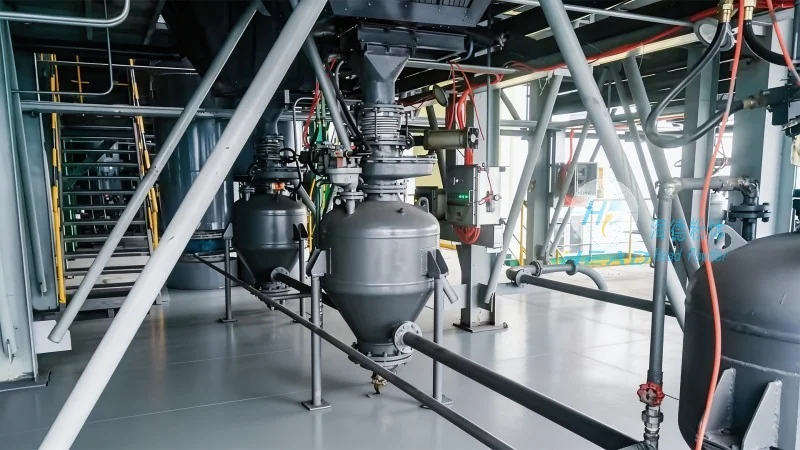
Overview of Light Weight Aggregate Pneumatic Conveying Systems
Light weight aggregate material pneumatic conveying systems are engineered to transport bulk materials through a pipeline using air or gas as the conveying medium. These systems are particularly suited for materials with low density, such as lightweight aggregates, which are commonly used in construction, horticulture, and industrial applications. The system operates by creating a pressure differential within the pipeline, either by using a positive pressure (blower or compressor) or a negative pressure (vacuum pump), to move the material from the source to the destination.
Working Principle of the Pneumatic Conveying System
The core working principle of the light weight aggregate pneumatic conveying system involves several key components and processes. The system typically consists of a hopper for material storage, a feeder to control the flow rate, a conveying line, and a receiver for material discharge. The process begins with the material being fed from the hopper into the conveying line. Simultaneously, a blower or compressor generates airflow within the pipeline, creating a pressure difference. This pressure differential propels the lightweight aggregate particles along the pipeline. The material is carried in a dilute phase, meaning the particles are suspended in the air stream, allowing for efficient and continuous transport. The system may also incorporate features like cyclone separators or filters to separate the material from the air at the receiver end, ensuring clean material delivery and air filtration.

Key Features and Advantages of the System
The light weight aggregate pneumatic conveying system offers several distinct features and advantages that make it an ideal choice for handling lightweight materials. Firstly, it provides a dust-free and enclosed transport process, which is crucial for maintaining material quality and ensuring a safe working environment. Unlike traditional belt or bucket elevators, the pneumatic system eliminates the risk of material spillage and dust dispersion, making it suitable for applications where hygiene and environmental compliance are critical. Secondly, the system offers high flexibility in terms of layout and installation. The pipeline can be arranged in various configurations, including vertical, horizontal, or a combination of both, to suit the specific site requirements. This adaptability allows for efficient material transport over long distances or complex routes. Thirdly, the system is capable of handling a wide range of lightweight aggregates with varying particle sizes and shapes, ensuring versatility in material handling. The adjustable airflow and pressure settings allow for optimal performance with different material characteristics. Additionally, the system is energy-efficient compared to other bulk material handling methods, as it minimizes energy loss and optimizes the use of air pressure. The low maintenance requirements and long service life of the components further enhance its cost-effectiveness.
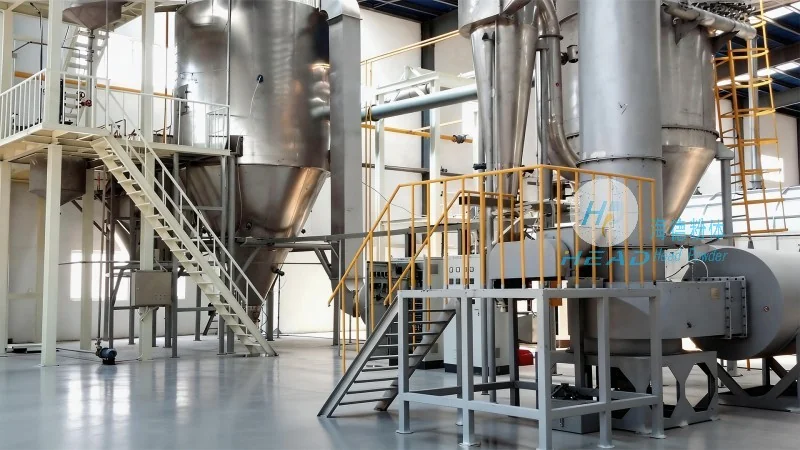
Application Scenarios and Performance Considerations
Light weight aggregate pneumatic conveying systems are widely used in various industries, including construction, agriculture, and industrial manufacturing. In the construction sector, they are commonly employed to transport lightweight aggregates for concrete production, insulation materials, and decorative elements. The system's ability to handle large volumes of material efficiently supports the high demand in construction projects. In horticulture, the system is used to transport expanded clay and vermiculite for soil mixes and plant growth media, ensuring consistent material quality and distribution. Industrial applications may include the transport of lightweight aggregates in chemical processing, where precise material handling is essential for product consistency. Performance considerations include the material's density, particle size distribution, and moisture content, as these factors influence the system's capacity and efficiency. Proper system sizing and design, considering the specific material characteristics and transport distance, are critical to achieving optimal performance and minimizing operational costs.
Conclusion
HeadPowder's light weight aggregate material pneumatic conveying system exemplifies advanced material handling technology, combining efficiency, flexibility, and reliability. By understanding its working principle and key features, users can appreciate the benefits it offers in transporting lightweight aggregates. The system's enclosed and dust-free operation, along with its adaptability and energy efficiency, make it a preferred solution for various industrial and construction applications. As a leading provider based in Shandong, China, HeadPowder continues to innovate and deliver tailored solutions that meet the evolving needs of the material handling industry.