

Working Principle and Features of Lithium Iron Phosphate Material Pneumatic Conveying System
When it comes to the efficient handling and transportation of lithium iron phosphate (LiFePO₄) materials, pneumatic conveying systems offer a reliable and advanced solution. These systems are designed to meet the specific demands of the battery material processing industry, ensuring high performance, low maintenance, and consistent material flow. This article explores the working principle and key features of such systems, highlighting how they enhance operational efficiency in material handling processes.
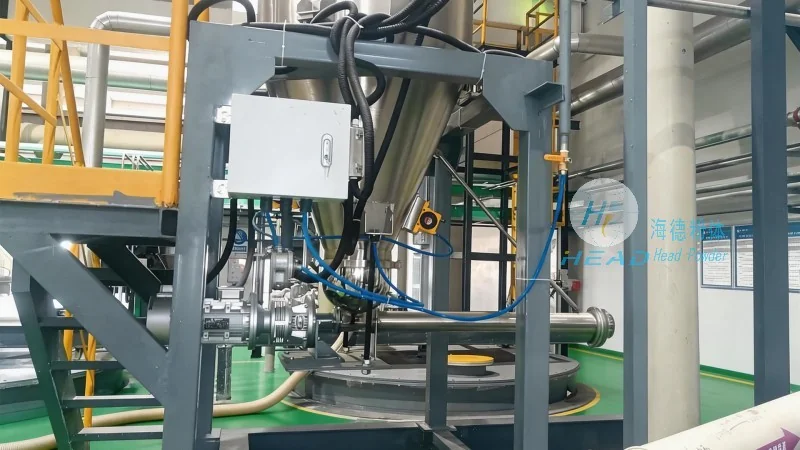
Understanding the Working Principle of Pneumatic Conveying Systems for LiFePO₄ Materials
The core of a pneumatic conveying system for lithium iron phosphate materials lies in its ability to transport bulk materials through a pressurized or vacuum environment using air or other gases. The system typically consists of several key components, including a material feed hopper, a conveying line (often with multiple sections), a separator or filter, and a discharge outlet. The process begins with the material being fed into the system from the hopper. A fan or blower then generates the necessary airflow, which propels the material particles through the conveying line. The design of the system, including the size and shape of the conveying line, the velocity of the air, and the material's properties, all play crucial roles in determining the efficiency of the conveying process. For LiFePO₄, which is often used in battery production, the system must be capable of handling fine powders or granules without causing excessive wear or blockages. The working principle involves creating a consistent flow of material by maintaining optimal air pressure and velocity, ensuring that the material is transported smoothly from the source to the destination without degradation or loss.
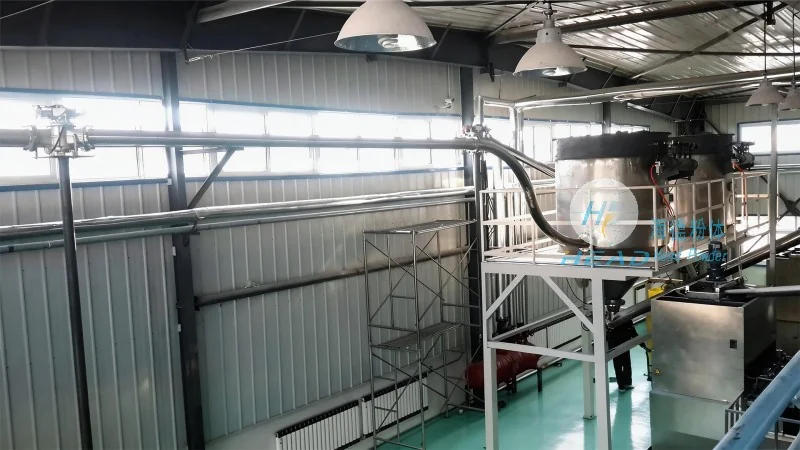
Key Features of Lithium Iron Phosphate Material Pneumatic Conveying Systems
Several distinctive features make pneumatic conveying systems ideal for handling lithium iron phosphate materials. Firstly, they provide a dust-free and enclosed environment, which is critical for maintaining material purity and preventing contamination, especially in applications where the material is used in high-tech battery manufacturing. The enclosed system also helps in controlling dust emissions, aligning with environmental regulations and safety standards. Secondly, these systems offer high flexibility in terms of layout and integration. They can be customized to fit various plant configurations, allowing for easy integration with existing production lines or new setups. This adaptability is particularly valuable in battery material processing facilities, where space optimization and process integration are key considerations. Thirdly, pneumatic conveying systems are known for their low maintenance requirements compared to traditional mechanical conveying methods. The absence of moving parts in the conveying line reduces wear and tear, leading to lower operational costs and longer system lifespans. Additionally, the system's ability to handle fine powders without clogging or blockages is a significant advantage, as LiFePO₄ powders can be prone to agglomeration if not handled properly. The use of specialized materials for the conveying line, such as stainless steel or high-grade plastics, further enhances durability and resistance to corrosion, which is essential for long-term operation in industrial settings.
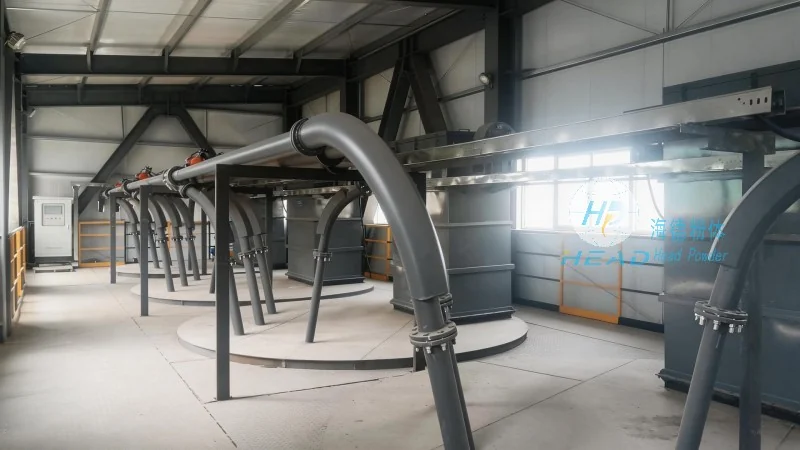
Performance and Efficiency in Material Handling
The performance of a pneumatic conveying system for lithium iron phosphate materials is evaluated based on several critical factors, including material flow rate, system pressure, and energy consumption. The system's design must ensure that the material is transported at a consistent and controlled rate, which is vital for maintaining the stability of downstream processes, such as mixing or packaging. The pressure and velocity of the air are carefully calibrated to achieve the optimal balance between material transport efficiency and energy efficiency. This balance is crucial for reducing operational costs while ensuring reliable material delivery. Furthermore, the system's ability to handle varying material characteristics, such as particle size distribution and moisture content, is an important feature. LiFePO₄ materials can have different properties depending on the production process, and the conveying system must be able to adapt to these variations without compromising performance. The integration of advanced control systems, such as variable frequency drives (VFDs) for the fan or blower, allows for real-time adjustment of airflow and pressure, enhancing the system's responsiveness and efficiency.
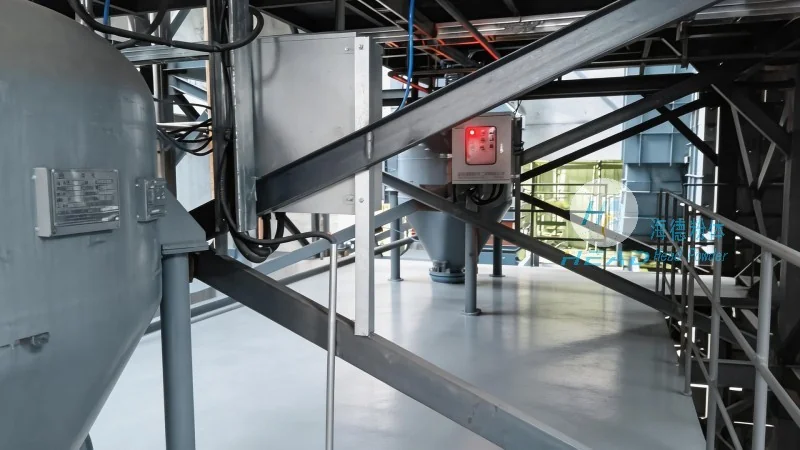
Application in Battery Material Processing
In the context of battery material processing, the pneumatic conveying system plays a pivotal role in the entire material handling workflow. From the initial raw material storage to the final product packaging, the system ensures that lithium iron phosphate powders are transported safely and efficiently. The enclosed and dust-free nature of the system helps in maintaining the quality of the material, which is essential for producing high-performance batteries. The system's ability to handle fine powders without degradation is particularly important, as any loss of material or change in particle size can affect the battery's performance and lifespan. Additionally, the system's integration with other processing equipment, such as mixers or classifiers, allows for a seamless flow of material through the production line, minimizing downtime and maximizing productivity. The reliability of the pneumatic conveying system is also a key factor, as any interruption in material supply can lead to production delays and increased costs. Therefore, the system's design must prioritize durability, efficiency, and ease of maintenance to ensure consistent operation in demanding industrial environments.