

Working Principle and Features of Iron Ore Fines Pneumatic Conveying Systems
Iron ore fines pneumatic conveying systems are critical components in modern industrial operations, particularly in the mining and processing sectors. These systems are designed to transport iron ore fines—fine-grained iron ore particles—from one location to another using air as the conveying medium. The working principle and key features of such systems are essential for understanding their efficiency, reliability, and application in various industrial settings.
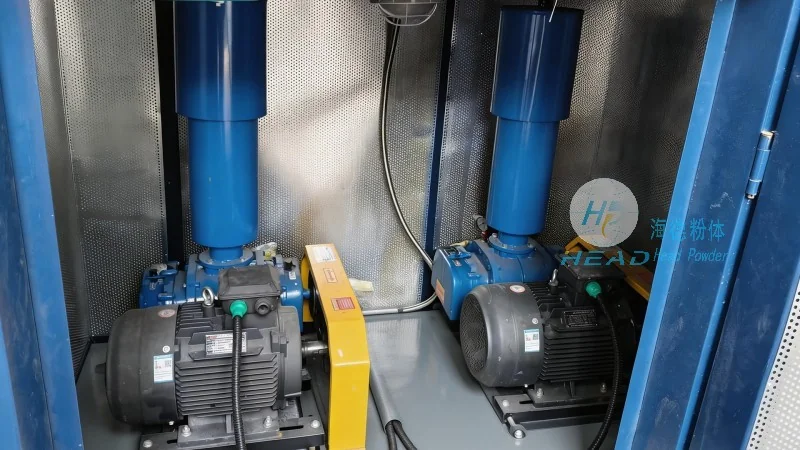
Working Principle of Iron Ore Fines Pneumatic Conveying Systems
The core working principle of iron ore fines pneumatic conveying systems involves the use of air to create a flow that transports the ore particles. There are primarily two types of pneumatic conveying systems: dilute-phase and dense-phase. Dilute-phase systems operate by injecting air at high velocity into the conveying line, which lifts and transports the ore fines in a dispersed state. This method is suitable for short to medium distances and low to moderate particle sizes. Dense-phase systems, on the other hand, use lower air velocities and higher air-to-solid ratios, resulting in a more concentrated flow of ore particles. This approach is ideal for longer distances and more sensitive materials, as it minimizes particle degradation and reduces the risk of blockages.
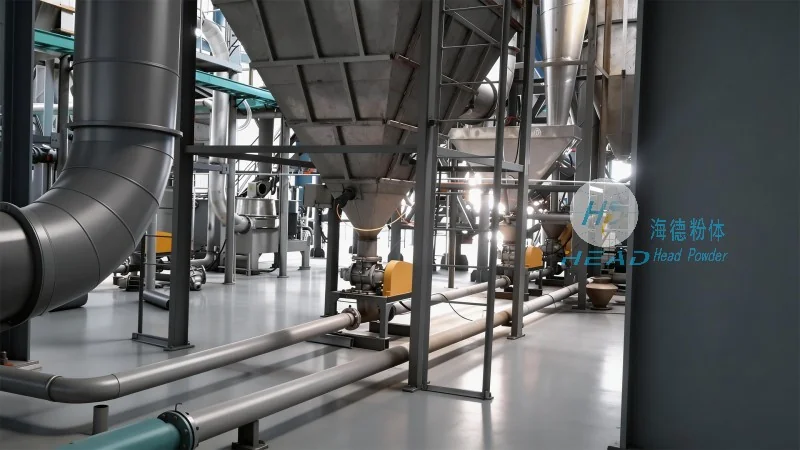
Key Features of Iron Ore Fines Pneumatic Conveying Systems
Several key features distinguish iron ore fines pneumatic conveying systems from other material handling methods. First, they offer a high degree of flexibility in terms of layout and installation. Unlike traditional belt or bucket elevators, pneumatic systems can be installed in various configurations, including vertical, horizontal, or a combination of both, adapting to the specific spatial constraints of a facility. Second, these systems provide excellent dust control. By enclosing the conveying line and using appropriate filtration systems, they effectively contain dust, improving workplace safety and compliance with environmental regulations. Third, pneumatic conveying systems are highly efficient in terms of energy consumption and operational costs. They eliminate the need for mechanical components like belts or chains, reducing maintenance requirements and extending the lifespan of the equipment. Additionally, they can handle a wide range of particle sizes and moisture contents, making them versatile for different iron ore processing applications.
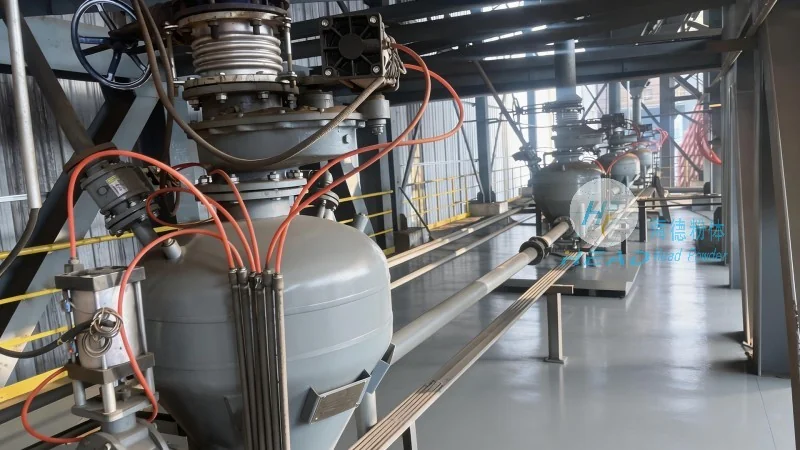
Application and Advantages in Industrial Settings
Iron ore fines pneumatic conveying systems are widely used in the mining and steel industries. In mining operations, they are employed to transport ore from the extraction site to processing plants, ensuring a continuous and efficient supply of raw materials. In steel mills, these systems are crucial for moving iron ore fines to storage silos or directly to the sintering or pelletizing processes. The advantages of using pneumatic conveying for iron ore fines include improved material handling efficiency, reduced labor costs, and enhanced safety due to the enclosed system design. Furthermore, the technology allows for precise control over the flow rate and pressure, enabling better process management and quality control in industrial production lines.
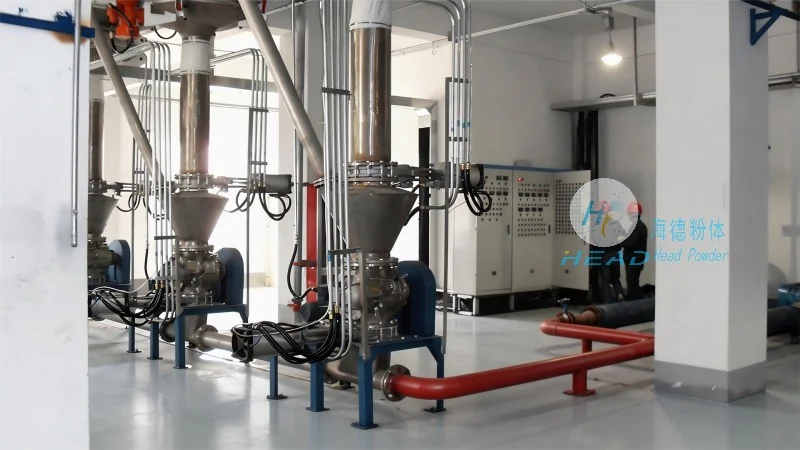
About Shandong HeadPowder Engineering Co., Ltd.
Shandong HeadPowder Engineering Co., Ltd., operating under the brand name headpowder, is a leading provider of advanced material handling solutions, including iron ore fines pneumatic conveying systems. With a focus on innovation and quality, the company specializes in designing, manufacturing, and installing customized pneumatic conveying systems tailored to the specific needs of industrial clients. HeadPowder's systems are engineered to meet the highest standards of performance, reliability, and durability, ensuring long-term operational efficiency and minimal downtime. The company's headquarters is located in Shandong, China, where it leverages local expertise and resources to deliver cutting-edge solutions for the global mining and processing industries.