

Working Principle and Characteristics of Negative Pressure Bulk Material Pneumatic Conveying
Negative pressure bulk material pneumatic conveying is a widely used technology in the material handling industry for transporting bulk materials over short to medium distances. This method operates by creating a vacuum or negative pressure in the conveying system, which draws the material from the source into the conveying line and transports it to the destination. The process is efficient, flexible, and suitable for various applications, including the handling of powders, granules, and other bulk solids.
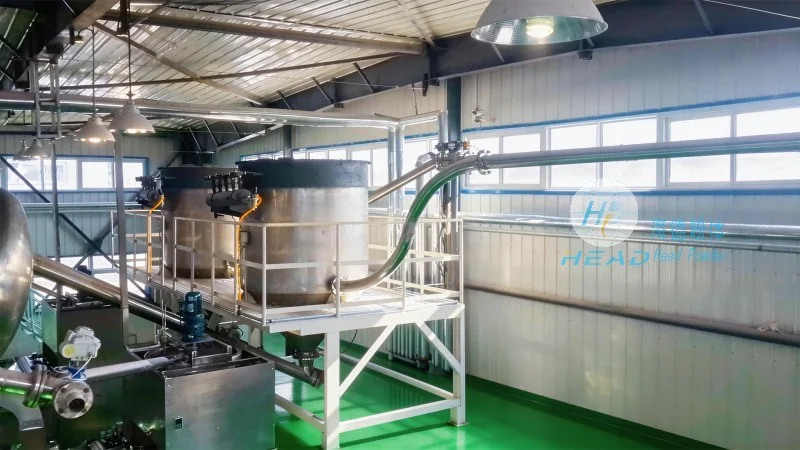
Working Principle of Negative Pressure Pneumatic Conveying
The core principle of negative pressure pneumatic conveying involves the use of a vacuum pump or other vacuum generation equipment to create a pressure differential between the material source and the conveying line. The system typically consists of a hopper, a vacuum pump, a conveying line, and a receiver. When the vacuum pump is activated, it reduces the pressure inside the conveying line below atmospheric pressure. This pressure difference causes the material to be drawn from the hopper into the line, where it is carried by the air flow to the receiver. The air and material mixture then passes through a separator, where the material is separated from the air and collected in the receiver. The air is then either recirculated or vented to the atmosphere, depending on the system design.
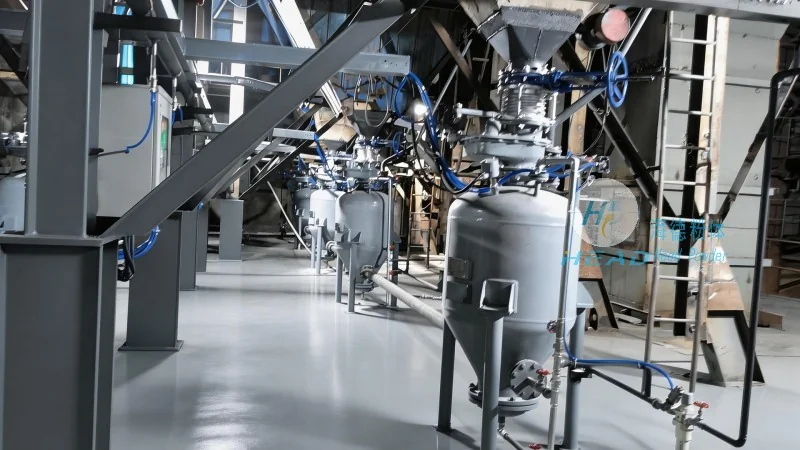
Key Characteristics of Negative Pressure Bulk Material Conveying
There are several notable characteristics of negative pressure pneumatic conveying systems that make them attractive for many industrial applications. First, the system operates at relatively low air velocities, which reduces the risk of material degradation and equipment wear. This is particularly important for sensitive materials such as pharmaceuticals, food products, or chemicals that are prone to caking or agglomeration. Second, the negative pressure design minimizes dust emissions and environmental contamination, as the material is contained within the system and not released into the ambient air. This makes it a more environmentally friendly option compared to positive pressure systems. Third, the system is flexible in terms of layout and can be adapted to various plant configurations, allowing for the integration of multiple material sources and destinations. Additionally, negative pressure conveying systems are generally more energy-efficient than positive pressure systems, as they require less air volume and lower pressure to operate effectively.
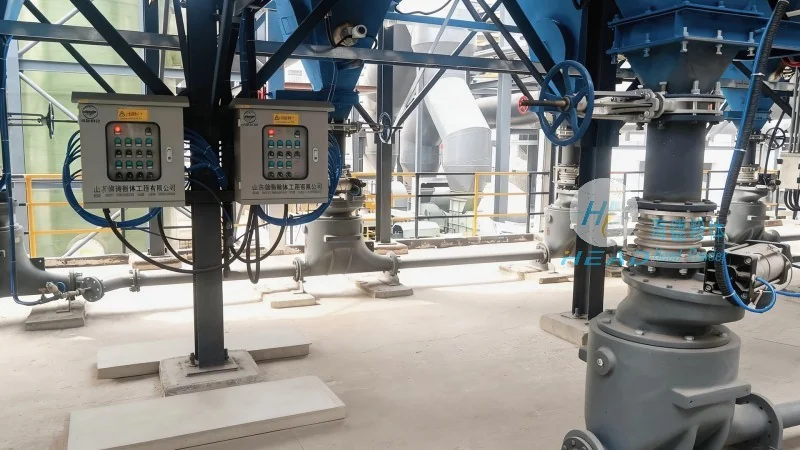
Applications and Benefits in Industrial Settings
Negative pressure bulk material pneumatic conveying is commonly used in a variety of industrial sectors, including food and beverage, pharmaceuticals, chemicals, and mining. In the food industry, it is used to transport ingredients such as flour, sugar, and spices, ensuring hygienic and dust-free handling. In the pharmaceutical industry, it is employed to convey active pharmaceutical ingredients (APIs) and excipients, maintaining strict contamination control and product integrity. The chemical industry utilizes negative pressure systems for handling powders and granules, such as catalysts and reagents, where dust control and material protection are critical. Mining operations also benefit from this technology for transporting ore and other bulk materials from processing plants to storage or processing facilities.
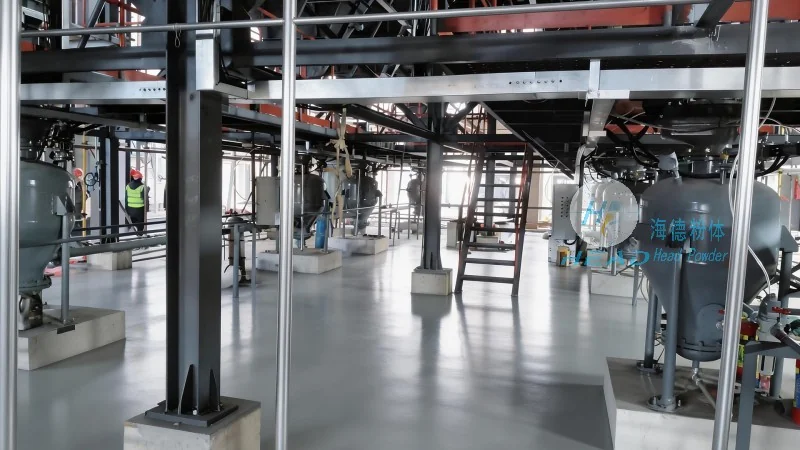
Company Overview: Shandong HeadPowder Engineering Co., Ltd.
Shandong HeadPowder Engineering Co., Ltd., operating under the brand name HeadPowder, is a leading manufacturer and supplier of bulk material handling equipment, including negative pressure pneumatic conveying systems. With a strong focus on innovation and quality, the company has established itself as a trusted partner in the industry, providing customized solutions tailored to the specific needs of its clients. HeadPowder's products are designed to meet international standards and are known for their durability, efficiency, and reliability. The company's headquarters is located in Shandong, China, where it has a dedicated team of engineers and technicians dedicated to research, development, and customer support.