

Working Principle and Features of Inorganic Salt Material Handling Equipment
Shandong HeadPowder Engineering Co., Ltd., a professional manufacturer headquartered in Shandong, China, specializes in providing efficient and reliable equipment for handling inorganic salt materials. The company's product line focuses on various types of inorganic salts, including but not limited to sodium chloride, sulfates, and other chemical compounds, ensuring safe and effective material transport in industrial settings.
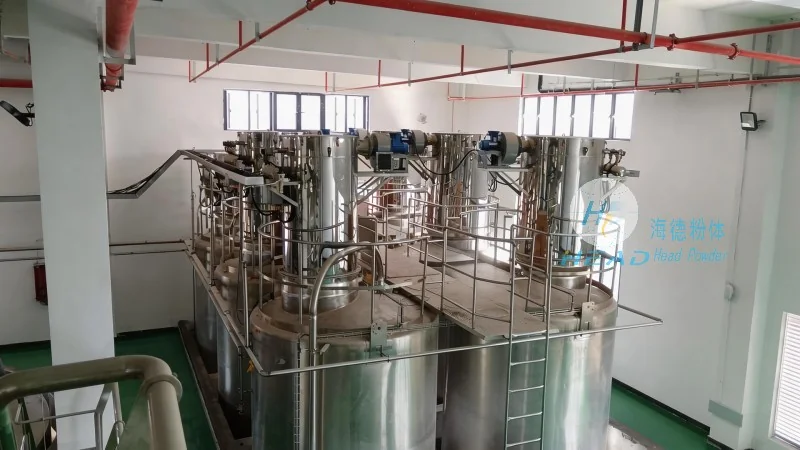
Working Principle of Inorganic Salt Material Handling Equipment
The working principle of inorganic salt material handling equipment varies depending on the specific type of machinery used. Common systems include screw conveyors, vibratory feeders, and pneumatic conveying systems. Each type operates based on different physical principles to move materials from one location to another.
Screw conveyors, for instance, utilize a rotating helical screw to push material forward. This mechanism is ideal for handling dry, free-flowing inorganic salts, as the screw's rotation creates a continuous flow without the need for external forces. The speed and direction of the screw can be adjusted to control the rate of material transport, making it versatile for different production requirements.
Vibratory feeders, on the other hand, rely on the periodic vibration generated by an electric motor. The vibration causes the material to move along a trough or conveyor belt, which is particularly effective for handling cohesive or sticky inorganic salts that might otherwise clog traditional conveyors. By adjusting the frequency and amplitude of the vibration, operators can optimize the feeding rate and prevent material buildup.
Pneumatic conveying systems operate by using compressed air to transport materials through a pipeline. This method is suitable for long-distance or enclosed environments, as it can move materials without direct contact, reducing the risk of contamination or damage. The system typically consists of a blower, a hopper, and a discharge point, with the air pressure and flow rate determining the conveying capacity.
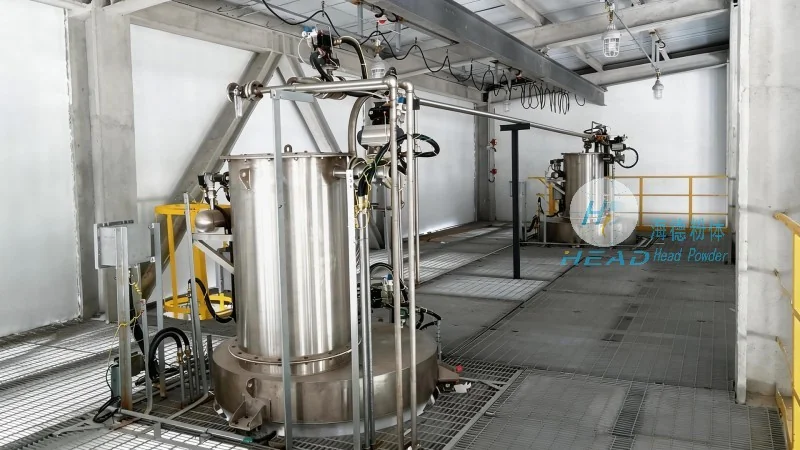
Key Features of Inorganic Salt Material Handling Equipment
Equipment designed for inorganic salt handling is characterized by several key features that enhance performance and reliability. One of the primary advantages is the use of corrosion-resistant materials, such as stainless steel or special alloys, to withstand the chemical properties of inorganic salts. This ensures the equipment maintains its structural integrity and operational efficiency over time.
Another notable feature is the simplicity of the design, which contributes to lower maintenance costs and easier operation. Many models are equipped with user-friendly controls, allowing operators to adjust settings like speed, pressure, or vibration frequency with minimal training. This makes the equipment suitable for both small-scale and large-scale industrial applications.
Customization is also a significant feature, as manufacturers can tailor equipment to meet specific client needs. For example, the size of the conveyor, the power output, or the material of construction can be modified to accommodate different production volumes or environmental conditions. This flexibility allows businesses to optimize their material handling processes without compromising on quality or safety.
Additionally, safety features are integrated into the design to prevent accidents and ensure compliance with industrial standards. Overload protection mechanisms, temperature sensors, and emergency stop buttons are common components that help maintain safe operation. These features not only protect the equipment and personnel but also contribute to regulatory compliance and operational continuity.
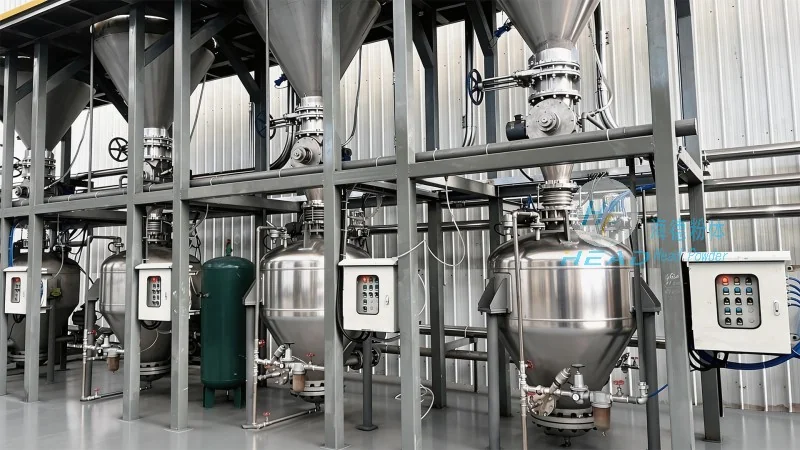
Application and Performance Considerations
The effectiveness of inorganic salt material handling equipment depends on several factors, including the physical properties of the material being handled. For instance, the particle size, moisture content, and flowability of the salt can impact the choice of equipment and its operating parameters. Proper selection ensures optimal performance and minimizes downtime.
Efficiency is a critical consideration for businesses, as the cost of material handling can significantly affect overall production costs. High-quality equipment from manufacturers like Shandong HeadPowder Engineering Co., Ltd. is designed to maximize throughput while minimizing energy consumption and maintenance expenses. This balance between performance and cost is essential for maintaining competitiveness in the market.
Reliability is another key aspect, as consistent operation is vital for continuous production. Equipment that is built to withstand the harsh conditions of inorganic salt processing, such as high temperatures or corrosive environments, reduces the frequency of breakdowns and repairs. This reliability translates into higher productivity and lower operational costs over the long term.
In conclusion, inorganic salt material handling equipment from Shandong HeadPowder Engineering Co., Ltd. combines advanced technology with practical design to address the unique challenges of transporting inorganic salts. By understanding the working principles and features of these systems, businesses can make informed decisions to improve their material handling processes and enhance overall operational efficiency.