

Working Principle and Features of Urea Granule Material Handling Systems
Urea granule material handling systems are pivotal in modern industrial operations, especially within the fertilizer and chemical sectors. These systems are engineered to efficiently transport urea granules from storage to processing or packaging stages, playing a crucial role in maintaining product integrity and operational efficiency.
Introduction to Urea Granule Material Handling Systems
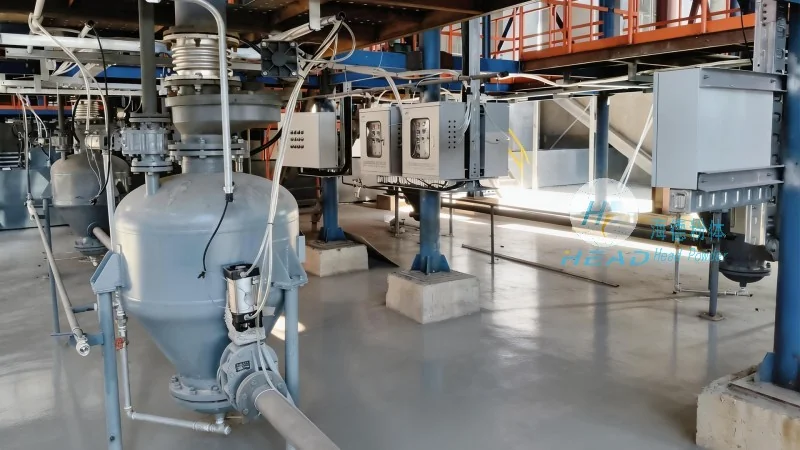
Urea, a widely utilized nitrogen fertilizer, is commonly produced in granular form for enhanced handling and application. The transportation of these granules demands specialized equipment to prevent damage and preserve quality. Urea granule material handling systems integrate components such as conveyors, feeders, and control mechanisms to achieve seamless material flow. Tailored to industrial needs, these systems ensure reliable and consistent performance, supporting the entire production process from storage to final use.
Working Principle of Urea Granule Material Handling Systems
The working principle of a typical urea granule material handling system involves a series of coordinated steps. Initially, urea granules are stored in bulk silos or hoppers. A feeder, often rotary or vibratory, regulates the granule flow from storage to the conveyor system. The conveyor—whether belt, screw, or pneumatic—transports the material to subsequent processing stages. Control systems monitor and adjust the flow rate, ensuring optimal speed to avoid breakage or segregation. This integrated approach gently handles urea granules, preserving their physical properties and quality throughout the process.
Key Features of Urea Granule Material Handling Systems
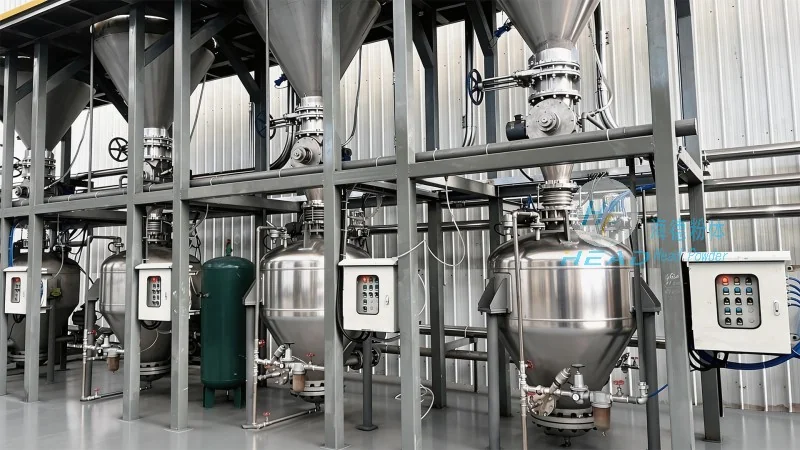
Urea granule material handling systems from Shandong HeadPowder Engineering Co., Ltd. (headpowder) boast several advanced features that enhance performance and reliability. High-quality materials and robust construction are used to withstand the abrasive nature of urea granules. Advanced PLC control systems provide precise regulation of feeding and conveying, ensuring consistent material flow and minimizing downtime. Safety features, including overload protection and emergency stop mechanisms, safeguard both operators and equipment. The modular design allows easy integration into existing production lines and facilitates maintenance, extending equipment lifespan and reducing long-term costs.
Application and Benefits in Industrial Settings
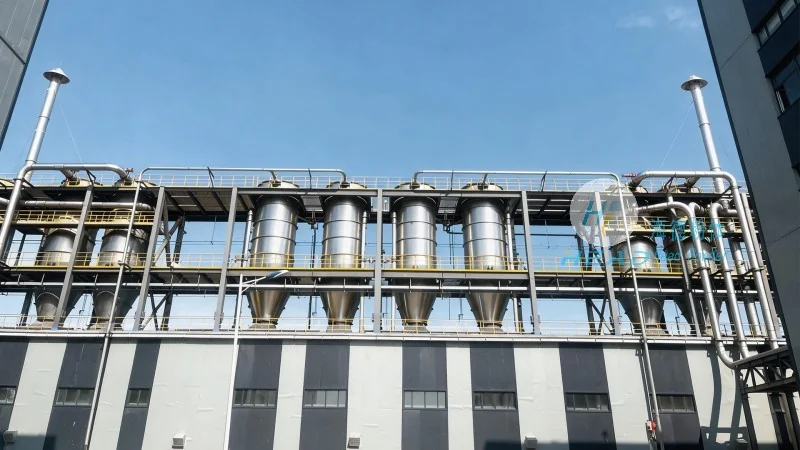
These systems are extensively used in fertilizer manufacturing, chemical processing, and agricultural supply chains. Key benefits include improved operational efficiency, reduced labor costs, and enhanced product quality. Automation of material handling boosts throughput and energy efficiency. Gentle handling minimizes product degradation, ensuring compliance with quality standards. Reliable systems reduce maintenance needs and extend equipment life, delivering significant cost savings for industrial operations.
Conclusion
In summary, urea granule material handling systems are critical for efficient urea production and processing. Their working principle—controlled feeding and conveyor transport—ensures gentle handling to maintain quality. The features, including robust construction, advanced controls, and safety mechanisms, contribute to reliability. For industries seeking to optimize operations, headpowder’s systems offer a dependable solution. Understanding these systems helps businesses enhance efficiency and product quality, supporting sustainable industrial practices.