

Working Principle and Features of Weighing Feeding Material Conveying Systems
Understanding the working principle and features of weighing feeding material conveying systems is crucial for industries that rely on precise material handling and processing. These systems are integral to modern manufacturing and processing facilities, ensuring efficient and accurate material flow. The following content provides a detailed overview of how these systems operate and the key characteristics that define their performance.
Introduction to Weighing Feeding Material Conveying Systems
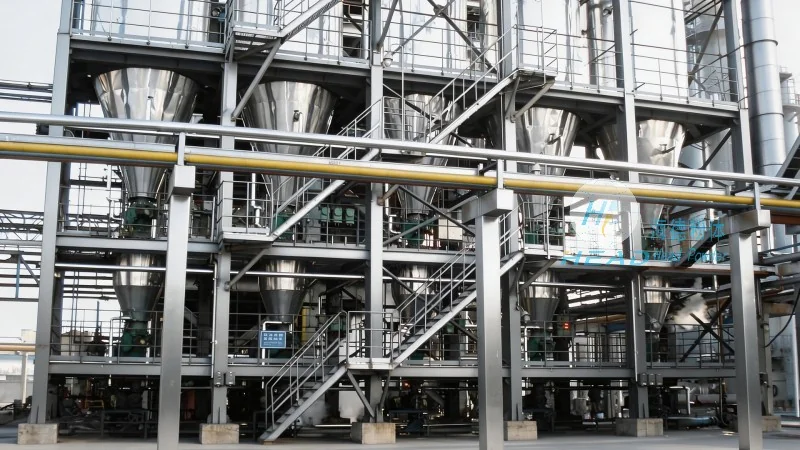
HeadPowder, a leading manufacturer based in Shandong, China, specializes in the design, development, and implementation of advanced weighing feeding material conveying systems. These systems are engineered to meet the stringent demands of various industries, including chemical, food processing, and pharmaceuticals. The core function of such systems is to deliver materials with high accuracy and consistency, which is essential for maintaining product quality and operational efficiency.
Working Principle of Weighing Feeding Systems
The working principle of a weighing feeding material conveying system involves several interconnected components that work in tandem to achieve precise material measurement and control. The system typically consists of a conveyor mechanism, a weighing sensor, and a control unit. The conveyor transports the material from the source to the weighing point, while the sensor measures the weight of the material in real-time. The control unit processes the data from the sensor and adjusts the conveyor speed or feed rate to maintain the desired weight per unit time. This closed-loop control ensures that the material is fed at a consistent rate, minimizing variations in the final product.
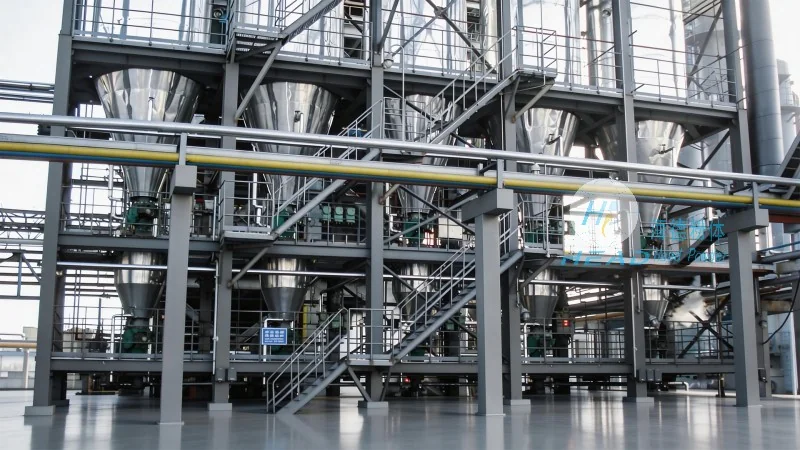
For example, in a chemical processing plant, the system might be used to feed raw materials into a reactor. The weighing sensor continuously monitors the weight of the material entering the reactor, and the control unit adjusts the conveyor speed to maintain a specific feed rate. This ensures that the reactor receives the exact amount of material required, preventing overfeeding or underfeeding, which could lead to process inefficiencies or product defects.
Key Features of Weighing Feeding Material Conveying Systems
Several key features distinguish high-quality weighing feeding material conveying systems from standard conveyor systems. These features are designed to enhance accuracy, reliability, and ease of operation. The primary features include:
- High Precision Weighing Sensors: Modern systems utilize advanced load cells and sensors that provide high-resolution weight measurements, often with an accuracy of ±0.1% or better. This level of precision is critical for applications where even small variations in material feed can impact product quality.
- Integrated Control Systems: The control unit integrates with the conveyor and weighing sensors to provide real-time monitoring and adjustment. This allows operators to adjust feed rates dynamically based on process requirements, ensuring optimal performance under varying conditions.
- Material Compatibility: Systems are designed to handle a wide range of materials, including powders, granules, and bulk solids. The conveyor and weighing mechanisms are constructed from materials that are resistant to corrosion and wear, ensuring long-term durability and minimal maintenance.
- Easy Maintenance and Calibration: The modular design of these systems allows for easy access to components for maintenance and calibration. Regular calibration is essential to maintain the accuracy of the weighing sensors, and the system's user-friendly interface simplifies this process.
Applications and Benefits in Industrial Settings
Weighing feeding material conveying systems are widely used in various industrial applications where precise material control is paramount. Some common applications include:
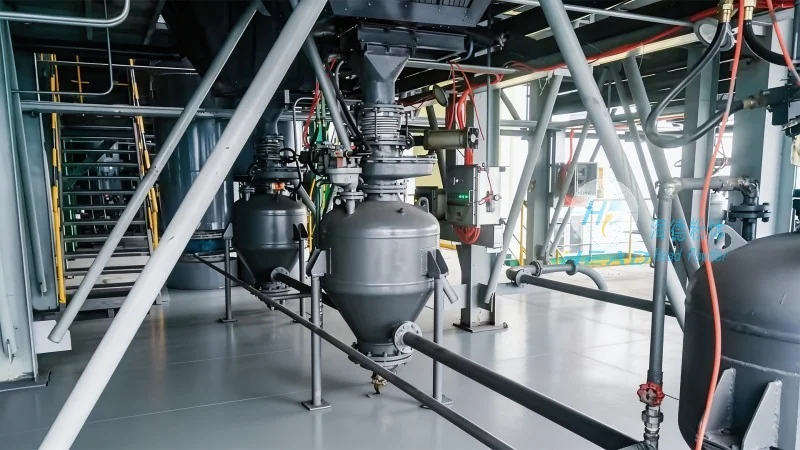
- Chemical Manufacturing: Ensuring accurate dosing of raw materials into chemical reactors to achieve the desired reaction rates and product specifications.
- Food Processing: Controlling the feed rate of ingredients in food production to maintain consistent flavor, texture, and nutritional content.
- Pharmaceutical Production: Precise measurement and feeding of active pharmaceutical ingredients (APIs) to meet stringent regulatory requirements for product purity and dosage accuracy.
- Mineral and Mining Industries: Managing the feed rate of bulk materials into processing equipment, such as crushers or mixers, to optimize production efficiency.
The benefits of implementing these systems extend beyond mere material control. They contribute to improved product quality, reduced waste, and enhanced operational efficiency. By maintaining consistent feed rates, these systems help minimize variations in the final product, leading to higher customer satisfaction and reduced rework or scrap rates. Additionally, the real-time monitoring capabilities allow for quick detection of process deviations, enabling timely adjustments and preventing costly downtime.
Conclusion and Company Overview
HeadPowder Engineering Co., Ltd., based in Shandong, China, is a trusted provider of advanced weighing feeding material conveying systems. With a focus on precision engineering and customer-centric solutions, the company delivers systems that meet the unique needs of various industries. The working principle and key features of these systems ensure reliable and accurate material handling, contributing to the overall success of industrial operations. By investing in high-quality weighing feeding systems, businesses can enhance their productivity, product quality, and competitiveness in the market.