

Working Principle and Features of Cotton Fiber Powder Conveying System Equipment
Shandong HeadPowder Engineering Co., Ltd., commonly known as headpowder, is a professional manufacturer and supplier based in Shandong, China. The company specializes in the design, development, and production of advanced powder conveying systems, particularly those tailored for cotton fiber applications.
Working Principle of Cotton Fiber Powder Conveying System
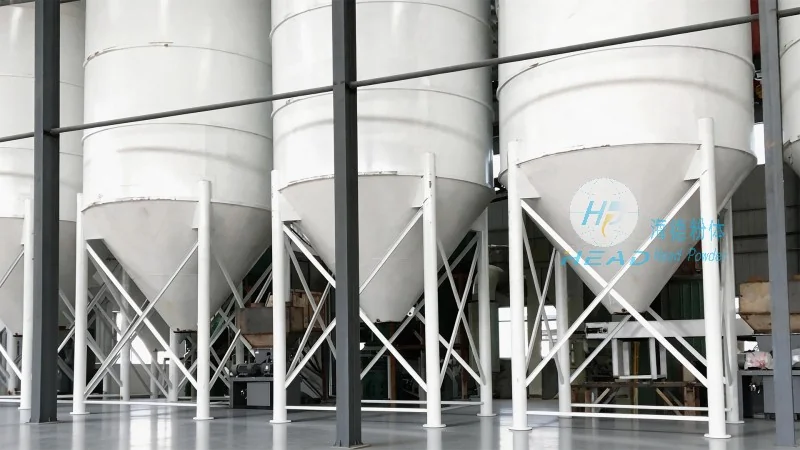
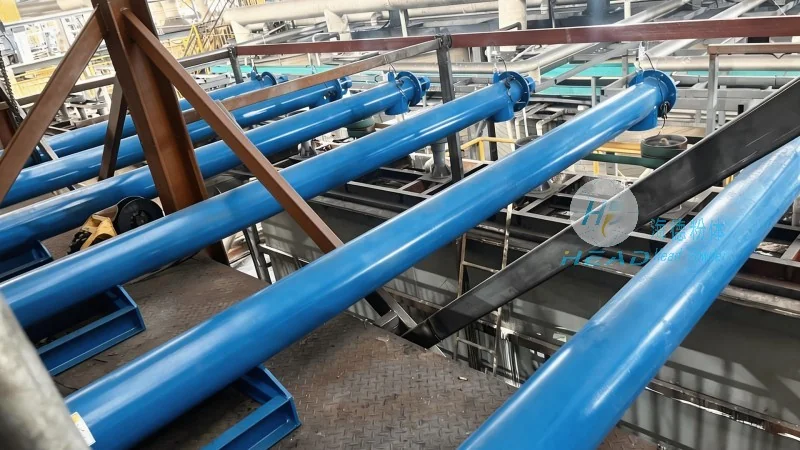
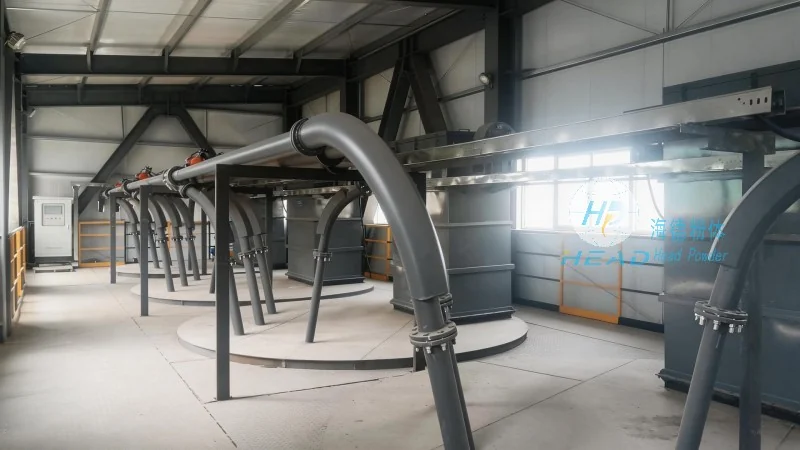
The cotton fiber powder conveying system operates through a combination of mechanical and pneumatic components to efficiently transport cotton fiber powders. The process typically begins with the storage of raw cotton fiber in a hopper or silo. From there, the material is fed into a conveyor system, which may include screw conveyors, belt conveyors, or pneumatic pipelines. The system uses a controlled flow mechanism to ensure uniform and consistent movement of the cotton fiber particles. Pneumatic conveying, for instance, utilizes compressed air to create a flow that propels the powder through the pipeline, while mechanical conveyors rely on rotating screws or belts to move the material. The control system, often integrated with sensors and automation technology, monitors the flow rate, pressure, and other parameters to maintain optimal operation. This ensures that the cotton fiber is transported safely and efficiently from the storage area to the processing or packaging units. The system also incorporates safety features, such as pressure relief valves and emergency shut-off mechanisms, to prevent accidents and protect personnel and equipment. The design is tailored to handle the specific characteristics of cotton fiber, such as its lightweight nature and tendency to form clumps, ensuring that the material is conveyed without degradation or loss.
Key Features and Advantages
Headpowder's cotton fiber powder conveying systems are designed with several key features that enhance performance and reliability. One of the primary advantages is the high efficiency in material handling, which minimizes downtime and maximizes production throughput. The systems are built with durable materials, such as stainless steel or corrosion-resistant alloys, to withstand the abrasive nature of cotton fiber and prevent contamination. This ensures long-term operational stability and reduces maintenance costs. Additionally, the systems are equipped with advanced control technologies, including real-time monitoring and automated adjustments, which improve operational safety and reduce the risk of material spillage or blockages. The modular design allows for easy integration with existing production lines, making it suitable for various industrial applications. Another notable feature is the energy efficiency, as the systems are optimized to use minimal power while maintaining high conveying capacity. This not only reduces operational costs but also aligns with environmental sustainability goals. The systems also offer flexibility in conveying different types of cotton fiber, including raw cotton, processed fibers, and blended materials, making them versatile for diverse production needs. Furthermore, the systems are designed for easy maintenance, with accessible components and clear operational indicators, which simplifies troubleshooting and reduces downtime. The company's commitment to quality and innovation ensures that each system is customized to meet the specific requirements of the client, whether it's for textile manufacturing, agricultural processing, or other industries that utilize cotton fiber.