

Working Principle and Features of Barite Powder Conveying Systems
Barite powder conveying systems are critical components in industrial processes, particularly in mining and mineral processing industries. These systems are designed to efficiently transport barite powder, a heavy mineral used in various applications such as drilling fluids, pigments, and radiation shielding. Understanding the working principle and key features of such systems is essential for optimizing material handling operations and ensuring operational efficiency.
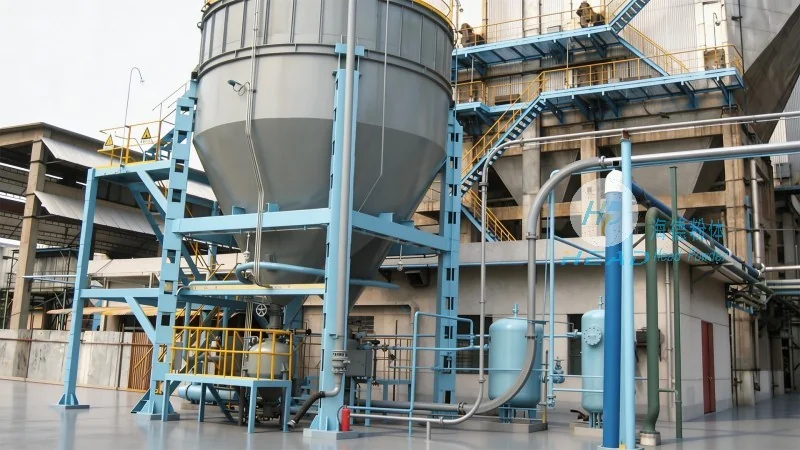
Working Principle of Barite Powder Conveying Systems
The pneumatic conveying process begins with the barite powder being stored in a bulk storage silo or hopper. The powder is then fed into a feeder, which controls the flow rate to match the conveying requirements. The feeder may be a rotary valve or a screw feeder, depending on the system design. The powder then enters a pipeline, where it is mixed with compressed air. The air velocity is typically maintained at a level that ensures the powder particles are fully suspended and transported efficiently. The pipeline may include bends, elbows, and other components that guide the flow, and these are designed to minimize pressure losses and maintain the air-powder mixture's stability. At the receiving end, the air and powder are separated, with the powder being collected in a receiving hopper or silo, and the air being filtered and discharged. Mechanical conveying systems, such as screw conveyors or belt conveyors, operate by moving the powder through a rotating screw or a moving belt. The screw conveyor consists of a rotating screw inside a tube, which pushes the powder forward. The speed of the screw and the pitch of the screw blades determine the conveying capacity. Belt conveyors use a continuous belt that moves the powder along the length of the conveyor. Both mechanical systems are often used for horizontal or slight incline transport, and they are suitable for handling larger quantities of powder with lower air consumption compared to pneumatic systems.
Key Features of Barite Powder Conveying Systems
Several key features distinguish effective barite powder conveying systems. First, the system must ensure minimal dust generation and proper containment to maintain a safe working environment. This is achieved through sealed hoppers and pipelines, as well as dust collection systems. Second, the conveying system should be designed for high efficiency and low energy consumption. This includes optimizing air pressure and flow rates to minimize energy usage while maintaining the required conveying capacity. Third, the system must be durable and resistant to wear and corrosion, as barite powder can be abrasive and may contain moisture or other contaminants that could damage equipment. Fourth, the system should be easy to maintain and operate, with accessible components and straightforward controls. Finally, the system must comply with safety and environmental regulations, ensuring that it operates within permissible limits for dust emissions and noise levels.
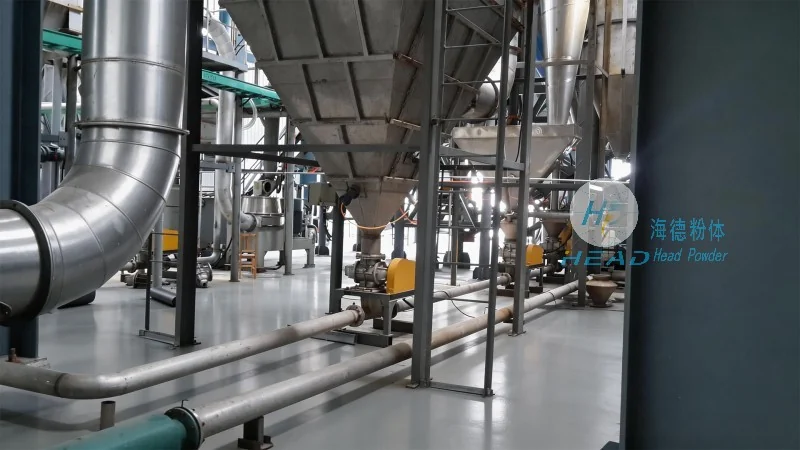
Key Features of Barite Powder Conveying Systems (Continued)
Another important feature is the system's ability to handle varying particle sizes and moisture content. Barite powder can have a wide range of particle sizes, from fine powders to larger granules, and it may contain moisture, which can affect the conveying efficiency. Effective conveying systems are designed to accommodate these variations, with adjustable feed rates and moisture control mechanisms. Additionally, the system should be equipped with monitoring and control systems to ensure optimal performance. These systems may include pressure sensors, flow meters, and control panels that allow operators to adjust the system parameters in real-time. This helps to maintain consistent conveying rates and prevent issues such as blockages or overloading. The system's design also considers the environmental impact, with features like dust suppression and noise reduction to minimize the impact on the surrounding environment. Finally, the system should be scalable and adaptable, allowing it to be expanded or modified as the client's needs change. This flexibility ensures that the system remains effective and efficient over the long term.
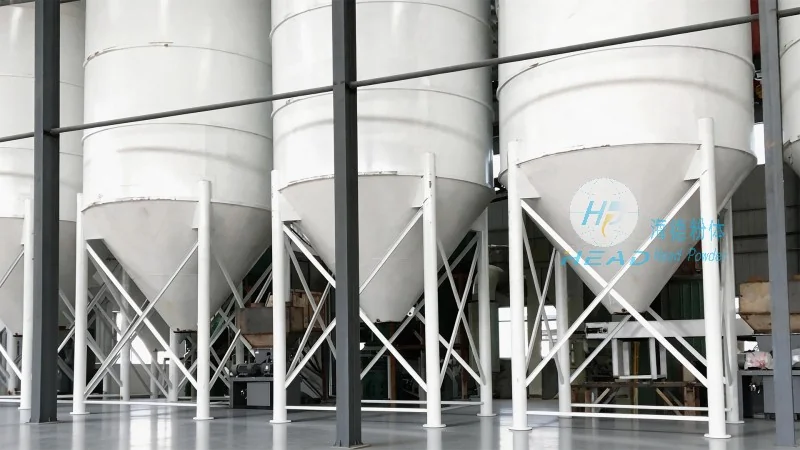
About Shandong HeadPowder Engineering Co., Ltd.
Shandong HeadPowder Engineering Co., Ltd., commonly known as headpowder, is a leading manufacturer and supplier of specialized powder handling equipment. With a focus on industrial applications, the company provides high-quality barite powder conveying systems tailored to meet the specific needs of its clients. Headpowder is committed to delivering reliable and efficient solutions that enhance operational performance and reduce costs for its customers. The company's headquarters is located in Shandong, China, where it maintains a state-of-the-art manufacturing facility and a team of experienced engineers and technicians.
Headpowder's Commitment to Quality and Innovation
Headpowder has a strong reputation in the industry for its innovative and reliable barite powder conveying systems. The company's products are designed and manufactured with high-quality materials and advanced technology, ensuring durability and long service life. The company provides comprehensive after-sales support, including installation, maintenance, and technical assistance, to ensure that its clients can maximize the performance of their equipment. Headpowder's commitment to quality and customer satisfaction has made it a trusted partner for many industrial companies worldwide. The company's location in Shandong, China, provides easy access to raw materials and a skilled workforce, enabling it to maintain competitive pricing and fast delivery times. Headpowder continues to invest in research and development to improve its products and stay ahead of industry trends, ensuring that its clients receive the best possible solutions for their powder handling needs.