

Working Principle and Characteristics of Anhydrous Aluminum Chloride Powder Handling
For industries dealing with anhydrous aluminum chloride, efficient and safe powder handling is critical. This article explores the working principle and key characteristics of systems designed for transporting this reactive chemical, with insights from Shandong HeadPowder Engineering Co., Ltd., a leading provider in the field.
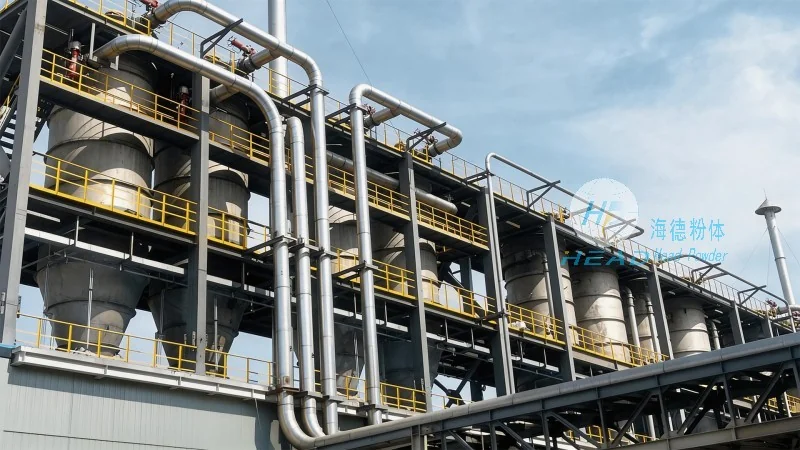
Working Principle of Anhydrous Aluminum Chloride Powder Handling
The core working principle of anhydrous aluminum chloride powder handling systems revolves around maintaining the chemical's integrity while ensuring safe and efficient transport. HeadPowder's solutions typically employ a combination of advanced material handling technologies tailored to the unique properties of anhydrous aluminum chloride. These systems often utilize sealed, airtight containers and specialized conveying equipment to prevent moisture ingress and minimize the risk of exothermic reactions during transport. The process generally involves loading the powder into a storage hopper, then transferring it through a network of pipes or conveyor systems, often using positive pressure or vacuum-assisted methods to move the material. The entire system is designed with redundant safety features, such as emergency shut-off valves and pressure relief mechanisms, to mitigate potential hazards associated with the reactive nature of the material.
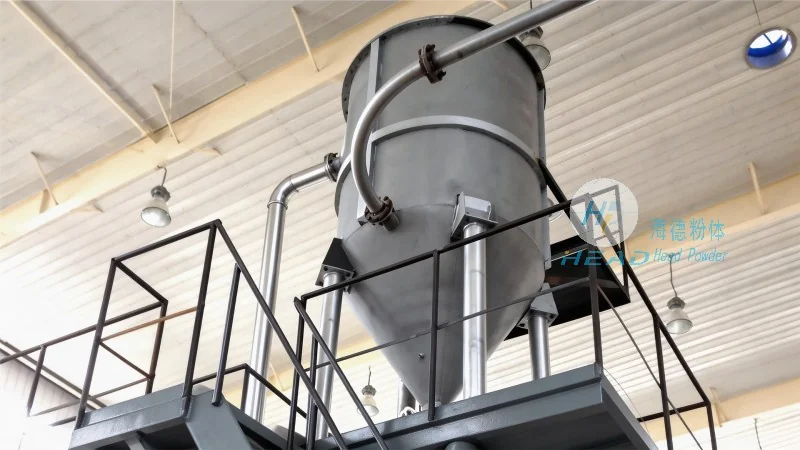
Key Features of Anhydrous Aluminum Chloride Powder Handling Systems
HeadPowder's anhydrous aluminum chloride powder handling systems are distinguished by several critical features that enhance performance and safety. Firstly, the systems are constructed from corrosion-resistant materials, such as stainless steel or specialized alloys, to withstand the chemical's aggressive nature and prevent degradation over time. Secondly, the design incorporates advanced sealing technologies, including double-seal mechanisms and O-ring seals, to ensure airtight operation and prevent contamination or leakage. Thirdly, the systems are equipped with real-time monitoring and control capabilities, allowing operators to track temperature, pressure, and flow rates continuously, which is essential for maintaining the material's stability. Additionally, the equipment is engineered for minimal material loss, with features like low-friction surfaces and optimized conveyor angles to reduce attrition and dust generation. Finally, the systems are customizable to meet specific operational requirements, including varying throughput capacities and integration with existing production lines.
Applications and Industry Relevance
Anhydrous aluminum chloride is widely used in the chemical industry, particularly in the production of aluminum salts, organic compounds, and as a catalyst in various processes. The efficient handling of this material is crucial for maintaining production efficiency and product quality. HeadPowder's systems are deployed in numerous industrial settings, from chemical manufacturing plants to research and development facilities, where the need for reliable, safe powder transport is paramount. By addressing the unique challenges posed by anhydrous aluminum chloride, these systems contribute to improved operational safety, reduced downtime, and enhanced overall productivity in the industry.
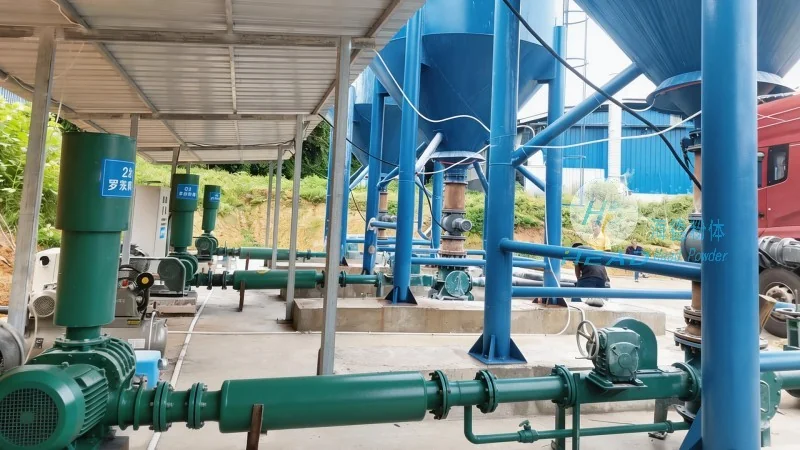
Conclusion
In summary, the working principle of anhydrous aluminum chloride powder handling systems, as exemplified by HeadPowder's solutions, focuses on maintaining the chemical's integrity through sealed, controlled environments and advanced material handling technologies. The key characteristics of these systems, including corrosion resistance, robust sealing, real-time monitoring, and customization, ensure safe and efficient transport of this reactive material. For industries relying on anhydrous aluminum chloride, investing in such specialized handling systems is essential for operational success and compliance with safety standards. Shandong HeadPowder Engineering Co., Ltd. continues to lead in this domain, providing innovative solutions that meet the evolving needs of the chemical industry.