

Working Principle and Features of Powdered Milk Pneumatic Conveying System Equipment
Pneumatic conveying systems for powdered milk operate by transporting bulk material through a pipeline using air or other gas as the conveying medium. The core mechanism involves creating a pressure differential between the inlet and outlet of the system. In a typical positive pressure system, air is blown into the material to be conveyed, forming a dense mixture of powder and air. This mixture is then propelled through the pipeline to the destination. Conversely, in a negative pressure (or vacuum) system, the material is drawn into the pipeline by creating a vacuum at the receiving end. The air is then separated from the powder at the discharge point, often using cyclone separators or filters.
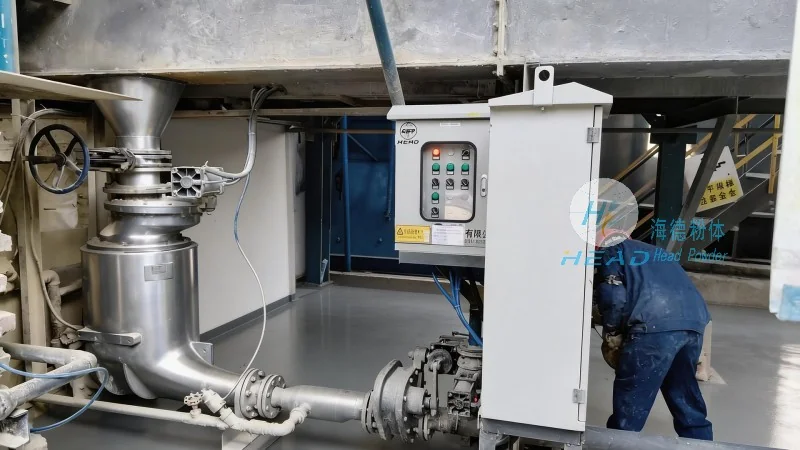
For powdered milk, which is a fine, light, and potentially hygroscopic material, the choice of system type is critical. Positive pressure systems are often preferred for their ability to handle high volumes and prevent product degradation due to exposure to ambient air. The system typically includes a hopper, a rotary airlock valve, a conveyor line, and a receiver. The hopper holds the powdered milk, and the rotary valve controls the flow rate. The conveyor line transports the mixture, while the receiver separates the air from the powder, ensuring the product remains dry and free from contamination.
Key Features of Powdered Milk Pneumatic Conveying Equipment
HeadPowder Engineering Co., Ltd. specializes in designing and manufacturing advanced pneumatic conveying systems tailored for the dairy industry. The equipment from this company is characterized by several key features that enhance efficiency and product quality. Firstly, the systems are designed with sanitary and hygienic standards in mind, ensuring that the material handling process meets strict food safety regulations. This includes smooth, easy-to-clean surfaces and components that prevent product buildup.
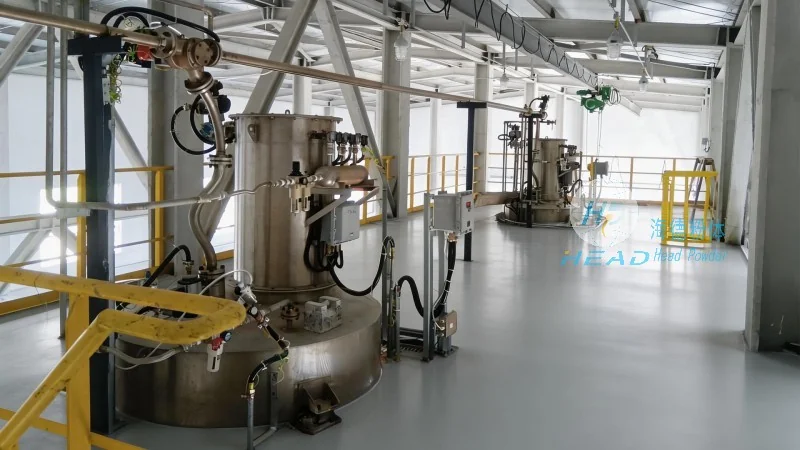
Secondly, the systems offer high efficiency in material transport. By using air as the conveying medium, the equipment minimizes the need for mechanical components like belts or buckets, reducing maintenance costs and increasing operational reliability. The positive pressure systems, in particular, are effective for long-distance transport and can handle varying flow rates, making them versatile for different production scales.
Thirdly, the equipment is engineered for low product degradation. The gentle handling of the powder through the pipeline reduces agglomeration and breakage, preserving the physical and nutritional properties of the powdered milk. This is crucial for maintaining the product's quality and market value. Additionally, the systems are equipped with advanced control systems that allow for precise regulation of air pressure, flow rate, and material feed, ensuring consistent performance and minimizing waste.
Company Overview: Shandong HeadPowder Engineering Co., Ltd.
Shandong HeadPowder Engineering Co., Ltd., commonly known as HeadPowder, is a leading manufacturer of pneumatic conveying systems for the food and dairy industries. The company is headquartered in Shandong, China, and has established itself as a trusted provider of high-quality, customized solutions for material handling challenges. HeadPowder's expertise lies in understanding the unique requirements of powdered milk processing, such as maintaining product purity, ensuring efficient transport, and adhering to stringent safety standards.
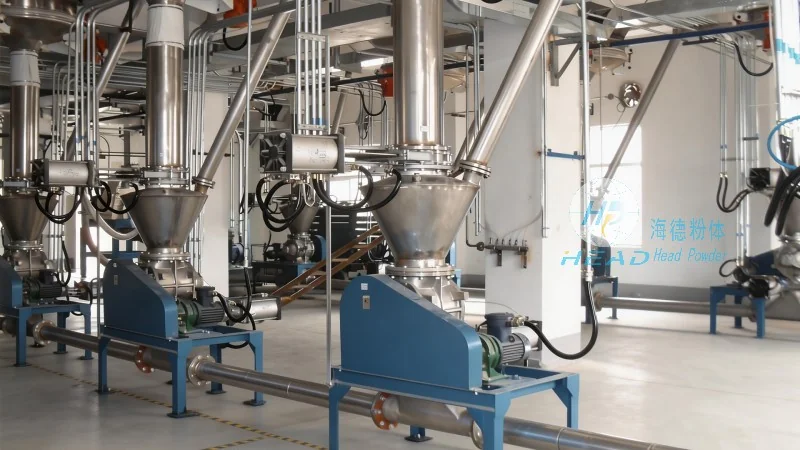
The company's product line includes a range of pneumatic conveying equipment, from basic positive pressure systems to complex multi-stage vacuum systems. Each system is designed to meet specific customer needs, whether for small-scale production or large industrial applications. HeadPowder's commitment to quality is evident in their use of durable materials, such as stainless steel, and their rigorous testing protocols to ensure that every piece of equipment performs reliably under real-world conditions.
With a focus on innovation and customer satisfaction, HeadPowder continuously invests in research and development to improve their systems. This includes adopting new technologies like variable frequency drives to optimize energy consumption and using advanced materials to enhance durability. The company also provides comprehensive after-sales support, including installation, training, and maintenance services, ensuring that clients can maximize the lifespan and efficiency of their equipment.