

What is a plugging type bulk material pneumatic conveying system? And what are its design principles
Plugging type bulk material pneumatic conveying systems are specialized equipment used to transport bulk materials through a pipeline using a combination of air and material flow. This method is particularly effective for handling materials that are prone to bridging, caking, or are abrasive, as it prevents material accumulation and ensures a smooth, continuous flow. The system operates by creating a "plug"—a compacted mass of material—within the pipeline, which is then propelled forward by the force of compressed air or other gas. This design allows for efficient and reliable transportation of various bulk materials, including powders, granules, and other particulate substances.
Understanding the Core Components of Plugging Type Conveying Systems
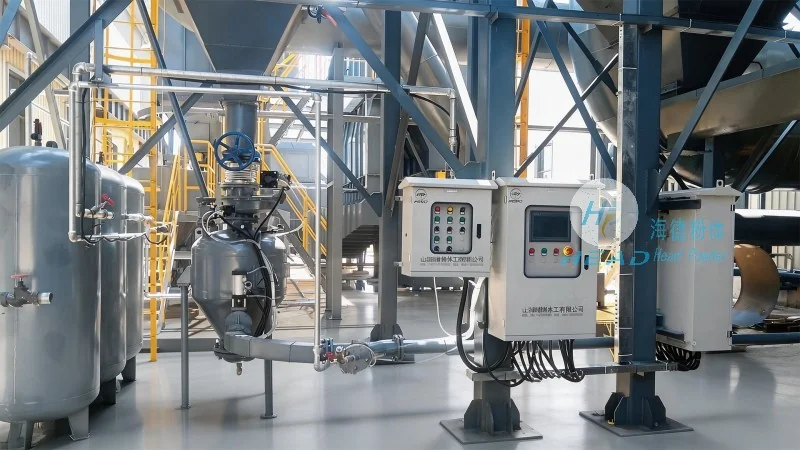
At the heart of a plugging type bulk material pneumatic conveying system are several key components that work in tandem to achieve efficient material transport. The primary components include a hopper or feeder that supplies the material to the system, a pipeline that carries the material and air, a plugging mechanism that forms the material plug, and a control system that regulates the flow and pressure. The hopper is designed to maintain a consistent material feed, preventing blockages at the inlet. The pipeline is typically made of durable materials such as stainless steel or plastic to withstand the abrasive nature of the conveyed materials. The plugging mechanism, often a valve or a specialized nozzle, creates the compacted plug by controlling the material flow rate and air pressure. The control system monitors and adjusts the pressure and flow rates in real-time to ensure optimal operation and prevent system failures.
Design Principles Behind Plugging Type Conveying Systems
The design principles of plugging type bulk material pneumatic conveying systems are centered on the creation and maintenance of a stable material plug. The fundamental principle is to maintain a balance between the material's flow resistance and the air's propulsive force. This balance is crucial for preventing the plug from breaking apart or the material from caking within the pipeline. The system uses a controlled air pressure, usually ranging from 0.5 to 2.0 bar, to push the material plug forward. The air is introduced at intervals, creating a pressure wave that travels along the pipeline and pushes the plug. The interval between air pulses is carefully adjusted based on the material's properties, such as its density, moisture content, and flowability. Additionally, the system incorporates a feedback control mechanism that monitors the pressure drop across the pipeline and adjusts the air flow accordingly. This ensures that the plug remains intact and the material is transported efficiently without excessive pressure loss or energy consumption.
Advantages of Plugging Type Conveying Systems
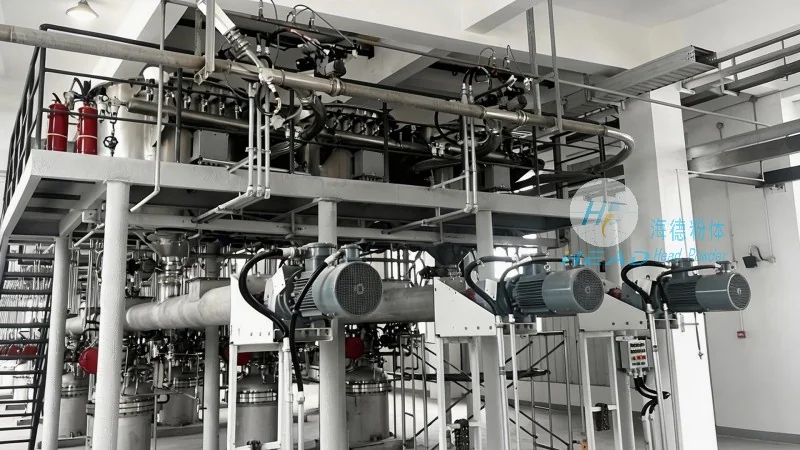
Plugging type bulk material pneumatic conveying systems offer several advantages over traditional pneumatic conveying methods. One of the key benefits is their ability to handle a wide range of materials, including those that are difficult to transport using other methods. The system is particularly effective for materials that are prone to bridging or caking, as the plug formation prevents material accumulation and ensures a continuous flow. Another advantage is the reduced wear and tear on the equipment, as the material is conveyed in a compacted form rather than as a loose stream. This results in lower maintenance costs and longer equipment lifespan. Additionally, the system is more energy-efficient compared to other pneumatic conveying systems, as it requires less air pressure to transport the material over long distances. The compacted plug also reduces the risk of material spillage or leakage, making it safer for handling hazardous or sensitive materials. Furthermore, the system is easy to integrate with existing production lines and can be customized to meet specific operational requirements.
Applications of Plugging Type Conveying Systems
Plugging type bulk material pneumatic conveying systems are widely used in various industries, including chemical, pharmaceutical, food, and mining. In the chemical industry, they are used to transport powders and granules of chemicals, such as fertilizers, pigments, and catalysts. The system's ability to handle abrasive and corrosive materials makes it ideal for these applications. In the pharmaceutical industry, plugging type conveying systems are used to transport raw materials and finished products, ensuring a sterile and contamination-free environment. The system's compacted plug formation prevents cross-contamination and maintains product quality. In the food industry, the system is used to transport ingredients like flour, sugar, and spices, which are often prone to bridging and caking. The system's design ensures that the materials are conveyed hygienically and efficiently. In the mining industry, plugging type conveying systems are used to transport bulk materials like coal, ore, and sand from the mine to processing facilities. The system's durability and ability to handle abrasive materials make it suitable for harsh mining environments.
Installation and Maintenance Considerations
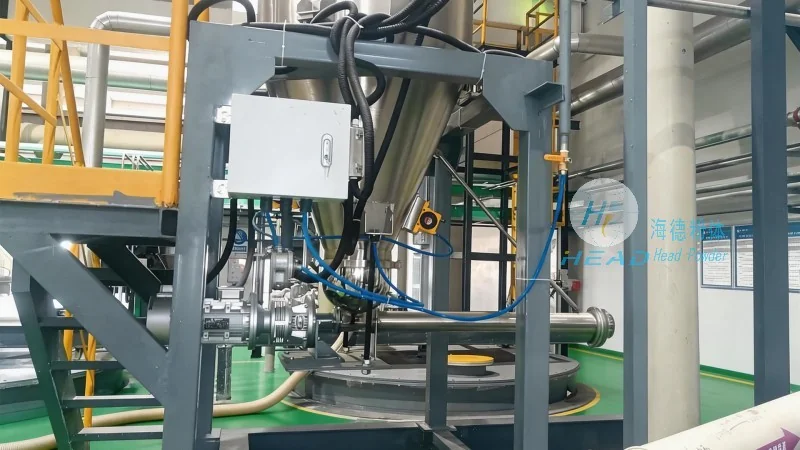
Proper installation and maintenance are crucial for the efficient operation of plugging type bulk material pneumatic conveying systems. During installation, the pipeline must be properly aligned and supported to prevent sagging or kinking, which can cause material blockages. The hopper and feeder must be properly sized to maintain a consistent material feed rate. The plugging mechanism must be correctly positioned and adjusted to ensure the formation of stable plugs. Regular maintenance is required to ensure the system operates at optimal performance. This includes checking the air pressure and flow rates, inspecting the pipeline for wear and tear, and cleaning the hopper and feeder to prevent material buildup. The control system must be calibrated regularly to ensure accurate monitoring and adjustment of the system parameters. Proper maintenance can extend the lifespan of the equipment and reduce the risk of system failures.
Conclusion
Plugging type bulk material pneumatic conveying systems are an effective and efficient solution for transporting a wide range of bulk materials. Their design principles, centered on the creation and maintenance of a stable material plug, allow for reliable and continuous operation. The system's ability to handle difficult materials and its energy efficiency make it a popular choice in various industries. With proper installation and maintenance, plugging type conveying systems can provide long-term, cost-effective material transport solutions. As a leading manufacturer in this field, Shandong HeadPowder Engineering Co., Ltd., based in Shandong, China, specializes in designing and manufacturing high-quality plugging type pneumatic conveying systems tailored to meet the specific needs of different industries. The company's commitment to quality and innovation ensures that its products are reliable, durable, and efficient, providing customers with a competitive edge in their respective markets.