

Battery Lithium Nanomaterial Delivery Methods: Exploring Efficient Transport Solutions
When it comes to the efficient and reliable delivery of lithium nanomaterials for battery applications, the choice of transport method plays a critical role in ensuring optimal performance and longevity of the final product. As a leading provider in the field, Shandong HeadPowder Engineering Co., Ltd. (hereinafter referred to as HeadPowder) understands the importance of selecting the most suitable delivery approach for different nanomaterial types and battery manufacturing processes. This article explores several key delivery methods used in the industry, highlighting their applications and benefits.
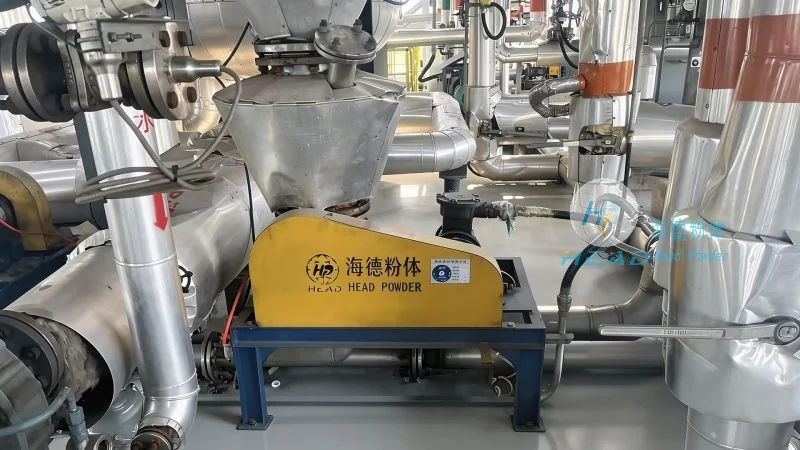
1. Mechanical Conveying Systems: Traditional and Reliable Options
One of the most common and traditional methods for transporting lithium nanomaterials is through mechanical conveying systems. These systems typically include screw conveyors, belt conveyors, and pneumatic conveying equipment. Screw conveyors are particularly effective for handling dry powders and granules, as they can transport materials vertically or horizontally with minimal segregation. Belt conveyors, on the other hand, are ideal for bulk material handling and can be integrated with other processing equipment to streamline production lines. Pneumatic conveying systems use air or other gases to move powders through pipes, offering advantages such as low maintenance and the ability to transport materials over long distances. HeadPowder specializes in designing and manufacturing customized mechanical conveying solutions that meet the specific requirements of battery manufacturers, ensuring consistent material flow and minimal loss during transport.
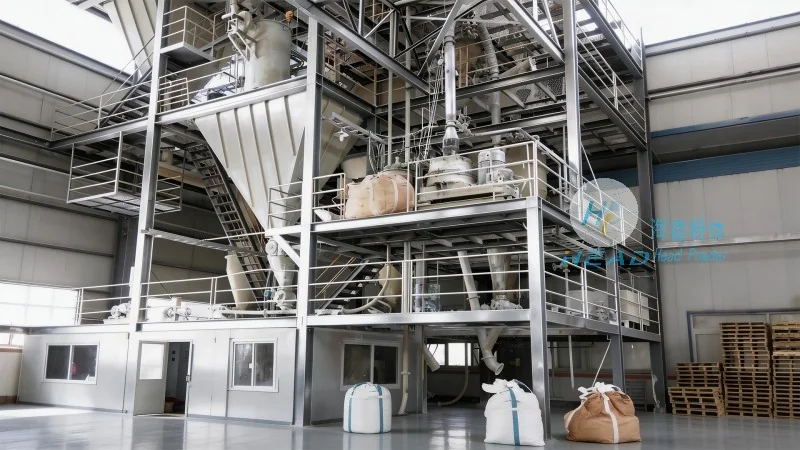
2. Fluidized Bed Transport: Enhancing Material Handling Efficiency
Fluidized bed transport is another advanced method that has gained popularity in the lithium battery nanomaterial industry. This technique involves suspending the nanomaterial particles in a fluid (usually air or gas) to create a fluidized state, which allows for uniform mixing and transport. Fluidized bed systems are particularly useful for handling fine powders that are prone to agglomeration or caking. By maintaining a consistent fluidization condition, these systems can ensure that the nanomaterials remain well-dispersed and free-flowing, reducing the risk of blockages and improving overall processing efficiency. HeadPowder has developed specialized fluidized bed conveyors that are equipped with advanced control systems to optimize the fluidization process, ensuring that the nanomaterials are delivered to the next stage of the battery manufacturing process with high purity and minimal contamination.
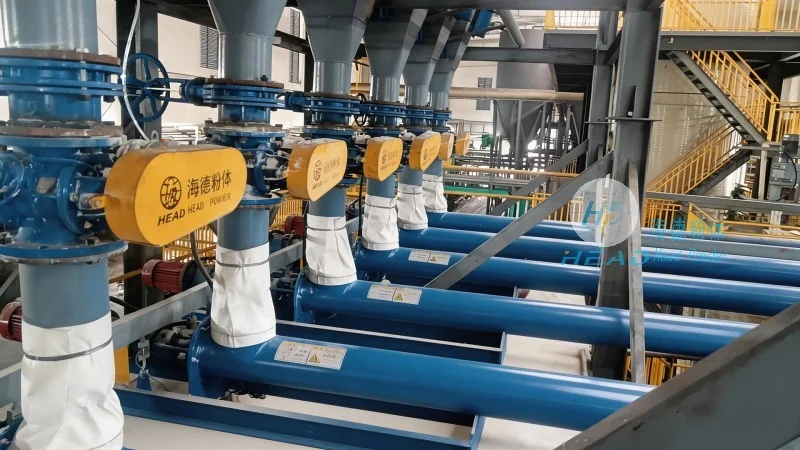
3. Vacuum Conveying: Precision and Clean Delivery Solutions
Vacuum conveying is a highly effective method for transporting sensitive lithium nanomaterials, especially those that are hygroscopic or prone to oxidation. This technique uses a vacuum to draw the material through a closed system, which helps to maintain a controlled environment and prevent exposure to air or moisture. Vacuum conveyors are often used in applications where material purity is critical, such as in the production of high-performance lithium batteries. The closed system design also minimizes dust generation and ensures that the nanomaterials are delivered in a clean and controlled manner. HeadPowder's vacuum conveying systems are designed with high-quality materials and advanced filtration to meet the stringent requirements of battery manufacturers, ensuring that the nanomaterials are delivered with minimal contamination and optimal performance.
4. Air-Liquid Two-Phase Conveying: Balancing Efficiency and Control
Air-liquid two-phase conveying combines the benefits of pneumatic and liquid conveying systems, offering a versatile solution for transporting lithium nanomaterials. In this method, the nanomaterial particles are suspended in a liquid (such as water or a carrier fluid) and then transported using air pressure. This approach is particularly useful for handling materials that are difficult to convey using traditional methods, such as sticky or cohesive powders. The two-phase system allows for better control over the material flow and can reduce the risk of material degradation or agglomeration. HeadPowder has developed innovative air-liquid two-phase conveyors that are equipped with adjustable parameters to optimize the transport process, ensuring that the nanomaterials are delivered with high efficiency and minimal loss.
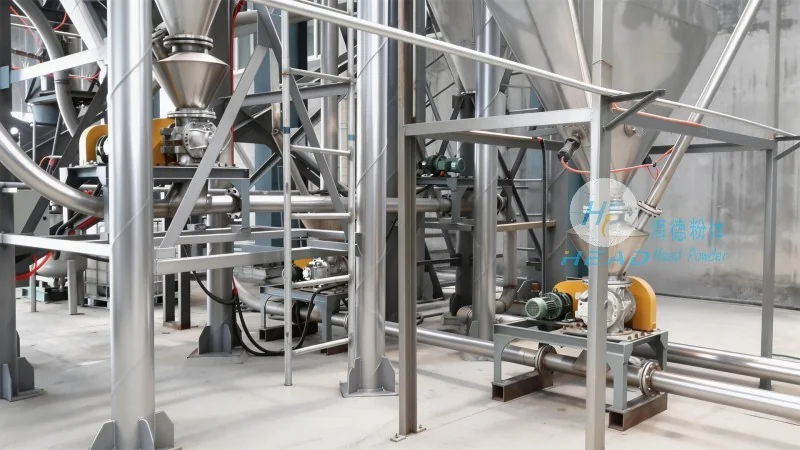
5. Conclusion: Choosing the Right Delivery Method for Lithium Battery Nanomaterials
Selecting the appropriate delivery method for lithium battery nanomaterials is a critical decision that can significantly impact the performance and quality of the final battery product. Mechanical conveying systems offer reliability and simplicity, while fluidized bed and vacuum conveying provide advanced control and precision. Air-liquid two-phase conveying offers a versatile solution for challenging materials. As a leading provider in the industry, Shandong HeadPowder Engineering Co., Ltd. specializes in designing and manufacturing customized delivery systems that meet the specific needs of battery manufacturers. By understanding the unique properties of each nanomaterial and the requirements of the battery manufacturing process, HeadPowder can help clients choose the most suitable delivery method to ensure efficient, reliable, and high-quality material transport. Whether it's for traditional battery production or advanced lithium-ion battery applications, HeadPowder's expertise in nanomaterial delivery ensures that clients receive the best possible solutions for their battery manufacturing needs.