

What is a Fine Chemical Powder Pneumatic Conveying System? And What Are Its Design Principles?
Understanding Fine Chemical Powder Pneumatic Conveying Systems: An Overview of Design Principles
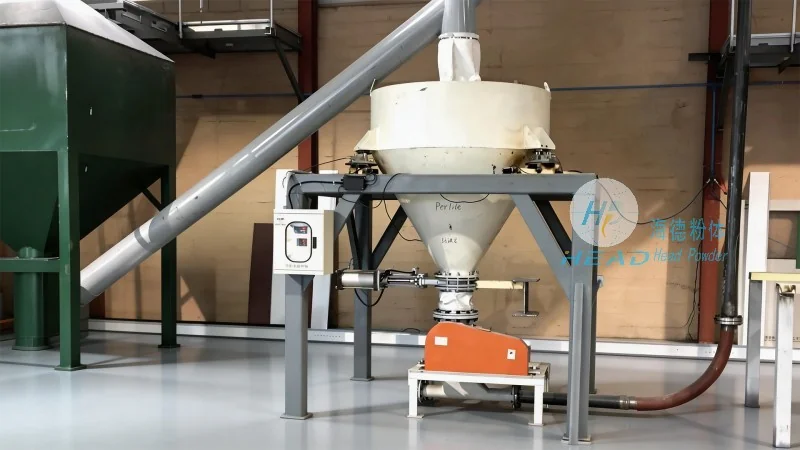
Fine chemical powder pneumatic conveying systems are specialized equipment used to transport fine powders, such as those used in the chemical, pharmaceutical, and food industries. These systems are designed to handle materials with high moisture content, abrasive properties, or sensitivity to air exposure, ensuring efficient and safe material transfer. The core of such systems lies in the pneumatic conveying technology, which uses air or gas to move powders through pipelines.
As a leading provider in this field, Shandong HeadPowder Engineering Co., Ltd., commonly known as HeadPowder, specializes in the design, manufacturing, and installation of advanced pneumatic conveying solutions. With a strong focus on precision and reliability, HeadPowder has established itself as a trusted partner for businesses requiring high-quality powder handling systems.
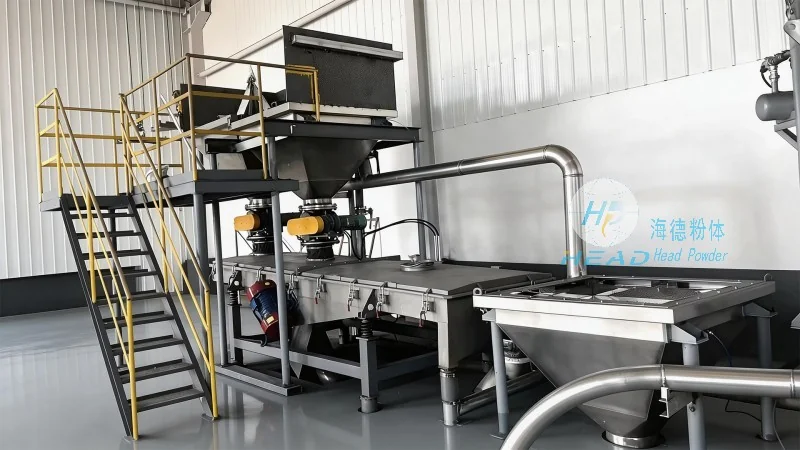
The design principles of fine chemical powder pneumatic conveying systems involve several key components and operational mechanisms. The system typically includes a material feed hopper, a conveying line (often with multiple sections like dilute-phase or dense-phase), a gas source (such as a blower or compressor), and a dust collection system. The feed hopper ensures a consistent material flow, while the conveying line transports the powder using pressurized air. The gas source provides the necessary pressure to move the material, and the dust collection system captures any particles that may escape, maintaining air quality and preventing contamination.
Pneumatic conveying systems can be categorized into two main types: suction (or vacuum) systems and pressure systems. Suction systems use a vacuum to draw material from a source, while pressure systems use compressed air to push material forward. For fine chemicals, pressure systems are often preferred due to their ability to handle sensitive materials without exposing them to atmospheric conditions for extended periods.
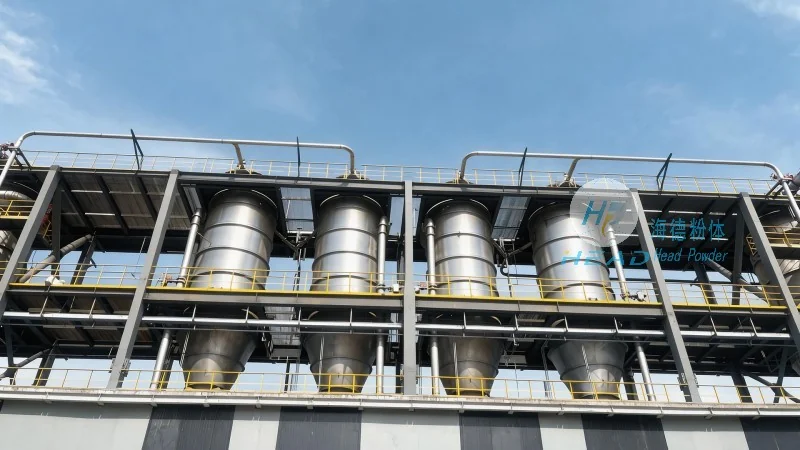
Designing a fine chemical powder pneumatic conveying system requires careful consideration of several factors, including the material's properties (e.g., particle size, density, moisture content), the required conveying distance and capacity, and the environmental regulations. Engineers at HeadPowder conduct thorough material analysis and process simulations to determine the optimal system configuration, ensuring efficiency and compliance with industry standards.
These systems offer several advantages over traditional mechanical conveying methods. They are capable of transporting materials over long distances without the need for multiple transfer points, reducing the risk of material degradation. Additionally, pneumatic conveying systems can handle materials with varying flow characteristics, including cohesive or sticky powders, by adjusting the air pressure and flow rate. The enclosed pipeline design also minimizes dust exposure, enhancing workplace safety and environmental protection.
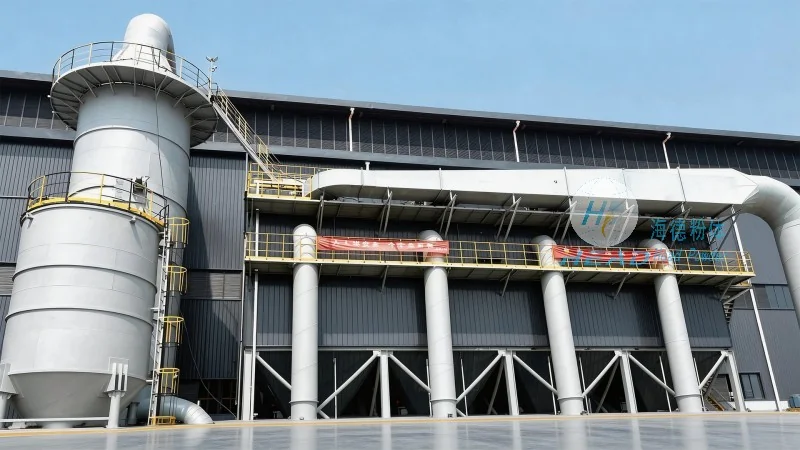
Fine chemical powder pneumatic conveying systems are widely used in industries such as pharmaceuticals, food processing, and chemical manufacturing. For example, in pharmaceutical production, these systems are used to transport active pharmaceutical ingredients (APIs) and excipients, ensuring precise dosing and preventing contamination. In the food industry, they are employed to handle powders like sugar, flour, and spices, maintaining product quality and hygiene.
Shandong HeadPowder Engineering Co., Ltd. is located in Shandong, China, and serves clients globally with customized pneumatic conveying solutions. The company's commitment to innovation and quality has made it a leader in the fine chemical powder handling sector, providing reliable and efficient systems that meet the diverse needs of modern industries.