

What is a Rare Earth Crystal Powder Material Handling System Equipment? What is its Design Principle
Rare earth crystal powders are critical components in modern industrial applications, ranging from electronics to renewable energy technologies. Efficient handling and transportation of these powders are essential to maintain product quality and operational efficiency. This article explores the rare earth crystal powder material handling system equipment, detailing its design principles and the engineering solutions provided by Shandong HeadPowder Engineering Co., Ltd.
The Role of Material Handling in Rare Earth Processing
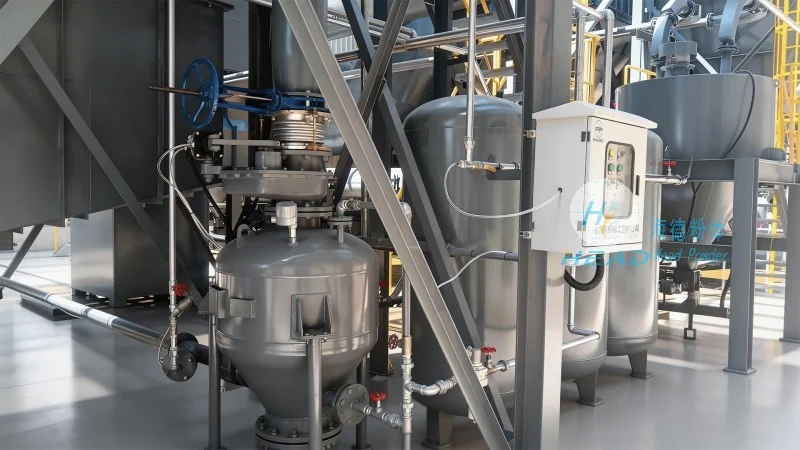
In the processing of rare earth crystal powders, material handling systems play a pivotal role. These systems are responsible for transporting powders from one stage of production to another, ensuring a seamless workflow. The primary challenges in handling such materials include preventing contamination, maintaining particle integrity, and controlling dust emissions. Advanced material handling equipment addresses these challenges through specialized design features.
Company Overview: Shandong HeadPowder Engineering Co., Ltd.
Shandong HeadPowder Engineering Co., Ltd., commonly known as HeadPowder, is a leading manufacturer specializing in engineering solutions for powder handling and processing. With a focus on innovation and precision, the company has developed a range of equipment tailored to the unique requirements of rare earth crystal powder applications. HeadPowder's expertise lies in integrating mechanical, pneumatic, and automated systems to deliver reliable and efficient material handling solutions.
Design Principles of the Material Handling Equipment
The design of rare earth crystal powder material handling systems adheres to several key principles to ensure optimal performance. These principles include:
- **Containment and Dust Control**: To prevent environmental contamination and protect the powder's purity, systems incorporate sealed enclosures and filtration systems.
- **Particle Integrity Preservation**: Gentle handling mechanisms, such as low-speed conveyors and vibration-free transport, are used to avoid agglomeration or degradation of the powder particles.
- **Efficient Material Flow**: The layout and components are optimized to minimize material residence time and maximize throughput, enhancing overall production efficiency.
- **Safety and Compliance**: All equipment is designed to meet industrial safety standards and regulatory requirements, ensuring a secure working environment.
Key Components and Their Functions
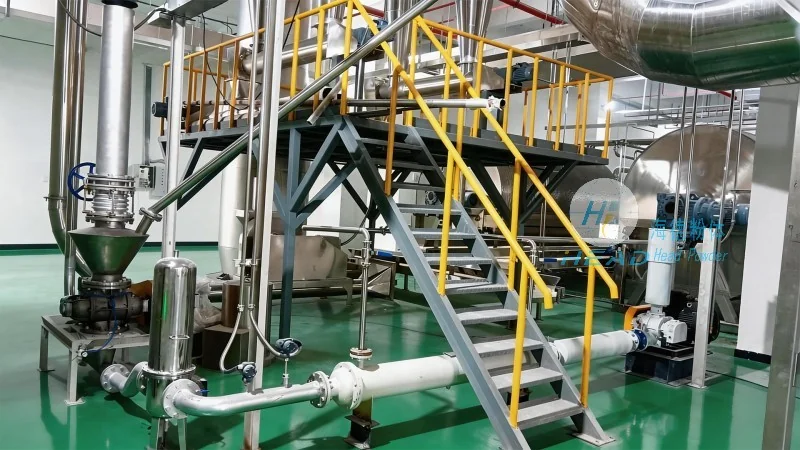
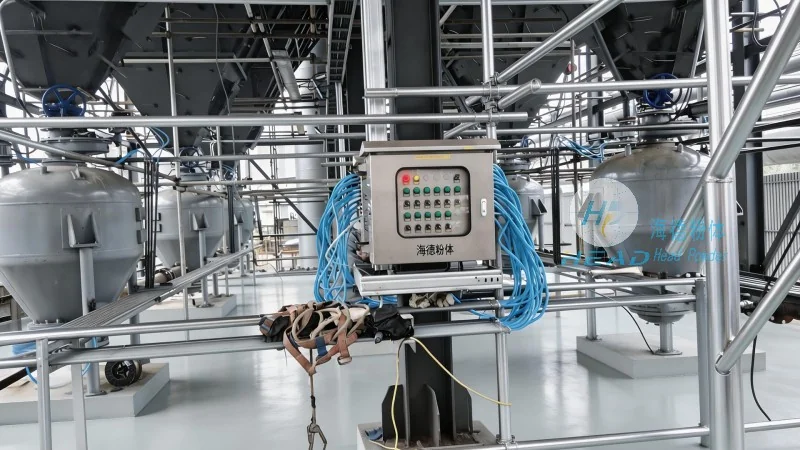
The rare earth crystal powder material handling system typically consists of several interconnected components, each serving a specific function:
- **Hopper and Feeder**: The hopper stores the powder and the feeder regulates the flow rate into the conveyor system. This ensures a consistent supply of material without overloading the downstream equipment.
- **Conveyor System**: Depending on the application, conveyors may include screw conveyors, belt conveyors, or pneumatic transport systems. These systems transport the powder horizontally or vertically while maintaining particle integrity.
- **Dust Collection and Filtration**: Integrated dust collection systems capture airborne particles, preventing contamination and ensuring compliance with environmental regulations. High-efficiency filters are used to maintain air quality.
- **Control and Monitoring Systems**: Advanced control panels allow operators to monitor the system's performance, adjust parameters, and receive alerts for any deviations or maintenance needs.
Application Scenarios and Operational Benefits
The rare earth crystal powder material handling systems from HeadPowder are widely used in various industrial settings, including:
- **Electronics Manufacturing**: For the transport of rare earth powders used in magnetic components and catalysts.
- **Renewable Energy Production**: In the processing of materials for wind turbine and solar panel components.
- **Research and Development Labs**: For handling small quantities of rare earth powders in experimental setups.
The operational benefits of these systems include:
- **Enhanced Product Quality**: By maintaining powder purity and preventing contamination, the final products meet stringent quality standards.
- **Increased Efficiency**: Optimized material flow and reduced downtime lead to higher production throughput.