

What is a Seaweed Residue Granular Material Conveying Line? What are its Design Principles?
Seaweed residue, a byproduct from various marine processing activities, often presents challenges in handling and transportation due to its granular nature and moisture content. To address these challenges, specialized conveying systems have been developed, particularly the seaweed residue granular material conveying line. This equipment is engineered by Shandong HeadPowder Engineering Co., Ltd. to efficiently transport and process seaweed residue, ensuring optimal material flow and minimal loss. The following article explores the concept of this conveying line and delves into its fundamental design principles.
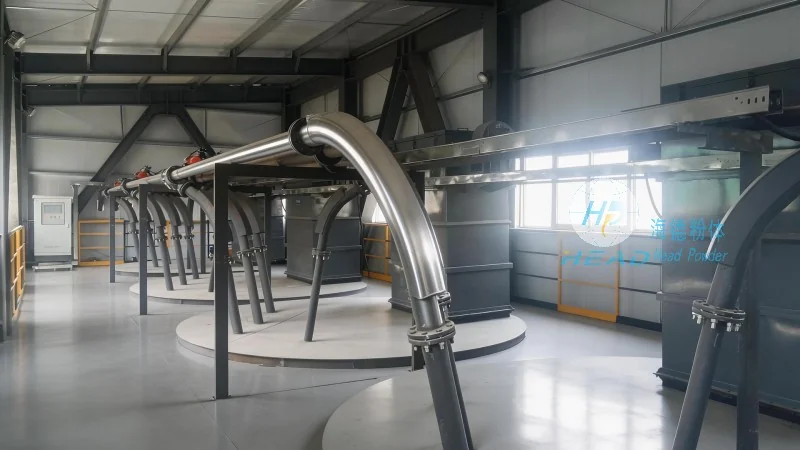
Introduction to Seaweed Residue Granular Material Conveying Lines
Seaweed residue granular material conveying lines are industrial systems designed to handle and transport granular materials derived from seaweed processing. These systems are crucial in the marine biotechnology and waste management sectors, where the efficient handling of seaweed residue is essential for resource recovery and environmental sustainability. The primary function of such a line is to move seaweed residue from one processing stage to another, such as from a drying or grinding unit to a storage or further processing facility. The equipment typically consists of components like feeders, conveyors, and control systems, all integrated to ensure smooth and continuous material movement.
Key Components and Functionality of the Conveying Line
The seaweed residue granular material conveying line comprises several key components that work in tandem to achieve effective material transport. The first component is the material feeder, which is responsible for uniformly feeding the granular seaweed residue into the conveyor system. This feeder may be a screw feeder, a vibratory feeder, or a belt feeder, depending on the specific characteristics of the seaweed residue, such as its moisture content and particle size. The feeder ensures that the material is introduced at a consistent rate, preventing blockages and maintaining the flow rate required for downstream processes.
Next, the conveyor itself is a critical component. Common types of conveyors used in these systems include belt conveyors, screw conveyors, and pneumatic conveyors. Belt conveyors are widely used due to their ability to handle a wide range of material types and sizes, including wet or sticky granular materials. Screw conveyors are also popular, especially for materials with higher moisture content, as they can mix and transport the material while maintaining a consistent flow. Pneumatic conveyors, or air slides, are used for lighter, more powdery residues, where air pressure is used to move the material through a pipeline.
Control systems are another essential part of the conveying line. These systems monitor and regulate the flow rate, speed, and pressure within the system, ensuring that the material is transported efficiently and safely. Sensors and indicators are often integrated into the control panel to provide real-time feedback on the system's performance, allowing operators to make adjustments as needed. This automation helps to minimize downtime and maximize the overall efficiency of the conveying process.
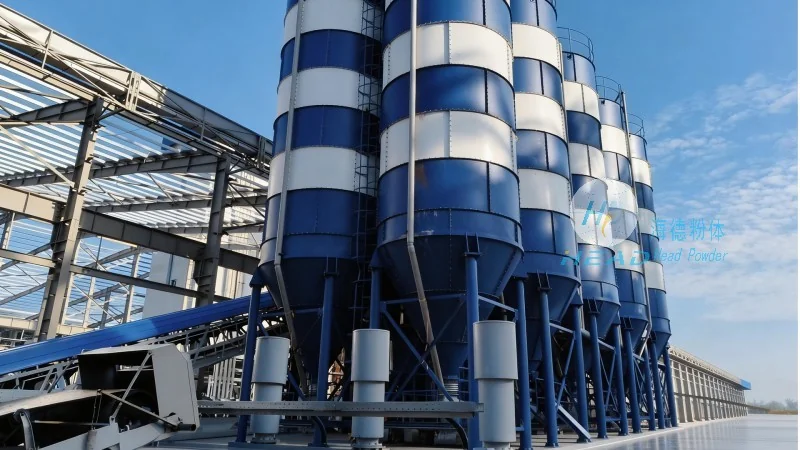
Design Principles Behind the Conveying Line
The design of a seaweed residue granular material conveying line is based on several key principles that ensure its effectiveness and reliability. The first principle is the principle of continuous flow. The system is designed to maintain a continuous and uniform flow of material, which minimizes the risk of blockages and ensures that the downstream processes receive a consistent supply of seaweed residue. This is achieved through the use of appropriate feeders and conveyors that can handle the specific characteristics of the granular material.
The second principle is the principle of material compatibility. The conveying line is designed to be compatible with the specific properties of seaweed residue, such as its moisture content, particle size distribution, and chemical composition. This involves selecting materials for the conveyor components that are resistant to corrosion and wear, as seaweed residue can be acidic or contain abrasive particles. For example, stainless steel or special alloys may be used for the conveyor belts and screws to prevent degradation over time.
The third principle is the principle of energy efficiency. The design aims to minimize energy consumption while maximizing the conveying capacity. This is achieved through the use of efficient motors, variable speed drives, and optimized conveyor designs. The control systems also play a role in energy efficiency by adjusting the speed of the conveyor based on the actual material flow rate, rather than running at a constant speed.
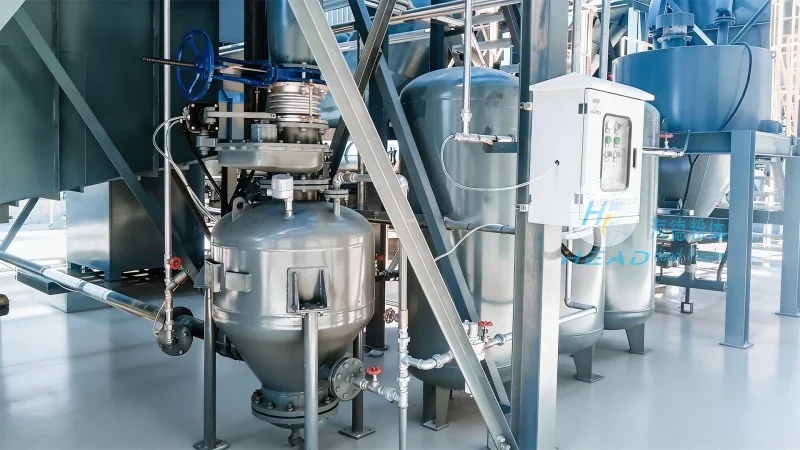
The fourth principle is the principle of safety and maintenance. The conveying line is designed with safety features to protect operators and prevent accidents. These may include emergency stop buttons, safety guards, and monitoring systems that alert operators to any potential issues. Additionally, the design considers ease of maintenance, with components that are easily accessible and replaceable. This helps to reduce downtime and maintenance costs, ensuring the long-term reliability of the system.
Applications and Benefits of the Conveying Line
Seaweed residue granular material conveying lines are used in a variety of applications within the marine processing industry. One primary application is in the production of biofuels, where seaweed residue is used as a feedstock. The conveying line ensures that the residue is efficiently transported from the drying or grinding stage to the fermentation or processing unit. Another application is in the production of animal feed, where the residue is mixed with other ingredients to create a high-quality feed product. The conveying line also plays a role in waste management, helping to transport seaweed residue from processing facilities to disposal or recycling sites.
The benefits of using a seaweed residue granular material conveying line are numerous. First, it improves the efficiency of the processing operation by ensuring a consistent and continuous flow of material. This reduces downtime and increases the overall throughput of the facility. Second, it enhances safety by minimizing the risk of manual handling of the granular material, which can be dusty or have sharp edges. Third, it reduces energy consumption by optimizing the conveyor speed and flow rate. Finally, it improves the quality of the final product by ensuring that the seaweed residue is handled gently and without degradation, preserving its nutritional or chemical properties.
Conclusion
In conclusion, the seaweed residue granular material conveying line is a critical piece of equipment in the marine processing industry. It is designed to efficiently handle and transport granular seaweed residue, ensuring optimal material flow and minimal loss. The design principles behind this equipment focus on continuous flow, material compatibility, energy efficiency, and safety. By incorporating these principles, the conveying line provides significant benefits to processing facilities, including increased efficiency, improved safety, and reduced energy consumption. As the demand for seaweed residue processing grows, the importance of such conveying systems will continue to increase, making them a vital component of sustainable marine resource management.