

Methods of Polyolefin Conveyance
When it comes to the efficient and reliable transportation of polyolefins, selecting the right conveyance method is crucial for industrial operations. Polyolefins, which include materials like polyethylene and polypropylene, are widely used in various sectors due to their versatility and cost-effectiveness. The choice of conveyance method depends on factors such as material properties, production scale, and the specific requirements of the application. In this article, we will explore the primary methods used for polyolefin conveyance, highlighting their advantages and typical applications.
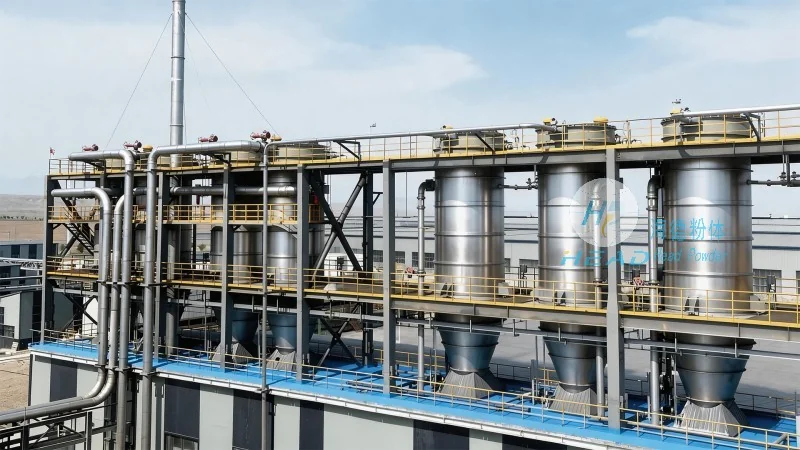
1. Pneumatic Conveying Systems
Pneumatic conveying is a popular method for transporting polyolefins, especially in applications where dust control and minimal product degradation are priorities. This system uses compressed air to move polyolefin particles through a pipeline. There are two main types of pneumatic conveying: pressure and vacuum systems. Pressure systems are suitable for short-distance transport and can handle a wide range of particle sizes, while vacuum systems are ideal for longer distances and require lower air pressure. The key components of a pneumatic conveying system include a hopper, a conveyor line, and a dust collector. The hopper stores the polyolefin material, and the conveyor line transports it through the system. The dust collector ensures that any airborne particles are captured and returned to the system, maintaining a clean and safe working environment. Pneumatic conveying is particularly effective for handling fine powders and granules, as it minimizes product breakage and contamination. This method is widely used in the plastics industry for transporting raw materials to processing equipment.
2. Belt Conveyors
Belt conveyors are a classic and widely adopted method for polyolefin conveyance, especially in bulk material handling scenarios. These systems consist of a continuous loop of material (usually rubber or synthetic) that moves over rollers or pulleys. The belt is driven by a motor, and the material is placed on the belt at one end, where it is carried to the discharge point. Belt conveyors are highly efficient for transporting large volumes of polyolefins over short to medium distances. They are particularly suitable for handling granular or pelletized materials, as the belt can accommodate various sizes without causing damage. The design of belt conveyors allows for easy integration with other processing equipment, such as mixers or extruders. This makes them a preferred choice in manufacturing facilities where continuous material flow is essential. Belt conveyors also offer the advantage of being able to transport materials at a consistent speed, ensuring smooth operation and reducing downtime. However, they may not be as effective for fine powders, as the belt can cause some product segregation or dust generation.
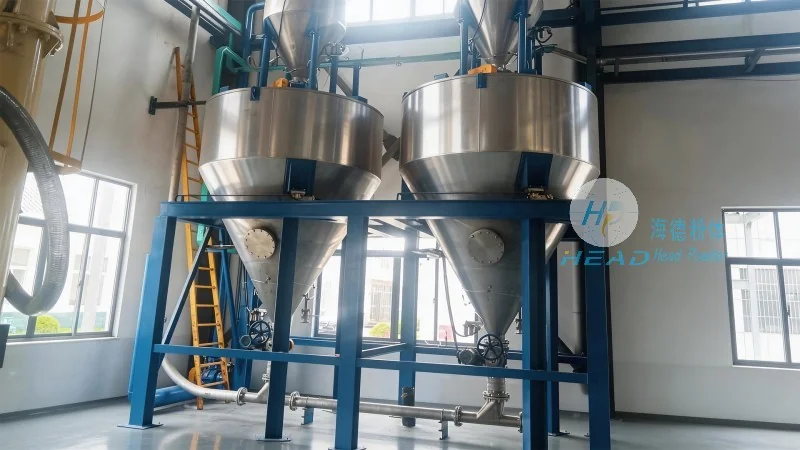
3. Screw Conveyors
Screw conveyors, also known as auger conveyors, are another common method for transporting polyolefins. These systems use a rotating screw (auger) to move material along a tube or trough. The screw is driven by a motor, and the material is fed into one end of the conveyor. As the screw rotates, it pushes the material forward, transporting it to the discharge point. Screw conveyors are ideal for handling bulk materials, including polyolefin powders and granules. They are particularly effective for vertical or inclined transport, as the screw can lift and move material against gravity. The design of screw conveyors allows for precise control over the material flow rate, making them suitable for applications where accurate dosing is required. This method is widely used in the plastics industry for feeding raw materials into extruders or mixers. Screw conveyors are also known for their compact design, which saves space in industrial settings. However, they may not be suitable for very fine powders, as the screw can cause excessive friction and product degradation. Additionally, the system requires regular maintenance to prevent wear and tear on the screw and the conveyor housing.
4. Hydraulic Conveying
Hydraulic conveying is a less common but effective method for transporting polyolefins, especially in applications where high pressure and low air consumption are needed. This system uses a liquid medium, typically water or a specialized fluid, to move the polyolefin particles through a pipeline. The liquid is pumped through the system, carrying the material along with it. Hydraulic conveying is particularly suitable for transporting fine powders over long distances, as it can handle high pressures without causing product degradation. The system consists of a pump, a pipeline, and a separator that separates the liquid from the material at the discharge point. The pump provides the necessary pressure to move the material, and the separator ensures that the liquid is recycled back into the system. Hydraulic conveying is often used in the chemical and plastics industries for transporting raw materials to processing plants. However, it requires careful maintenance to prevent fluid leaks and corrosion, as the system involves high-pressure fluid handling.
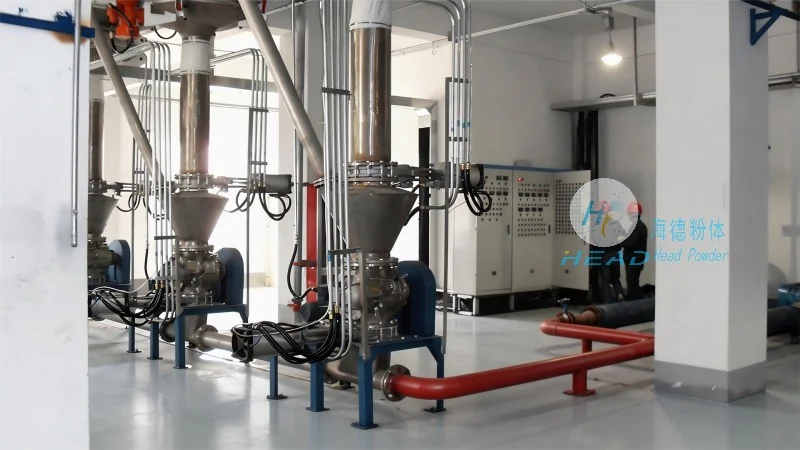
5. Vibrating Conveyors
Vibrating conveyors are a specialized method for polyolefin conveyance, particularly for handling materials that are difficult to move by other means. These systems use vibration to move material along a trough or conveyor. The conveyor is mounted on a frame that vibrates at a specific frequency, causing the material to move forward. Vibrating conveyors are ideal for transporting fine powders and sticky materials, as the vibration helps to prevent material buildup and ensure smooth flow. The design of vibrating conveyors allows for easy adjustment of the vibration frequency and amplitude, making them adaptable to different material types and processing requirements. This method is widely used in the plastics industry for transporting raw materials to mixers or extruders. Vibrating conveyors are also known for their low maintenance requirements, as they have fewer moving parts compared to other conveyance systems. However, they may not be suitable for very large or heavy materials, as the vibration can cause excessive wear on the conveyor components.
6. Company Profile: Shandong HeadPowder Engineering Co., Ltd.
Shandong HeadPowder Engineering Co., Ltd., commonly known as HeadPowder, is a leading manufacturer of polyolefin conveyance systems and related equipment. The company specializes in providing customized solutions for the efficient handling and transportation of polyolefins in various industrial applications. With a strong focus on quality and innovation, HeadPowder has established itself as a trusted partner in the plastics industry. The company's products include pneumatic conveying systems, belt conveyors, screw conveyors, and other specialized equipment designed to meet the unique needs of its clients. HeadPowder's commitment to customer satisfaction and technical excellence has made it a preferred choice for many manufacturing facilities worldwide. The company's headquarters is located in Shandong, China, where it has a state-of-the-art manufacturing facility and a team of experienced engineers and technicians. HeadPowder's products are designed to be durable, reliable, and easy to maintain, ensuring long-term performance and minimal downtime for its clients. The company also provides technical support and after-sales service to ensure that its customers receive the best possible service throughout the life of their equipment.