

What is PTFE Material Handling Equipment? And What Are Its Design Principles?
PTFE material handling equipment is a specialized system designed for transporting PTFE materials, which are widely used in industries such as chemical, pharmaceutical, and electronics due to their exceptional chemical resistance and low friction coefficients. These equipment play a crucial role in ensuring efficient and safe material transfer in processes where traditional materials may fail due to corrosion or contamination.
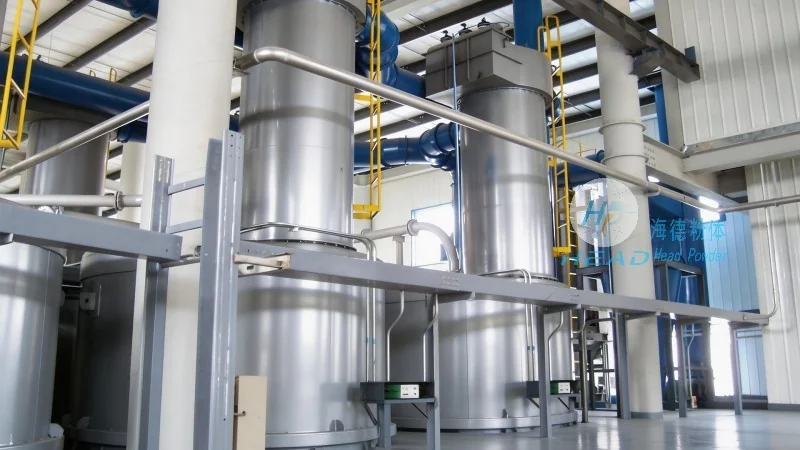
Company Introduction and Background
Shandong HeadPowder Engineering Co., Ltd., a leading manufacturer based in Shandong, China, specializes in the design, development, and production of PTFE material handling equipment. With a strong commitment to quality and innovation, the company has established itself as a trusted partner for businesses seeking reliable solutions for PTFE material transportation. HeadPowder's team of experienced engineers and technicians leverages advanced technology and rigorous testing to deliver equipment that meets the highest industry standards.
Understanding PTFE Material Handling Equipment
PTFE, or polytetrafluoroethylene, is a synthetic fluoropolymer known for its non-stick, low surface energy, and high temperature resistance properties. When used in material handling, PTFE materials often come in the form of powders, granules, or sheets, requiring specialized equipment to handle them without degradation. PTFE material handling equipment typically includes components such as conveyor systems, feeding mechanisms, and storage containers, all engineered to accommodate the unique characteristics of PTFE.
The Core Design Principles of PTFE Material Handling Equipment
The design of PTFE material handling equipment is guided by several key principles that ensure optimal performance and durability. First, the equipment must be constructed from materials compatible with PTFE, or use PTFE itself as the primary component, to prevent chemical reactions or contamination. This often involves using PTFE-lined pipes, stainless steel components with PTFE coatings, or entirely PTFE-based structures. Second, the design must consider the mechanical properties of PTFE, such as its flexibility and resistance to bending, to avoid damage during handling. For example, conveyor belts made from PTFE-coated fabrics are commonly used to transport PTFE powders without causing particle breakage or agglomeration.
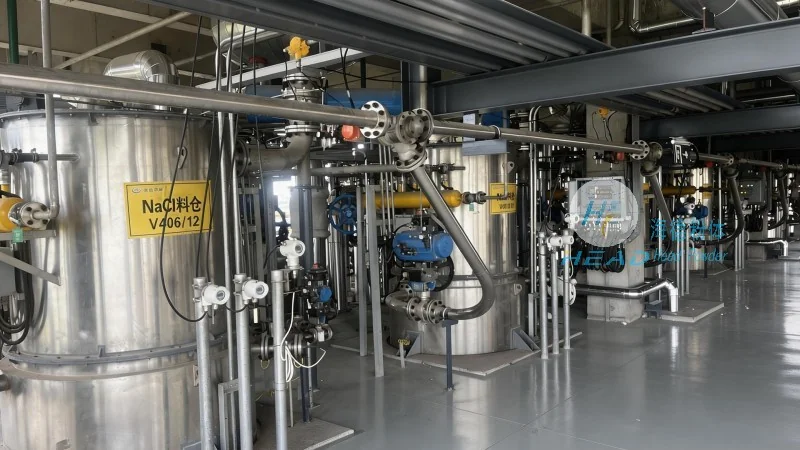
Third, the equipment must be designed for easy maintenance and cleaning, as PTFE materials can be difficult to clean if equipment is not properly designed. Features like smooth surfaces, minimal dead zones, and easy access to internal components are critical. Additionally, the design must account for the thermal properties of PTFE, as it can withstand a wide temperature range. This allows for operation in both cold and hot environments, making the equipment versatile for various industrial applications.
Key Components and Their Functions
PTFE material handling equipment typically consists of several key components, each playing a vital role in the overall system. The primary component is the conveyor system, which can be a belt conveyor, screw conveyor, or pneumatic conveyor, depending on the material form and processing requirements. For powders and granules, screw conveyors are often preferred due to their ability to handle fine materials without clogging. The feeding mechanism, such as a hopper or feeder, ensures a consistent flow of PTFE material into the conveyor. This component is designed to minimize material buildup and prevent clogging, which is essential for maintaining system efficiency.
The drive system, which may include electric motors or pneumatic actuators, provides the necessary power to move the material through the conveyor. The speed and torque of the drive are carefully selected based on the material's characteristics and the required throughput. The turning or diverting components, such as bends or valves, allow the material to change direction without losing flow or causing blockages. These components are typically made from PTFE or PTFE-coated materials to ensure smooth operation and prevent material sticking.
Application Examples and Industry Use Cases
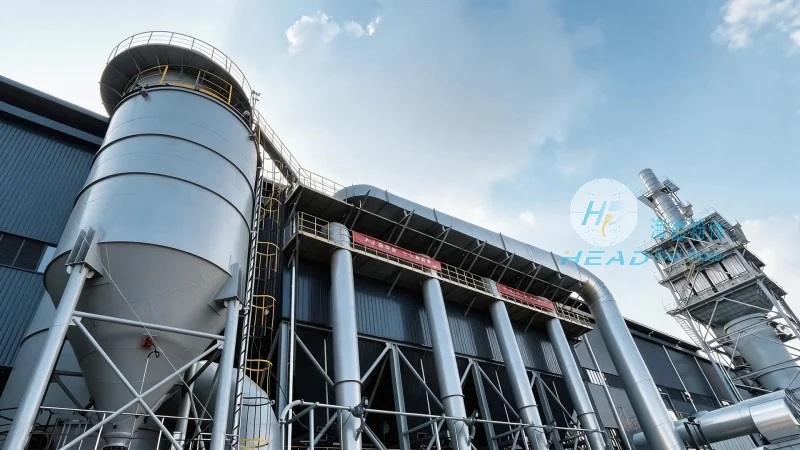
PTFE material handling equipment is widely used in various industries, each with specific requirements. In the chemical industry, it is used to transport corrosive substances like hydrofluoric acid or fluorinated gases, where traditional metal pipes would corrode quickly. The equipment's chemical resistance ensures that the material remains intact and the process runs smoothly. In the pharmaceutical industry, PTFE material handling equipment is used to handle high-purity PTFE powders, which are critical for manufacturing medical devices and implants. The equipment's clean design and non-contaminating properties maintain the purity of the material, meeting stringent regulatory standards.
In the electronics industry, PTFE material handling equipment is used to transport PTFE insulation materials for wiring and cable manufacturing. The equipment's low friction properties reduce wear and tear on the materials, while its chemical resistance prevents contamination from solvents or other chemicals used in the manufacturing process. Additionally, the equipment's ability to handle fine powders without agglomeration is crucial for maintaining the quality of the final product.
Maintenance and Operational Considerations
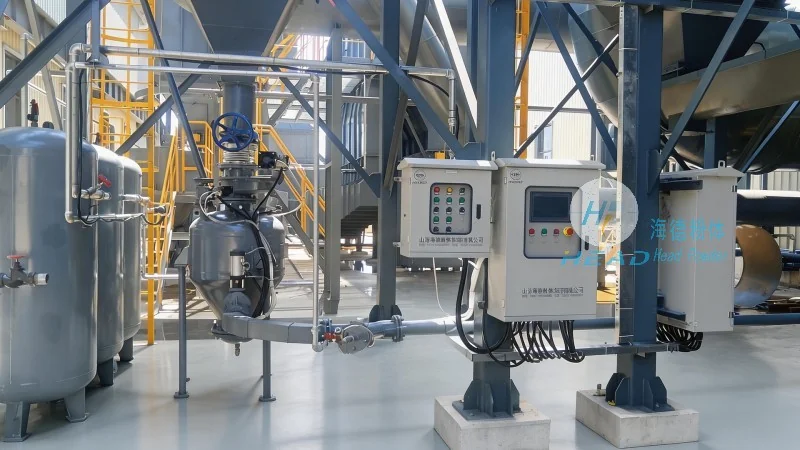
Proper maintenance of PTFE material handling equipment is essential to ensure long-term performance and reliability. Regular inspections should be conducted to check for signs of wear, such as cracks or abrasions on the conveyor belts or pipes. The drive system should be lubricated as per the manufacturer's recommendations to prevent overheating and reduce friction. Cleaning the equipment after each use is also important, as PTFE materials can adhere to surfaces and cause buildup over time. Using appropriate cleaning agents and tools, such as soft brushes or compressed air, helps maintain the equipment's efficiency.
Operational considerations also include monitoring the temperature and pressure of the system. PTFE materials can degrade at high temperatures, so the equipment must be operated within the recommended temperature range. Similarly, excessive pressure can cause the material to rupture or leak, so pressure relief valves may be necessary in some designs. Training operators on the proper use and maintenance of the equipment is also critical to prevent accidents and ensure optimal performance.
Conclusion
PTFE material handling equipment is a vital component in industries that rely on PTFE materials for their processes. By understanding the design principles and key components, businesses can select the right equipment to meet their specific needs. Shandong HeadPowder Engineering Co., Ltd. offers a range of PTFE material handling solutions tailored to different applications, ensuring that customers receive reliable and efficient equipment that enhances their production processes. With its commitment to quality and innovation, HeadPowder continues to be a leader in the field, providing solutions that meet the evolving demands of the industry.