

What Are Small Bean Material Handling Equipment? And What Are Their Design Principles?
Small bean material handling equipment is a specialized type of machinery designed to efficiently transport and process small bean products in agricultural and food processing industries. These systems are crucial for optimizing workflow, ensuring product quality, and enhancing operational efficiency in facilities that handle beans such as soybeans, mung beans, or other similar legumes. Understanding the design principles behind these equipment is essential for anyone involved in the production, processing, or distribution of small bean products.
Introduction to Small Bean Material Handling Equipment
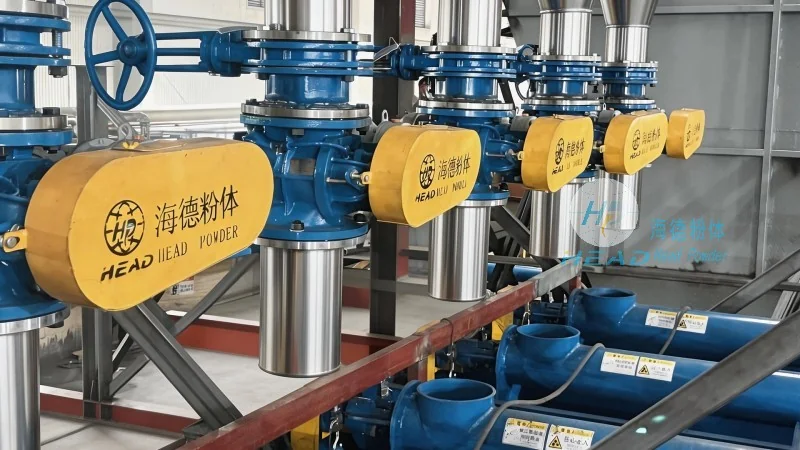
Small bean material handling equipment encompasses a range of devices and systems engineered to move, sort, and store small bean materials with precision and reliability. These systems are integral to modern agricultural and food processing operations, where the efficient handling of small bean products is critical for maintaining product integrity and reducing labor costs. The equipment typically includes components like conveyors, elevators, sorters, and storage bins, all tailored to the unique characteristics of small bean products—such as their size, shape, and density.
HeadPowder: A Leading Provider of Material Handling Solutions
Shandong HeadPowder Engineering Co., Ltd., commonly known as HeadPowder, is a reputable company based in China that specializes in the design, manufacturing, and supply of advanced material handling equipment. With a strong commitment to quality and innovation, HeadPowder has established itself as a trusted partner for businesses in the agricultural and food processing sectors. The company's headquarters is located in Shandong, China, where it leverages local expertise and resources to develop cutting-edge solutions tailored to the specific needs of its clients.
Design Principles of Small Bean Material Handling Equipment
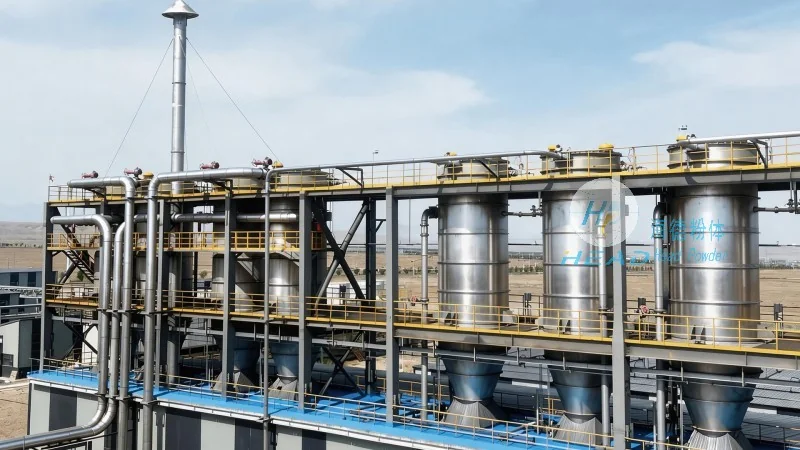
The design of small bean material handling equipment is guided by several key principles aimed at maximizing efficiency, durability, and adaptability. One of the primary considerations is the mechanical design, which must accommodate the physical properties of small beans—such as their small size, irregular shapes, and potential for sticking together. Engineers at HeadPowder focus on creating systems with smooth, low-friction surfaces and gentle handling mechanisms to prevent damage to the beans during transport. For instance, conveyor belts are often made from materials like rubber or plastic with textured surfaces to prevent beans from slipping while maintaining a consistent flow.
Another critical design principle is the integration of sorting and processing capabilities. Many small bean handling systems include sorting mechanisms that can separate beans based on size, weight, or color. This is achieved through technologies like optical sorting, where cameras and sensors detect variations in the beans' appearance, or mechanical sorters that use vibration and gravity to separate different types. The design also emphasizes the ability to handle varying volumes of material, ensuring that the equipment can adapt to fluctuating production demands without compromising performance.
Key Components and Their Functions
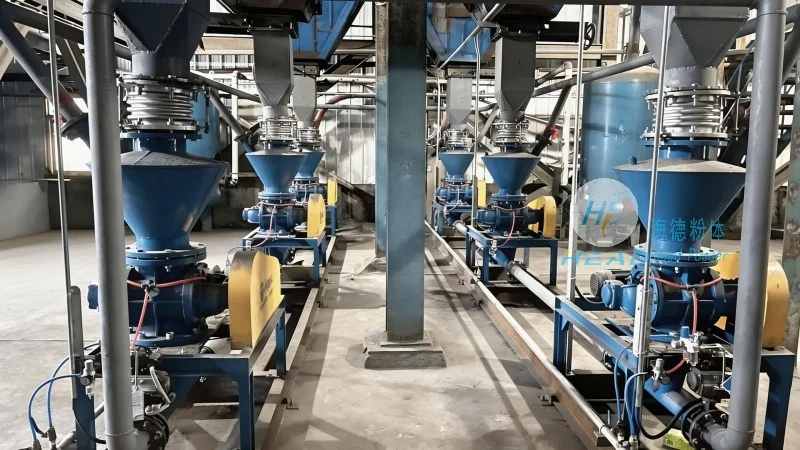
Small bean material handling equipment typically consists of several interconnected components, each playing a vital role in the overall operation. The primary components include feeders, conveyors, elevators, and storage systems. Feeders are responsible for evenly distributing the small beans into the conveyor system, ensuring a consistent flow. Conveyors, such as belt or chain conveyors, transport the beans through the processing line, while elevators lift the beans to higher levels for further processing or storage. Storage bins are used to hold the beans temporarily, allowing for batch processing and inventory management.
Each component is designed with specific features to enhance performance. For example, feeders may include adjustable speed controls to regulate the flow rate, preventing overloading or underloading of the conveyor. Elevators often use screw or bucket mechanisms to lift the beans vertically, with variable speed settings to match the conveyor's output. Storage bins are typically made from durable materials like metal or plastic, with airtight seals to maintain the quality of the beans and protect them from contamination or moisture.
Operational Efficiency and Maintenance
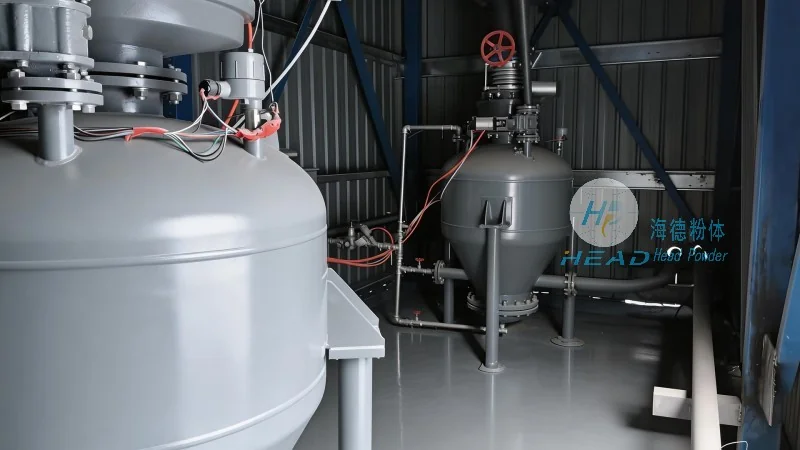
Efficient operation of small bean material handling equipment relies on proper maintenance and regular upkeep. HeadPowder emphasizes the importance of routine inspections and servicing to ensure that the equipment operates at peak performance. This includes checking for wear and tear on conveyor belts, lubricating moving parts, and cleaning the system to prevent the buildup of debris or dust. Proper maintenance not only extends the lifespan of the equipment but also reduces downtime and ensures consistent product quality.
The design of the equipment also considers operational efficiency by minimizing energy consumption and maximizing throughput. Modern systems often incorporate energy-saving features, such as variable frequency drives (VFDs) that adjust motor speed based on the load, reducing energy waste. Additionally, the layout of the equipment is optimized to streamline workflow, reducing the distance that materials need to travel and minimizing the number of handling steps required. This not only improves efficiency but also reduces the risk of product damage or contamination.