

What Are Ship Loading and Unloading Material Handling Equipment? And What Are Their Design Principle
Ship loading and unloading material handling equipment plays a crucial role in modern maritime logistics, enabling efficient transfer of goods between vessels and shore-based facilities. These systems are essential for optimizing cargo operations, reducing handling time, and minimizing operational costs in port environments. Understanding the types of equipment and their underlying design principles is vital for industries that rely on seamless maritime trade.
Introduction to Ship Loading and Unloading Material Handling Equipment
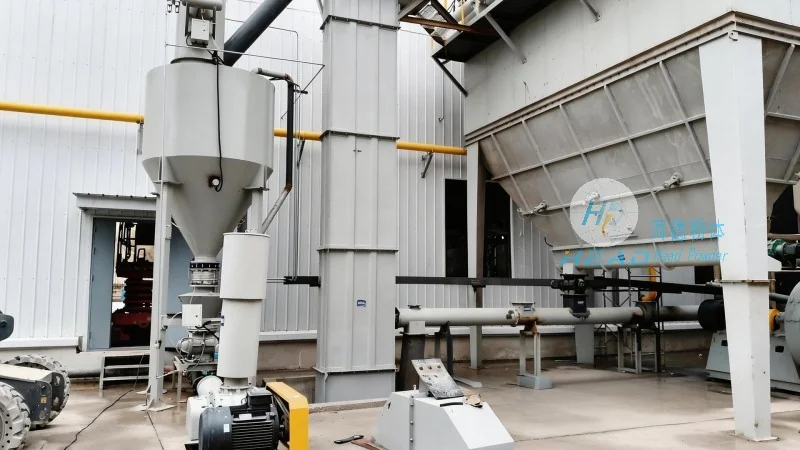
Ship loading and unloading material handling equipment encompasses a range of machinery designed to facilitate the movement of cargo from ships to land or vice versa. Commonly used equipment includes cranes, conveyors, and specialized loading/unloading systems tailored to different cargo types such as bulk materials, containers, and general cargo. The primary goal of these systems is to enhance operational efficiency, improve safety, and ensure compliance with industry standards. As a leading provider in the field, Shandong HeadPowder Engineering Co., Ltd. specializes in designing and manufacturing advanced solutions for various port applications.
Key Equipment Types and Their Functions
Several types of equipment are commonly employed in ship loading and unloading operations. The most prevalent is the ship-to-shore crane, which is used for handling containers and other heavy cargo. These cranes are typically equipped with spreaders or grabs to secure and transfer loads. Another critical component is the conveyor system, which can be used for bulk materials like grain, coal, or ore. Conveyors may include belt conveyors, screw conveyors, or bucket elevators, depending on the cargo characteristics. Additionally, specialized equipment such as ship loaders and unloaders is used for bulk cargo, allowing for continuous and high-volume transfer. Each piece of equipment is designed to address specific operational needs, ensuring that cargo is handled safely and efficiently.
Design Principles Behind the Equipment
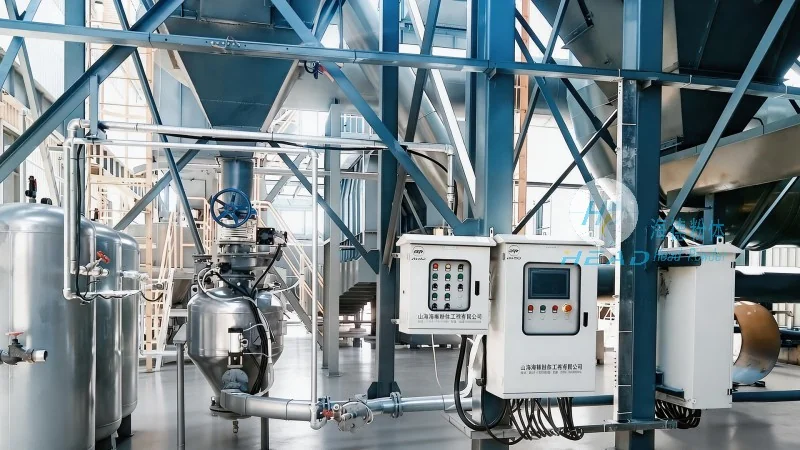
The design of ship loading and unloading material handling equipment is guided by several key principles aimed at maximizing performance and reliability. First, structural integrity is paramount, as these systems must withstand heavy loads and harsh environmental conditions. Engineers use advanced materials and stress analysis to ensure that the equipment can handle the stresses of cargo transfer without failure. Second, efficiency is a core design consideration, with systems optimized for speed and throughput. This includes features like automated controls, variable speed drives, and integrated monitoring systems that allow for real-time adjustments to operational parameters. Third, safety is integrated into every design aspect, with safety features such as load limiters, emergency stop mechanisms, and protective enclosures to prevent accidents and protect operators. Additionally, ergonomic design is considered to reduce operator fatigue and improve overall productivity. The combination of these principles results in equipment that is not only effective but also sustainable and user-friendly.
Application in Different Cargo Handling Scenarios
Ship loading and unloading material handling equipment is versatile and can be applied to various cargo handling scenarios. For container terminals, ship-to-shore cranes and automated stacking cranes are used to move containers between ships and storage areas. These systems often incorporate automation technologies like GPS and RFID to track container movements and optimize operations. In bulk cargo terminals, ship loaders and unloaders are used to transfer materials like coal, grain, and minerals from ships to storage silos or trucks. The design of these systems includes features such as adjustable feed rates and dust control mechanisms to ensure efficient and clean operation. For general cargo, specialized cranes and conveyors are used to handle items like machinery, vehicles, and packaged goods. The flexibility of these systems allows them to adapt to different cargo types and operational requirements, making them indispensable in modern port operations.
Advantages of Advanced Material Handling Equipment
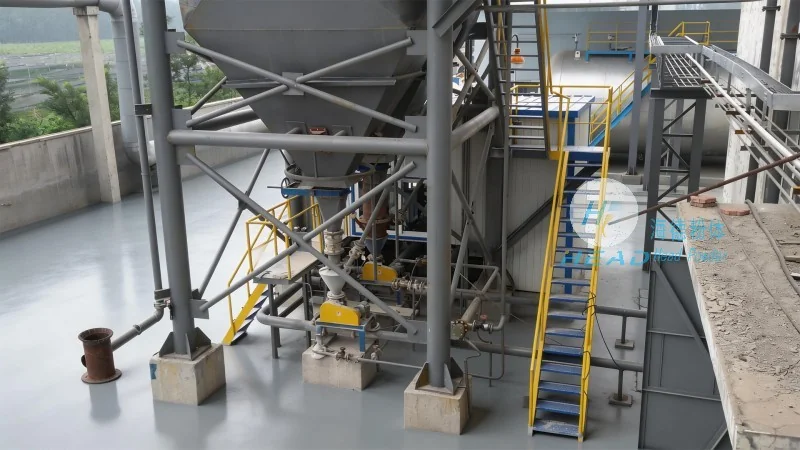
Investing in advanced ship loading and unloading material handling equipment offers numerous advantages for port operators. Firstly, increased efficiency leads to reduced turnaround times for vessels, which can significantly improve port productivity and revenue. By minimizing the time vessels spend at the dock, ports can handle more cargo and improve their competitiveness in the global market. Secondly, improved safety reduces the risk of accidents and injuries, leading to lower insurance costs and a safer working environment. Advanced equipment often includes safety features that monitor load conditions and operator behavior, preventing potential hazards. Thirdly, enhanced reliability ensures that operations run smoothly with minimal downtime. By using high-quality components and robust design, these systems are less prone to breakdowns, reducing maintenance costs and improving overall operational reliability. Finally, environmental considerations are increasingly important, and advanced equipment often incorporates features like energy-efficient motors and reduced emissions, contributing to a more sustainable port operation.
Conclusion and Company Overview
Ship loading and unloading material handling equipment is a critical component of modern maritime logistics, enabling efficient and safe cargo transfer between vessels and shore-based facilities. The design principles behind these systems focus on structural integrity, efficiency, safety, and sustainability, ensuring that they can meet the demands of today's port operations. As a leading manufacturer, Shandong HeadPowder Engineering Co., Ltd. specializes in providing advanced solutions tailored to various cargo handling needs. With a commitment to quality and innovation, the company delivers equipment that enhances operational efficiency, improves safety, and supports sustainable port development. By understanding the types of equipment and their design principles, industries can make informed decisions to optimize their cargo handling processes and stay competitive in the global market.