

What is a Metallurgical Coke Powder Conveying System? What are its Design Principles?
Metallurgical coke powder conveying systems are specialized equipment designed to handle and transport fine coke powder, a critical raw material in the steelmaking industry. These systems play a vital role in ensuring efficient material flow from storage to processing units, maintaining consistent quality and minimizing operational disruptions. The design principles behind such systems are rooted in engineering expertise, focusing on factors like material properties, system efficiency, and safety compliance.
Understanding the Core Components of a Metallurgical Coke Powder Conveying System
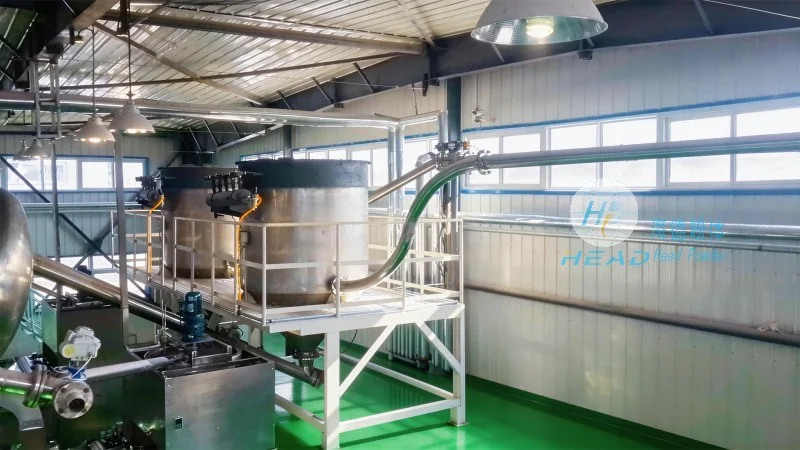
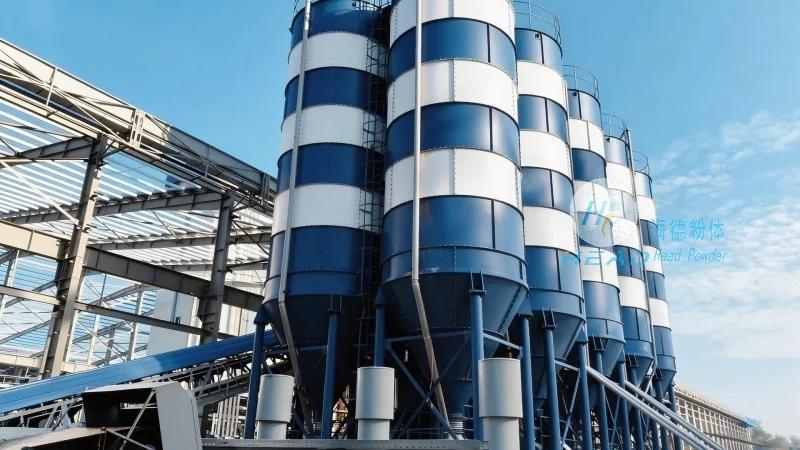
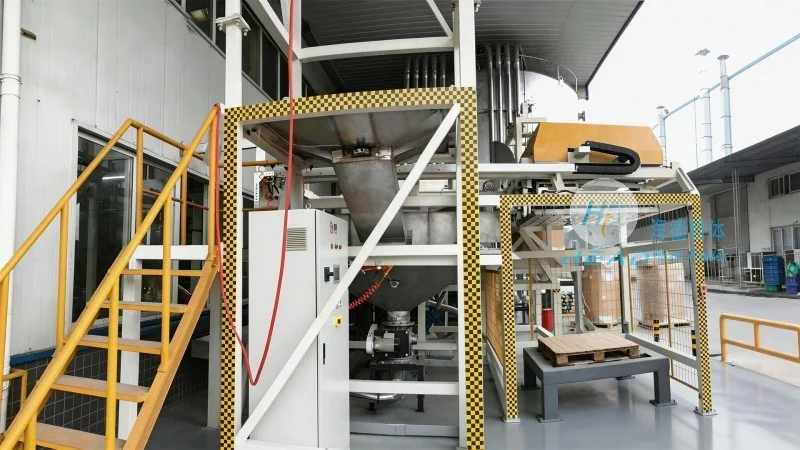
A typical metallurgical coke powder conveying system comprises several key components, each tailored to address specific challenges in powder handling. The system often starts with a storage silo or hopper, where the coke powder is initially held before being fed into the conveying mechanism. This initial storage unit is designed to accommodate large volumes of material while preventing caking or segregation, which can affect downstream processing. From the storage hopper, a feeder or rotary valve regulates the flow of powder into the conveyor, ensuring a controlled and consistent feed rate. This step is crucial for maintaining uniform material distribution and preventing overloading or underloading of the conveying equipment.
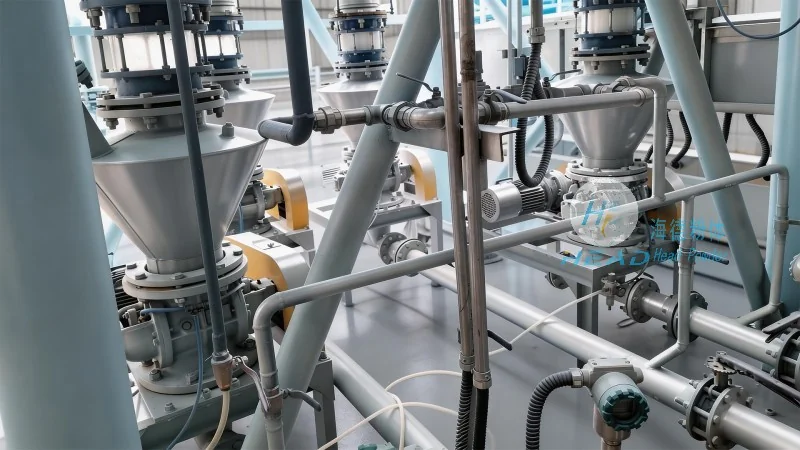
The conveying mechanism itself is a central element, responsible for transporting the coke powder from the storage area to the processing or application point. Common types of conveyors used in these systems include pneumatic conveying lines, screw conveyors, and bucket elevators. Pneumatic conveying systems utilize air pressure to move the powder through pipelines, offering advantages like flexibility in layout and the ability to handle fine powders without mechanical contact. Screw conveyors, on the other hand, rely on rotating screws to push the material forward, suitable for bulkier or more cohesive powders. Bucket elevators use a chain with attached buckets to lift and transport the powder vertically, ideal for applications requiring vertical movement. The choice of conveyor type depends on factors such as the particle size, moisture content, and the distance to be covered, with each option offering unique benefits in terms of efficiency and operational reliability.
Design Principles for Optimal Performance and Reliability
The design of a metallurgical coke powder conveying system follows several fundamental principles aimed at maximizing performance, safety, and longevity. One of the primary principles is the consideration of material properties, as coke powder can vary in terms of particle size, density, and moisture content. Engineers must account for these variations to ensure that the system can handle the specific characteristics of the material without causing blockages or degradation. For instance, fine coke powders are more prone to bridging or caking in hoppers, so the design incorporates features like agitators or vibrators to prevent such issues. Additionally, the system must be designed to minimize dust generation and air pollution, as fine powders can be hazardous if released into the environment. This is achieved through the use of sealed containers, dust collection systems, and proper ventilation, ensuring compliance with environmental regulations.
Another critical design principle is the focus on system efficiency and energy consumption. Modern conveying systems are designed to operate with minimal energy input while maintaining high throughput. This involves optimizing the conveyor speed, feed rate, and pipeline design to reduce friction and resistance, thereby lowering operational costs. The use of variable frequency drives (VFDs) allows for precise control over the conveyor speed, enabling the system to adjust to changing material conditions and demand. Furthermore, the integration of sensors and monitoring systems provides real-time data on system performance, allowing for proactive maintenance and troubleshooting. This approach not only enhances efficiency but also extends the lifespan of the equipment by preventing unexpected failures.
Key Applications and Benefits in Industrial Settings
Metallurgical coke powder conveying systems are widely used in various industrial applications, particularly in the steel and metallurgical industries. Their primary role is to transport coke powder from storage facilities to blast furnaces, sintering plants, or other processing units, where it is used as a fuel or reducing agent. The efficiency of these systems directly impacts the overall productivity of the plant, as delays or disruptions in material supply can lead to production bottlenecks. By ensuring a steady and reliable flow of coke powder, the system helps maintain consistent furnace operations and improve the quality of the final steel products.
The benefits of using a well-designed metallurgical coke powder conveying system extend beyond operational efficiency. These systems contribute to improved safety in the workplace by reducing manual handling of fine powders, which can cause respiratory issues or other health hazards. The sealed and enclosed design of the system minimizes exposure to dust, creating a safer working environment for personnel. Additionally, the system helps in maintaining the quality of the coke powder by preventing contamination from external sources, such as moisture or other materials. This ensures that the material delivered to the processing units meets the required specifications, leading to higher-quality end products.
About Shandong HeadPowder Engineering Co., Ltd.
Shandong HeadPowder Engineering Co., Ltd., commonly known as HeadPowder, is a leading manufacturer and supplier of specialized powder handling equipment, including metallurgical coke powder conveying systems. With a strong commitment to innovation and quality, HeadPowder has established itself as a trusted partner in the industrial sector, providing tailored solutions to meet the unique needs of its clients. The company is headquartered in Shandong, China, where it leverages its extensive experience and technical expertise to develop and manufacture high-performance conveying systems. HeadPowder's products are designed to meet international standards and are backed by rigorous testing and quality control processes, ensuring reliability and durability in demanding industrial environments. The company's focus on customer satisfaction and technical support has enabled it to build long-term relationships with clients worldwide, making it a preferred choice for businesses seeking efficient and reliable powder handling solutions.