

What is a Lithium Oxide Powder Conveying Line? And What Are Its Design Principles?
When it comes to the production of lithium-based materials, especially in the battery industry, the efficient and safe handling of lithium oxide powder is crucial. A specialized system known as a lithium oxide powder conveying line plays a vital role in this process. This article will explore what such a conveying line is and delve into the underlying design principles that ensure its effective operation.
Understanding the Lithium Oxide Powder Conveying Line
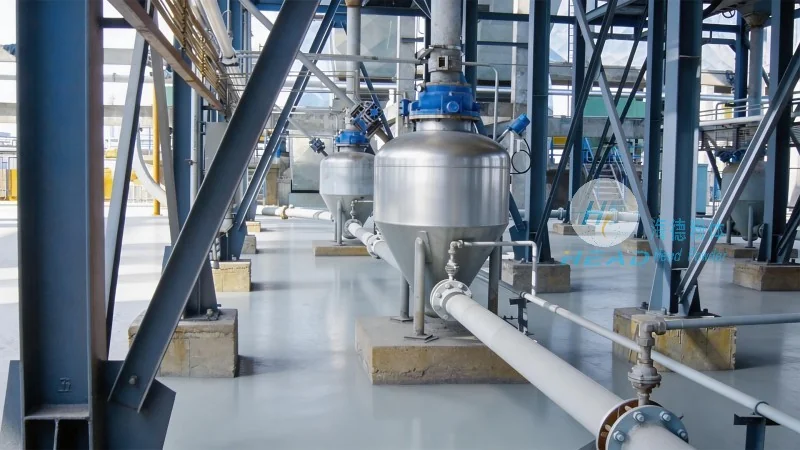
A lithium oxide powder conveying line is a sophisticated system engineered to transport lithium oxide powder from one location to another within an industrial facility. This system is essential for maintaining the integrity of the powder, preventing contamination, and ensuring a smooth workflow in manufacturing processes. The line typically consists of components such as hoppers, feeders, conveying equipment (like pneumatic or mechanical systems), and control units. Each component works in harmony to achieve the desired level of efficiency and safety.
Key Design Principles for the Conveying Line
The design of a lithium oxide powder conveying line is guided by several critical principles aimed at optimizing performance while addressing the unique properties of lithium oxide. These principles include:
1. Aseptic and Contamination Control: Lithium oxide is a sensitive material often used in high-purity applications. The conveying line must be designed to minimize the risk of contamination from external sources. This involves using materials that are non-reactive with the powder and implementing sealed systems to prevent dust leakage.
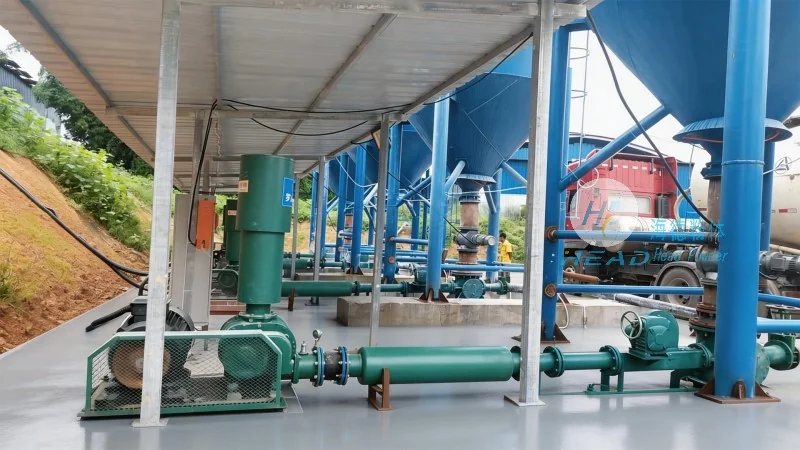
2. Efficient Material Handling: The system must be capable of handling the specific flow characteristics of lithium oxide powder. This includes considerations of particle size, density, and moisture content, as these factors influence how the powder behaves during transport. The design may incorporate adjustable feed rates and variable speed conveyors to maintain consistent flow.
3. Energy Efficiency: Modern conveying lines are designed with energy efficiency in mind. This involves selecting the most appropriate conveying method (e.g., pneumatic vs. mechanical) based on the material properties and operational requirements. Efficient energy use not only reduces operational costs but also aligns with sustainability goals in industrial manufacturing.
4. Safety and Reliability: Safety is paramount when handling powders, especially those that may be reactive or pose inhalation risks. The design incorporates safety features such as dust collection systems, explosion-proof components, and emergency stop mechanisms. Additionally, the system is built for durability and reliability to minimize downtime and ensure consistent production.
Components and Their Roles in the Conveying Line
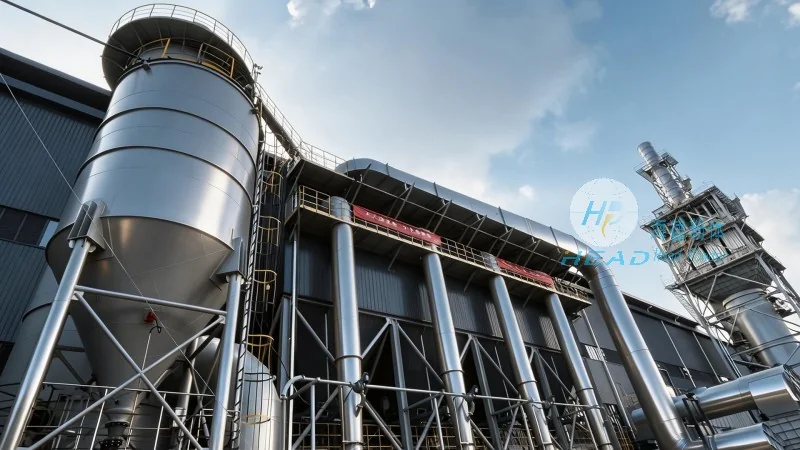
Each component of the lithium oxide powder conveying line serves a specific purpose, contributing to the overall functionality of the system. The primary components include:
1. Hoppers and Feeders: Hoppers are used to store and feed the lithium oxide powder into the conveying system. They are designed to maintain a consistent material level and prevent clogging. Feeders, such as rotary valves or vibratory feeders, regulate the flow rate of the powder into the conveyor.
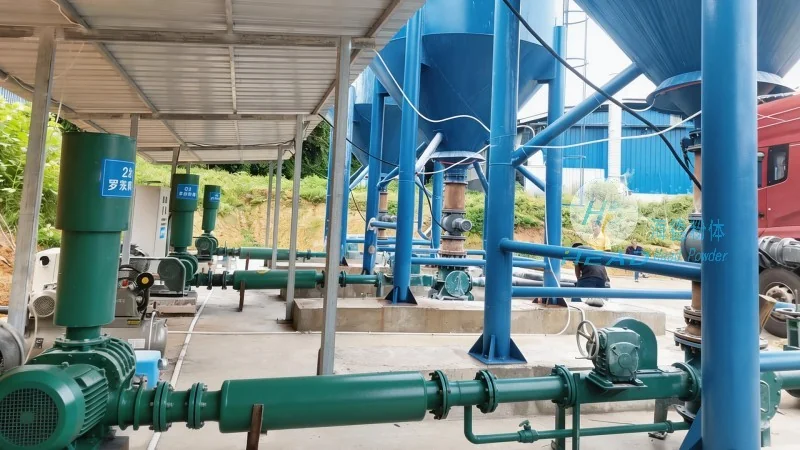
2. Conveying Equipment: This is the core of the system, responsible for moving the powder through the line. Common types include pneumatic conveying systems (using air pressure to transport the powder) and mechanical conveying systems (like screw conveyors or belt conveyors). The choice of equipment depends on factors like the material's properties and the distance to be covered.
3. Control and Monitoring Systems: These systems ensure that the conveying line operates within optimal parameters. They include sensors to monitor flow rates, pressure, and temperature, as well as control panels to adjust settings and provide real-time feedback. This allows operators to maintain consistent performance and detect any issues promptly.
Application in Industrial Settings
Lithium oxide powder conveying lines are widely used in various industrial applications, particularly in the battery manufacturing sector. They are essential for transporting lithium oxide from storage to processing units, such as mixing and coating equipment. The efficiency of the conveying line directly impacts the overall production speed and quality of the final products. By ensuring a steady and controlled supply of lithium oxide, these systems contribute to higher productivity and lower operational costs.
Conclusion
In summary, a lithium oxide powder conveying line is a specialized industrial system designed to handle lithium oxide powder safely and efficiently. Its design is guided by principles focused on contamination control, material handling efficiency, energy conservation, and safety. The components work together to ensure smooth operation, making it an indispensable part of modern manufacturing processes. For industries relying on lithium-based materials, investing in a well-designed conveying line is crucial for maintaining high standards of production and quality.