

What is a Dry Flue Gas Desulfurization (FGD) Fly Ash Powder Conveying Equipment? What is its Design
For industrial facilities that employ flue gas desulfurization (FGD) processes, the efficient handling and transportation of fly ash powder is a critical operational requirement. The dry FGD fly ash powder conveying equipment, as a specialized system, addresses this need by providing a reliable method for moving the fine particulate material from the desulfurization unit to storage or disposal locations. This equipment is essential for maintaining the smooth operation of FGD systems and ensuring compliance with environmental regulations.
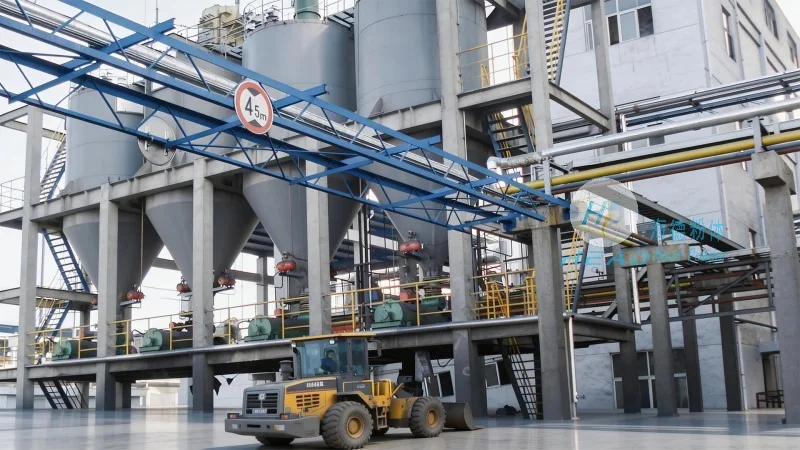
Company Overview: Shandong HeadPowder Engineering Co., Ltd.
HeadPowder, a leading manufacturer in the field of powder handling technology, specializes in the design, development, and production of advanced conveying equipment for various industrial applications. With a strong commitment to quality and innovation, the company has established itself as a trusted partner for clients seeking efficient and reliable solutions for their material handling challenges. HeadPowder is headquartered in Shandong, China, and has a dedicated team of engineers and technicians who work to develop cutting-edge solutions tailored to the needs of industrial clients. The company's products are designed to meet the highest standards of performance, durability, and safety, ensuring that they can withstand the demanding conditions of industrial environments.

Key Components of Dry FGD Fly Ash Powder Conveying Equipment
The dry FGD fly ash powder conveying equipment typically consists of several key components that work in tandem to achieve efficient material transport. These components include a hopper or feed system for receiving the fly ash, a conveying mechanism such as a screw conveyor, pneumatic conveyor, or belt conveyor, and a control system for regulating the flow and operation of the equipment. The hopper is designed to accommodate the bulk fly ash and ensure a consistent feed rate, while the conveying mechanism transfers the material through the system with minimal loss or degradation. The control system allows operators to monitor and adjust the conveying process, ensuring optimal performance and safety.
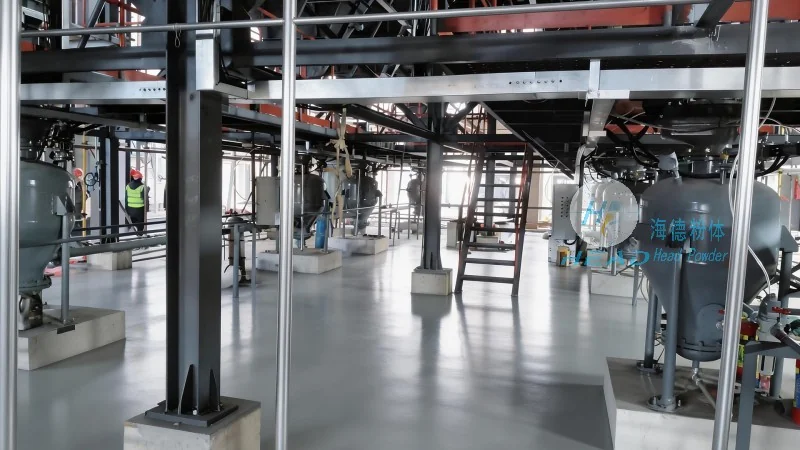
Design Principle of the Conveying System
The design principle of the dry FGD fly ash powder conveying equipment is centered on the efficient and safe transport of fine particulate materials under dry conditions. The system is engineered to handle the specific characteristics of fly ash, including its fine particle size, low bulk density, and potential moisture content. The primary design considerations include minimizing material degradation, preventing blockages, and ensuring consistent flow rates. The equipment is constructed from materials that are resistant to corrosion and abrasion, such as stainless steel or special alloys, to withstand the harsh environment of industrial applications. Additionally, the design incorporates features to prevent dust emissions and ensure environmental compliance, aligning with modern industrial standards.
Operational Efficiency and Maintenance
Operational efficiency is a key aspect of the dry FGD fly ash powder conveying equipment. The system is designed to operate with minimal downtime and maximum throughput, ensuring that the fly ash is moved quickly and reliably from the desulfurization unit to its destination. Regular maintenance is essential to maintain the equipment's performance and longevity. This includes cleaning the hopper and conveying components, checking for wear and tear, and replacing worn parts as needed. The control system provides real-time monitoring of the equipment's performance, allowing for early detection of issues and prompt maintenance. By following a regular maintenance schedule, the equipment can operate at peak efficiency, reducing operational costs and extending its service life.
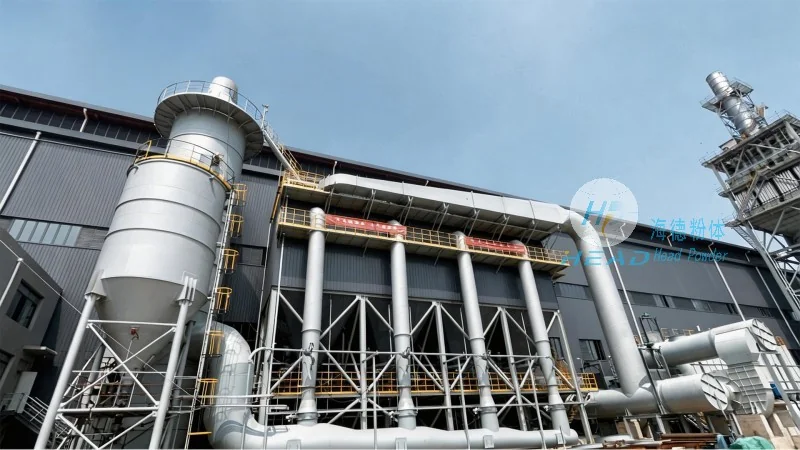
Application and Benefits
The dry FGD fly ash powder conveying equipment is widely used in power plants and other industrial facilities that employ flue gas desulfurization processes. The primary benefits of using this equipment include improved operational efficiency, reduced material loss, and enhanced safety. By efficiently transporting the fly ash, the equipment helps to maintain the smooth operation of the FGD system, ensuring that the plant can meet its environmental compliance requirements. Additionally, the equipment reduces the risk of dust emissions and improves workplace safety by containing the material during transport. The use of advanced materials and design features also contributes to the equipment's durability and long service life, making it a cost-effective solution for industrial applications.