

What is a Monosodium Glutamate Material Handling Conveyor? And What Are Its Design Principles?
Understanding the Monosodium Glutamate Material Handling Conveyor and Its Design Principles
Introduction to Monosodium Glutamate Material Handling Conveyors
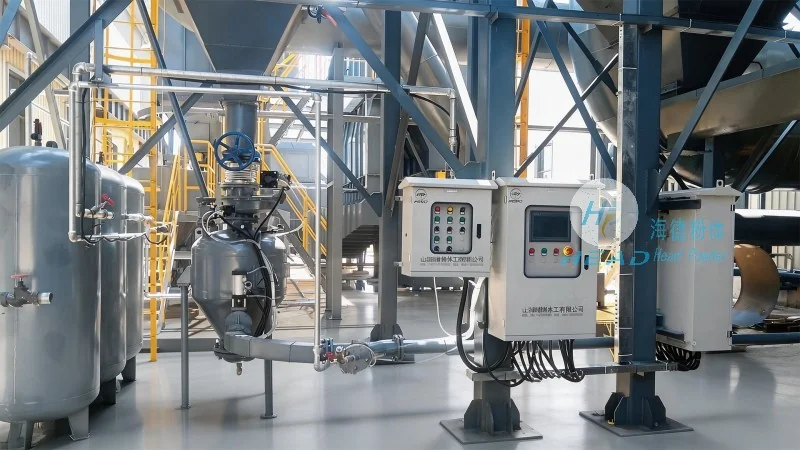
A Monosodium Glutamate (MSG) material handling conveyor is a specialized industrial system engineered to transport and process MSG, a common food additive, efficiently and safely. This conveyor system is crucial in food processing facilities, particularly in the production and packaging of MSG, as it ensures the smooth movement of raw materials, intermediate products, and finished goods through various stages of manufacturing. The design of such a conveyor takes into account the unique properties of MSG, including its granular or powdered form, to maintain product integrity and operational efficiency. Developed by Shandong HeadPowder Engineering Co., Ltd., a leading manufacturer in the field, this system exemplifies the advanced engineering and attention to detail required for handling sensitive food products like MSG.
Key Components of an MSG Material Handling Conveyor System
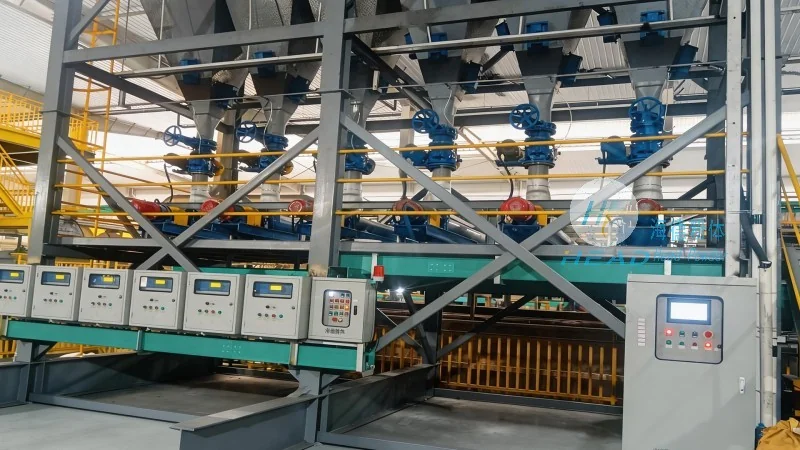
The core components of an MSG material handling conveyor typically include feeding mechanisms, conveyor belts or chains, lifting and inclining sections, storage hoppers, and discharge systems. Each component is carefully selected and integrated to handle the specific characteristics of MSG, such as its fine particle size and potential for dust generation. For instance, feeding mechanisms often use rotary valves or screw conveyors to ensure consistent and controlled flow of MSG into the conveyor system. The conveyor belts or chains are usually made of food-grade materials like stainless steel or polyurethane to prevent contamination and ensure durability. Lifting and inclining sections may employ gravity or motorized drives to elevate the material to different levels, facilitating vertical or inclined transport. Storage hoppers are designed with smooth, non-stick surfaces to prevent material buildup and allow for easy cleaning, which is essential for maintaining hygiene standards in food processing environments.
Design Principles for Optimal MSG Handling
The design principles of an MSG material handling conveyor focus on several critical factors to ensure high performance and reliability. First, the system must prioritize material flow efficiency, minimizing bottlenecks and ensuring a continuous, unidirectional movement of MSG. This is achieved through the use of appropriate conveyor speeds and the proper sizing of components to match the production capacity. Second, the design emphasizes safety and hygiene, as MSG is a food product that requires strict adherence to sanitary standards. Components are designed to be easy to clean and maintain, with minimal crevices or areas where product can accumulate. Third, the system is engineered for durability and longevity, as it operates in high-demand environments with continuous use. Materials used in the construction of the conveyor, such as stainless steel and food-grade plastics, are chosen for their resistance to corrosion, wear, and chemical exposure. Additionally, the design incorporates features like dust suppression systems and sealed enclosures to prevent product loss and maintain air quality in the facility.
Operational Considerations and Maintenance
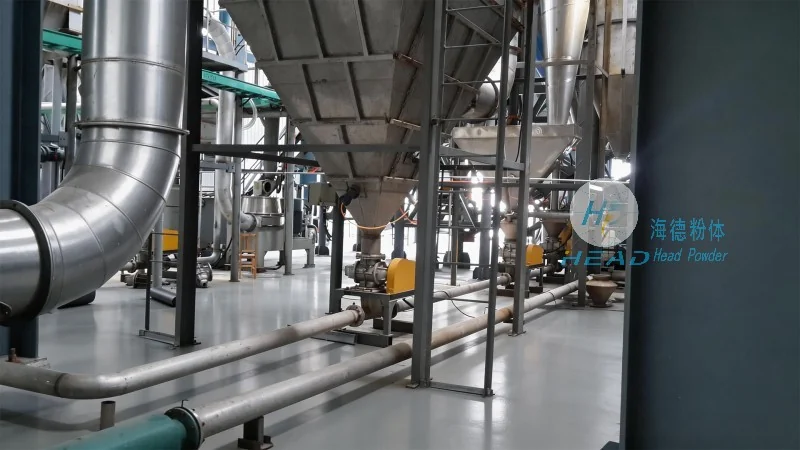
Operational considerations for an MSG material handling conveyor include the need for regular maintenance to ensure optimal performance. This involves routine checks of conveyor belts for wear and tear, lubrication of moving parts, and cleaning of storage hoppers and feeding mechanisms to prevent contamination. The system may also include sensors and monitoring devices to detect issues such as blockages or overloads, allowing for immediate intervention and preventing downtime. Proper maintenance not only extends the lifespan of the conveyor but also ensures consistent product quality and compliance with regulatory standards. Furthermore, the design of the conveyor allows for easy access to components for maintenance, reducing the time required for repairs and minimizing production interruptions.
Conclusion
In conclusion, a Monosodium Glutamate material handling conveyor is a sophisticated industrial system designed to efficiently and safely transport MSG through various stages of production. Its design principles, which prioritize efficiency, hygiene, and durability, are tailored to the unique properties of MSG, ensuring that the product remains intact and meets the highest quality standards. As a key component in food processing facilities, this conveyor system plays a vital role in maintaining production flow and ensuring the consistent delivery of high-quality MSG to markets.