

Common Tailings Powder Slurry Transport Methods: Advantages and Features of HeadPowder's Air-Pneumatic Conveying System
When it comes to transporting tailings powder and slurry, industrial facilities often face significant challenges related to material handling efficiency, environmental compliance, and operational safety. The choice of transport method can greatly impact production costs, maintenance requirements, and overall plant performance. In this context, understanding the common tailings powder slurry transport methods and evaluating the advantages of specialized systems like those offered by HeadPowder is crucial for optimizing industrial processes.
Common Tailings Powder Slurry Transport Methods
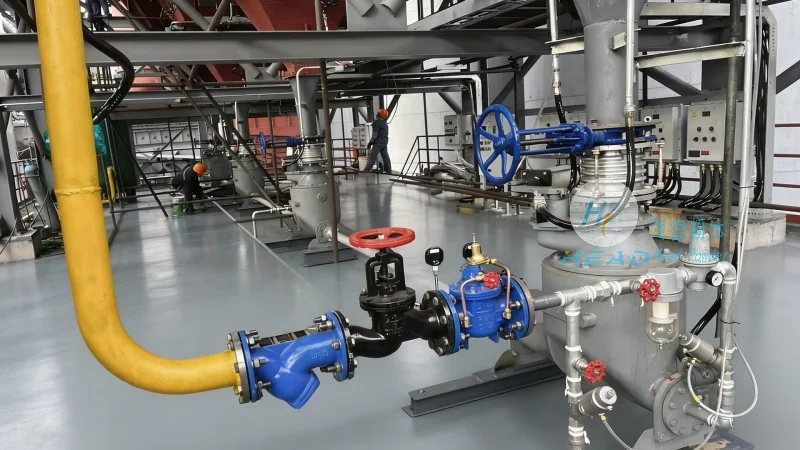
Traditional tailings powder and slurry transport methods include gravity flow, mechanical conveyors (such as belt conveyors and screw conveyors), and hydraulic systems. Gravity flow relies on the natural slope of the terrain to move materials, which is suitable for short distances and specific topographies but often limited in flexibility and capacity. Mechanical conveyors, while widely used for bulk materials, may encounter issues with material abrasiveness, blockages, and maintenance overhead, especially when dealing with fine tailings particles that can cause wear and tear on components. Hydraulic systems, which use water or other fluids to transport slurry, are effective for certain applications but can lead to environmental concerns due to water usage and potential contamination risks.
Introducing HeadPowder's Air-Pneumatic Conveying System
HeadPowder Engineering Co., Ltd., a leading provider of industrial material handling solutions based in Shandong, China, has developed advanced air-pneumatic conveying systems specifically designed for the efficient and reliable transport of tailings powder and slurry. The company's approach combines cutting-edge technology with practical engineering to address the unique challenges of tailings handling, offering a sustainable and cost-effective alternative to traditional transport methods.
Key Advantages of HeadPowder's Air-Pneumatic Conveying System
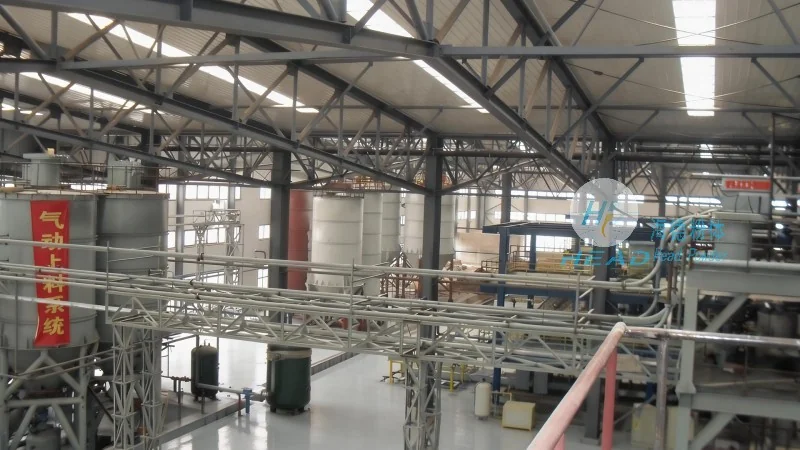
One of the primary advantages of HeadPowder's air-pneumatic conveying system is its ability to handle fine, abrasive tailings particles without causing excessive wear on equipment. The system utilizes compressed air to transport materials in a closed pipeline, minimizing exposure to the environment and reducing the risk of dust emissions or contamination. This feature not only enhances operational safety but also aligns with environmental regulations, making it an attractive option for facilities committed to sustainable practices.
Another significant benefit is the system's flexibility and scalability. HeadPowder's air-pneumatic conveying solutions can be customized to suit various plant layouts and production capacities, allowing for seamless integration into existing infrastructure or new installations. The modular design enables easy expansion or reconfiguration as production needs evolve, providing long-term value and adaptability.
Efficiency and Cost-Effectiveness
HeadPowder's air-pneumatic conveying system is engineered for high efficiency, with minimal energy consumption and low maintenance requirements. The use of compressed air as the primary transport medium reduces the need for heavy machinery or complex mechanical components, resulting in lower operational costs over the system's lifespan. Additionally, the system's ability to handle materials over long distances without intermediate storage or processing points streamlines production workflows and improves overall throughput.
Environmental and Safety Compliance
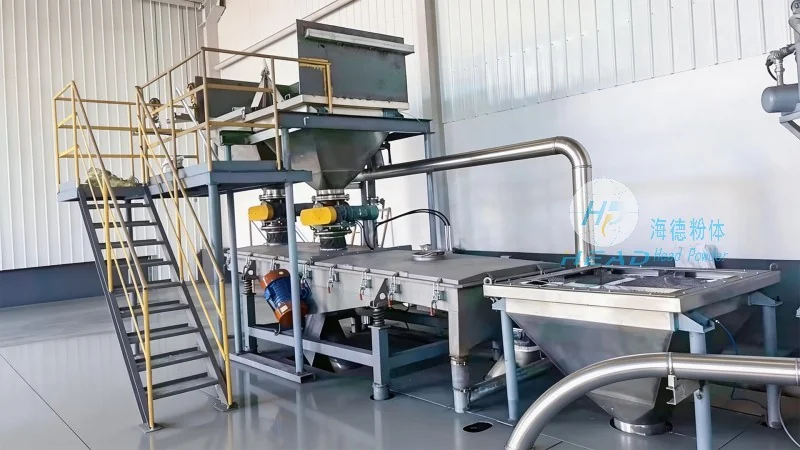
In today's industrial landscape, environmental and safety compliance is paramount. HeadPowder's air-pneumatic conveying system addresses these concerns through its enclosed transport design, which prevents dust and slurry from escaping into the environment. The system also minimizes water usage compared to hydraulic transport methods, reducing the environmental footprint of tailings handling operations. Furthermore, the absence of moving parts in the conveying line reduces the risk of mechanical failures or accidents, contributing to a safer working environment for plant personnel.
Conclusion
For industrial facilities dealing with tailings powder and slurry, selecting the right transport method is critical to optimizing operations and ensuring compliance with environmental and safety standards. HeadPowder Engineering Co., Ltd. offers a comprehensive air-pneumatic conveying solution that addresses the unique challenges of tailings handling, providing efficiency, reliability, and sustainability. By leveraging advanced technology and practical engineering, HeadPowder's system stands out as a superior choice for facilities seeking to enhance their material handling capabilities and reduce operational costs.