

What is Phosphorus Pentoxide Powder Handling Equipment? What Are Its Design Principles?
Phosphorus pentoxide, also known as P₂O₅, is a highly hygroscopic and reactive chemical compound. When handling this powder in industrial applications, specialized equipment is essential to ensure safety, efficiency, and product integrity. This article explores the key aspects of phosphorus pentoxide powder handling equipment, focusing on its design principles and operational considerations.
Understanding Phosphorus Pentoxide Powder Handling Equipment
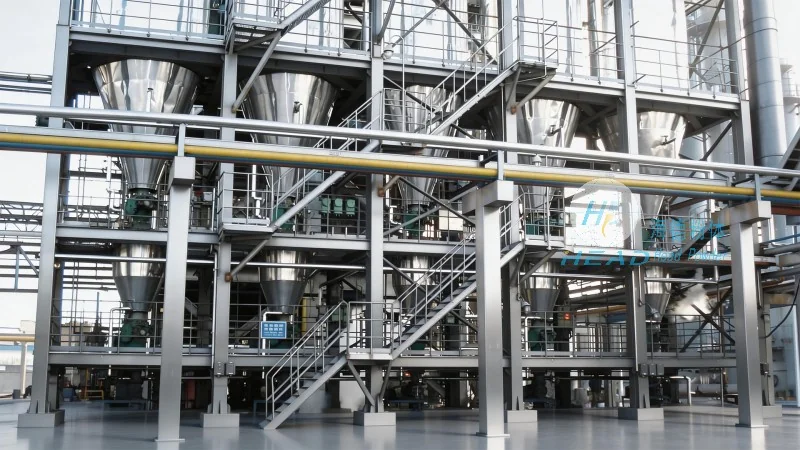
Phosphorus pentoxide powder handling equipment is engineered to manage the unique properties of P₂O₅, which includes its extreme reactivity with water and tendency to form a glassy solid upon contact with moisture. The equipment must be designed to prevent exposure to ambient humidity, control dust generation, and facilitate safe material transfer. At Shandong HeadPowder Engineering Co., Ltd., we specialize in developing solutions tailored to the specific demands of phosphorus pentoxide processing.
Key Design Principles for Phosphorus Pentoxide Powder Handling Systems
The design of phosphorus pentoxide powder handling equipment revolves around several critical principles to ensure safe and effective operation. First, the equipment must be constructed from materials that are chemically resistant to P₂O₅ and its reaction products. Common materials include stainless steel, PTFE-coated components, and specialized alloys that can withstand the corrosive nature of the powder. Second, the system must incorporate effective dust control measures, such as sealed hoppers, enclosed conveyor systems, and filtration units, to prevent airborne contamination and protect personnel. Third, the design emphasizes minimal contact with air and moisture, often using vacuum or pressure-based transfer methods to maintain the powder's dryness and prevent caking or agglomeration. Fourth, safety features are integrated to handle the hazardous nature of P₂O₅, including explosion-proof components, emergency shutdown systems, and proper ventilation to mitigate fume exposure.
Components and Operational Mechanisms
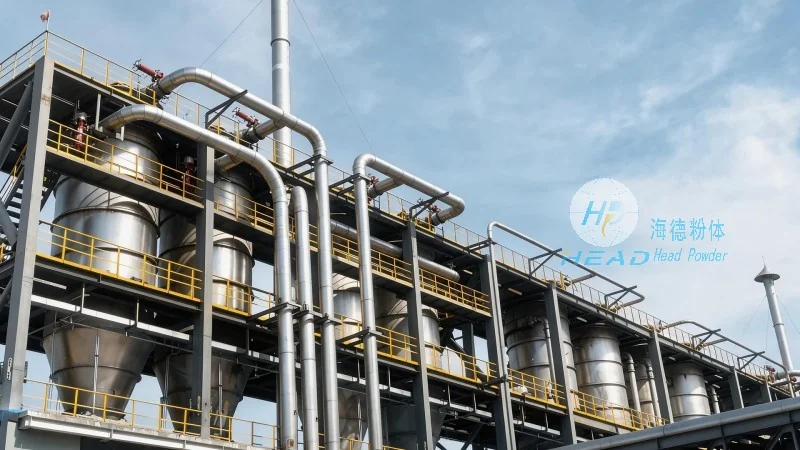
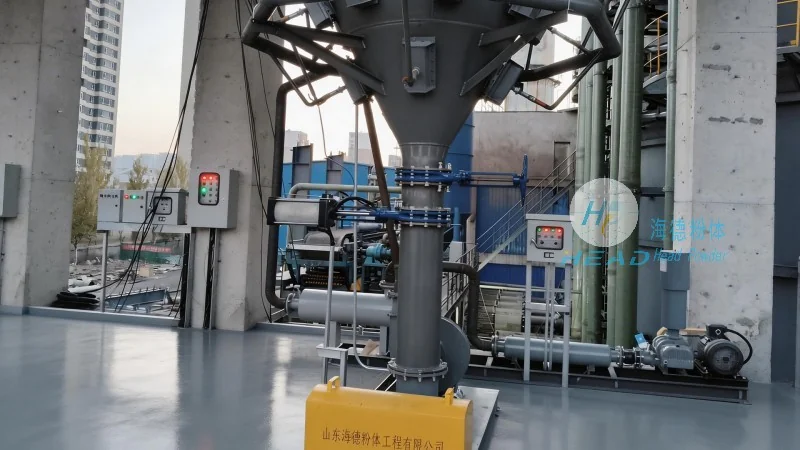
Phosphorus pentoxide powder handling equipment typically consists of several interconnected components that work in harmony to transport and store the material. The primary components include a hopper or storage silo for bulk storage, a feeding mechanism (such as a rotary valve or screw feeder) to control the flow rate, a conveyor system (like a pneumatic or mechanical conveyor) to transfer the powder to processing units, and a collection or discharge system. The feeding mechanism is crucial as it must handle the cohesive and hygroscopic nature of P₂O₅ without causing blockages or uneven flow. Pneumatic conveying systems are often preferred for their ability to maintain low moisture levels and prevent dust accumulation, while mechanical conveyors may be used for shorter distances or where air quality is not a primary concern. The system may also include a dust collection unit to capture any particles that escape during transfer, ensuring compliance with environmental regulations and worker safety standards.
Applications and Industry Use Cases
Phosphorus pentoxide powder handling equipment is widely used in various industrial sectors where P₂O₅ is a key raw material. In the chemical industry, it is employed in the production of phosphoric acid, which is essential for fertilizers, detergents, and food additives. The equipment is also utilized in the pharmaceutical industry for the synthesis of certain drugs and in the manufacturing of high-purity chemicals. Additionally, in the electronics industry, P₂O₅ is used as a precursor for phosphorus-based compounds in semiconductor manufacturing. The reliability and efficiency of the handling equipment directly impact the quality and yield of these end products, making it a critical investment for any facility processing phosphorus pentoxide.
Maintenance and Safety Considerations
Maintaining phosphorus pentoxide powder handling equipment requires careful attention to prevent equipment failure and ensure worker safety. Regular inspections should be conducted to check for signs of corrosion, wear, or damage to components that come into direct contact with the powder. The seals and gaskets in the system must be replaced regularly to prevent moisture ingress, as even small amounts of water can cause the powder to clump and degrade performance. Safety protocols are paramount, as P₂O₅ is a hazardous material that can cause severe burns upon contact with skin or eyes and release toxic fumes when exposed to moisture. Personnel operating the equipment must be trained in proper handling procedures, including the use of personal protective equipment (PPE) such as gloves, goggles, and respirators. Emergency response plans should also be in place to address spills or leaks, ensuring that the facility can quickly contain and neutralize any exposure to the powder.
Conclusion
Phosphorus pentoxide powder handling equipment is a specialized and critical component in industries that rely on this reactive chemical. The design principles, materials, and operational mechanisms of such equipment are tailored to address the unique challenges posed by P₂O₅, including its hygroscopic nature, reactivity, and potential hazards. At Shandong HeadPowder Engineering Co., Ltd., we understand the importance of developing robust and reliable solutions for phosphorus pentoxide processing. By adhering to the key design principles and implementing proper maintenance and safety measures, facilities can ensure efficient and safe handling of phosphorus pentoxide, ultimately contributing to the success of their production processes.