

What is a Hot Dry Ash Powder Conveying System? What are its Design Principles?
Hot dry ash powder conveying systems are specialized industrial equipment designed to handle and transport dry ash powders, typically from power plants or other industrial facilities. These systems are crucial for efficient waste management and material transport, ensuring that ash is moved from its source to disposal or utilization sites without the need for water or other moisture. The core of such systems lies in their ability to maintain the dry state of the ash, which is essential for preventing caking, agglomeration, and other issues that can impede the conveying process. Developed by Shandong HeadPowder Engineering Co., Ltd. (headpowder), these systems represent a cutting-edge solution for modern industrial waste management, combining efficiency, reliability, and environmental responsibility.
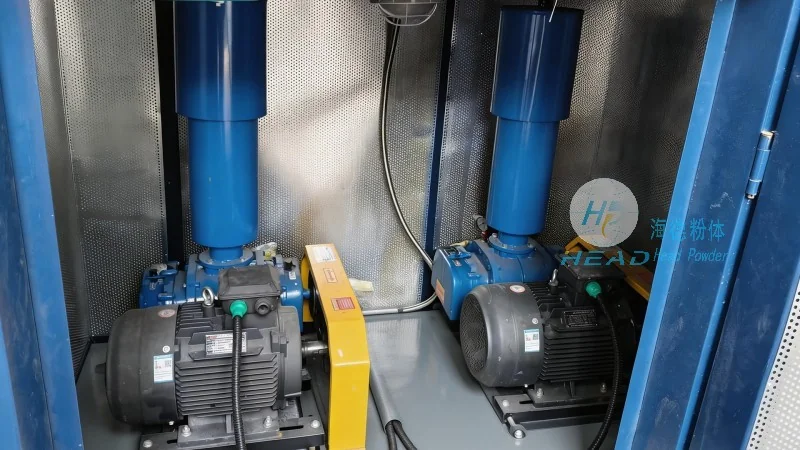
Understanding the Components and Functionality of Hot Dry Ash Powder Conveying Systems
A typical hot dry ash powder conveying system consists of several key components that work in tandem to achieve efficient material transport. The primary elements include a hopper or feeder to introduce the ash powder into the system, a conveyor mechanism (such as a pneumatic or mechanical conveyor), and a control system to regulate the flow and pressure. The system operates by using air or other gases to move the dry ash particles through the conveyor, maintaining a consistent flow rate and preventing blockages. This design ensures that the ash remains in a dry, free-flowing state throughout the conveying process, which is critical for maintaining system efficiency and longevity.
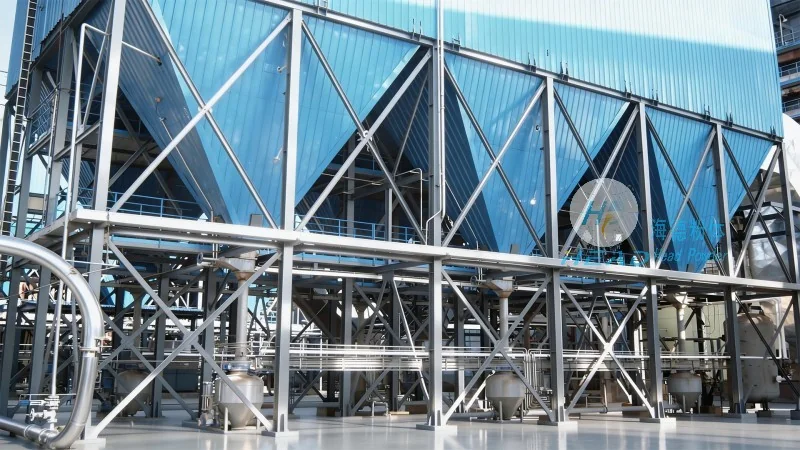
The Design Principles Behind Hot Dry Ash Powder Conveying Systems
The design principles of hot dry ash powder conveying systems are centered on several key factors, including material properties, system efficiency, and operational safety. The first principle is the maintenance of a dry environment, which is achieved by using heated air or other dry gases to transport the ash. This prevents moisture absorption, which can lead to caking and blockages. The second principle is the selection of appropriate materials for the system components, such as corrosion-resistant metals and high-temperature-resistant parts, to withstand the high temperatures and abrasive nature of the ash. The third principle is the optimization of the conveyor speed and pressure to ensure consistent and reliable transport, minimizing energy consumption and wear on the system components. Additionally, the design incorporates safety features, such as pressure relief valves and monitoring systems, to prevent accidents and ensure safe operation.
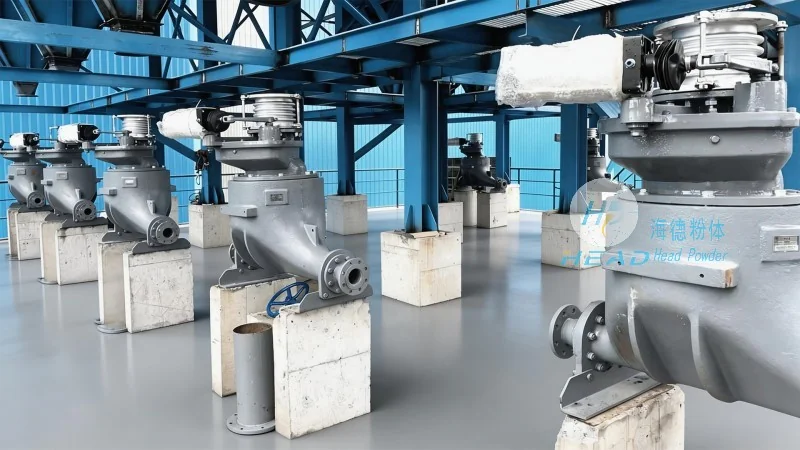
Key Features and Advantages of Hot Dry Ash Powder Conveying Systems
Hot dry ash powder conveying systems offer several advantages over traditional wet ash handling methods. The most significant advantage is the elimination of water usage, which reduces the overall cost of operation and minimizes environmental impact. Additionally, the dry conveying process is more energy-efficient, as it requires less power to move the material compared to wet systems. The systems also provide better control over the ash's properties, such as particle size and moisture content, which is important for downstream processing or utilization. Furthermore, the dry conveying method reduces the risk of dust explosions and other safety hazards, as the ash is kept in a dry state and the system is designed with explosion-proof features. These features make hot dry ash powder conveying systems a preferred choice for many industrial applications.
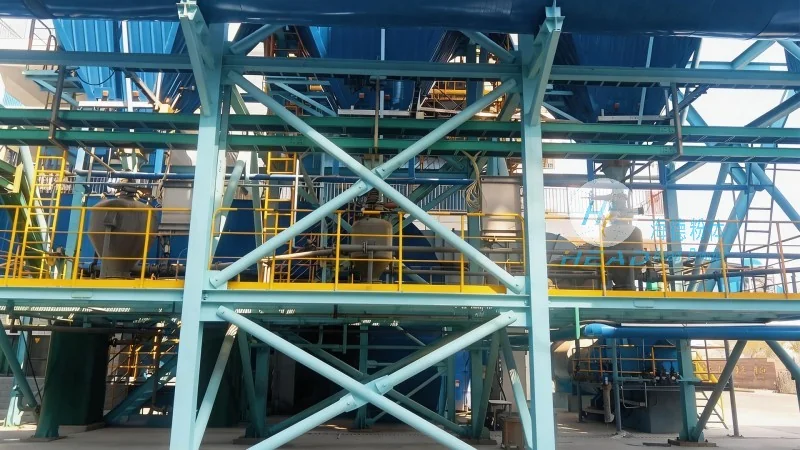
Applications and Industries Using Hot Dry Ash Powder Conveying Systems
Hot dry ash powder conveying systems are widely used in various industries, particularly in power generation and industrial manufacturing. In power plants, these systems are used to transport fly ash and bottom ash from the boiler to disposal sites or to be utilized as a raw material in cement production. The systems are also used in other industrial facilities, such as steel mills and chemical plants, where ash is generated as a byproduct. The versatility of the systems allows them to handle different types of ash, including coal ash, biomass ash, and other industrial residues. The ability to transport ash in a dry state makes these systems suitable for applications where moisture control is critical, such as in the production of building materials or in the treatment of industrial waste.