

What is Soap Pellet Powder Handling? And What Are Its Design Principles?
Soap pellet powder handling is a specialized field within powder processing technology that focuses on the efficient and safe transport of soap pellets, which are typically used in various industrial applications such as detergents, cleaning products, and personal care items. This process involves the movement of these solid particles from one location to another, often within manufacturing facilities or between different stages of production. The design principles behind soap pellet powder handling systems are crucial for ensuring optimal performance, minimizing material loss, and maintaining product quality throughout the handling process. As a leading provider in this field, Shandong HeadPowder Engineering Co., Ltd. specializes in the design and implementation of advanced powder handling solutions tailored to the unique needs of soap pellet applications.
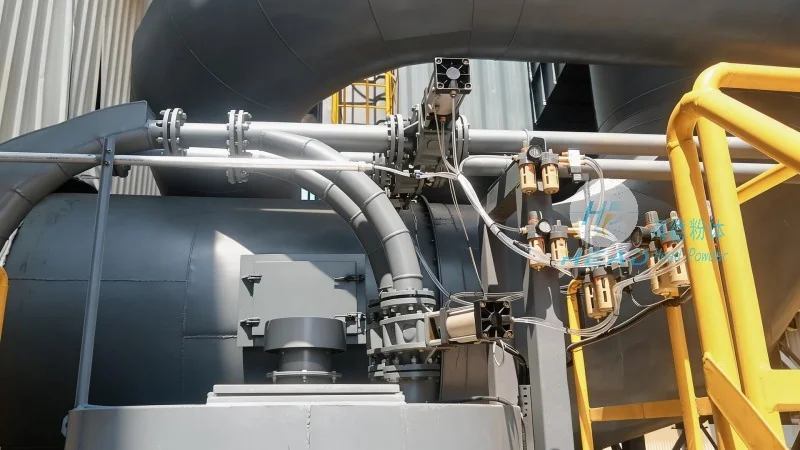
Understanding the Core Components of Soap Pellet Powder Handling Systems
At the heart of any soap pellet powder handling system are several key components that work in tandem to achieve effective material transport. These components include feeders, conveyors, storage hoppers, and control systems. Feeders are responsible for regulating the flow of soap pellets from the storage area into the handling system, ensuring a consistent and controlled rate of material discharge. Conveyors, such as pneumatic or mechanical systems, then transport the pellets to their destination, whether it's a processing unit, packaging line, or storage silo. Storage hoppers provide temporary storage for the pellets, allowing for buffer capacity and preventing interruptions in the handling process. Control systems, often integrated with sensors and automation technology, monitor the flow rates, pressure, and other critical parameters to maintain system stability and prevent blockages or overflows.
The Importance of Design Principles in Soap Pellet Powder Handling
Design principles are fundamental to the success of soap pellet powder handling systems. These principles are based on the physical properties of the soap pellets, including their size, density, moisture content, and flow characteristics. For instance, the design must account for the pellets' tendency to agglomerate or form clumps, which can lead to blockages in conveyor lines or feeders. To mitigate this, engineers may incorporate features like vibration mechanisms or air knives to break up agglomerates and maintain a free-flowing material. Additionally, the design must consider the pellets' sensitivity to moisture and temperature changes, as these factors can affect their handling properties and product quality. Proper sealing and moisture control measures are therefore essential to prevent degradation or caking of the soap pellets during transport.
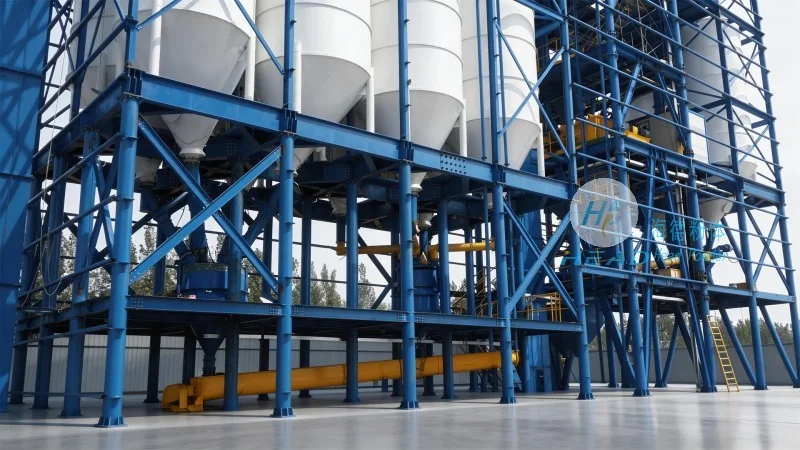
Key Considerations for Efficient Soap Pellet Powder Handling
Efficient soap pellet powder handling requires careful consideration of several factors to ensure optimal performance. One critical aspect is the selection of appropriate equipment based on the specific characteristics of the soap pellets. For example, if the pellets are lightweight and prone to dust generation, a closed-loop pneumatic conveyor system may be more suitable than a mechanical conveyor, as it minimizes dust exposure and improves material containment. Another important consideration is the integration of the handling system with other production processes, such as mixing or packaging, to ensure seamless material flow and reduce downtime. This integration often involves the use of automated control systems that can coordinate the operation of multiple equipment units, optimizing the overall production efficiency.
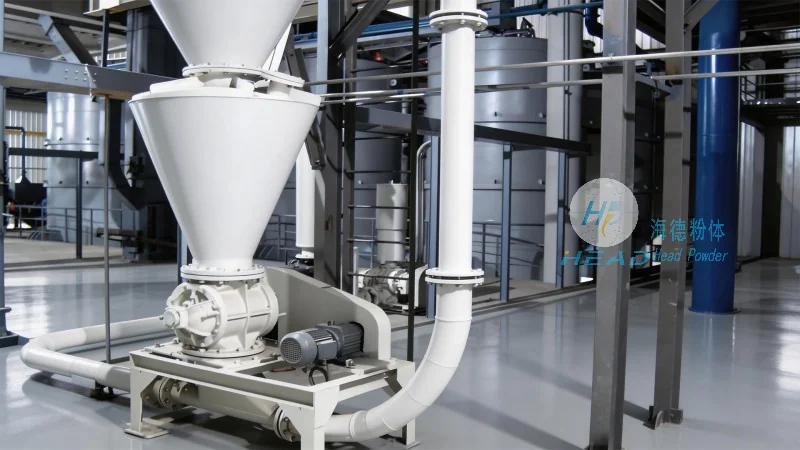
Ensuring Safety and Compliance in Soap Pellet Powder Handling
Safety is a paramount concern in soap pellet powder handling operations, given the potential hazards associated with handling powders, such as dust explosions or material inhalation. Design principles must incorporate safety features like explosion-proof components, dust collection systems, and proper ventilation to mitigate these risks. Additionally, compliance with industry regulations and standards, such as those from the Occupational Safety and Health Administration (OSHA) or the American Conference of Governmental Industrial Hygienists (ACGIH), is essential to ensure that the handling system meets all legal and safety requirements. Regular maintenance and inspection of the equipment are also critical to maintaining safety and preventing accidents or equipment failures.
Conclusion: The Role of Advanced Design in Soap Pellet Powder Handling
In conclusion, soap pellet powder handling is a complex process that requires a deep understanding of both the material properties and the design principles of handling systems. By incorporating advanced design features, such as automated control systems, material flow optimization, and safety measures, manufacturers can achieve efficient, reliable, and safe handling of soap pellets. The continuous development of new technologies and design approaches in powder handling continues to improve the performance of these systems, enabling manufacturers to meet the increasing demands for high-quality soap products while maintaining operational efficiency and safety standards.