

What is a Lithium Carbonate Pneumatic Conveyor? And What Are Its Design Principles?
When it comes to handling lithium carbonate efficiently and safely, the use of a pneumatic conveyor system has become increasingly popular in industrial settings. This article aims to provide a comprehensive overview of what a lithium carbonate pneumatic conveyor is, along with an explanation of its fundamental design principles. By understanding these aspects, you can better appreciate how such equipment contributes to the smooth operation of lithium carbonate processing facilities.
Introduction to Lithium Carbonate Pneumatic Conveyors
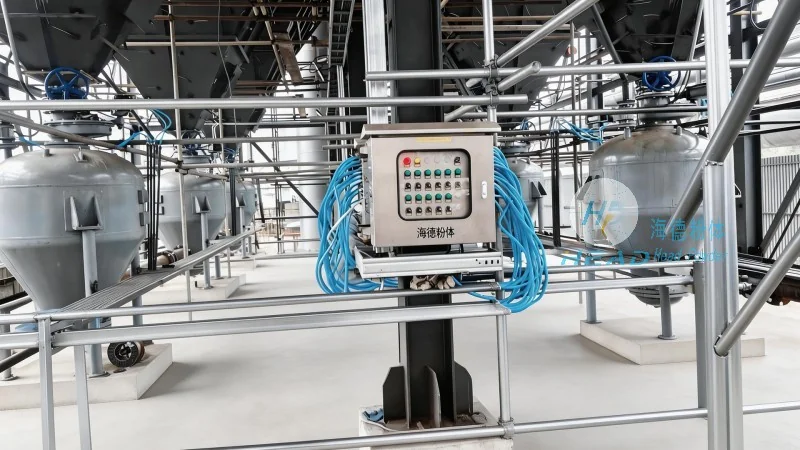
A lithium carbonate pneumatic conveyor is a specialized piece of equipment designed to transport lithium carbonate powder through a system of pipes using air pressure. This method of material handling offers several advantages over traditional methods like belt conveyors or bucket elevators, particularly in terms of flexibility, cleanliness, and the ability to handle fine powders without generating dust or causing contamination. The system typically consists of a hopper, a blower or compressor, a pipeline network, and a discharge point, all working in tandem to move the material from one location to another.
Understanding the Core Function of a Lithium Carbonate Pneumatic Conveyor
The primary function of a lithium carbonate pneumatic conveyor is to transport dry, fine powders like lithium carbonate from a source to a destination. The process involves creating a flow of air within the pipeline, which then carries the powder particles along with it. This air-powder mixture moves through the system, ensuring that the material is transported without the need for physical contact with the conveying equipment. The efficiency of this process depends on several factors, including the air velocity, the particle size of the lithium carbonate, and the overall system design.
Design Principles Behind Lithium Carbonate Pneumatic Conveyors
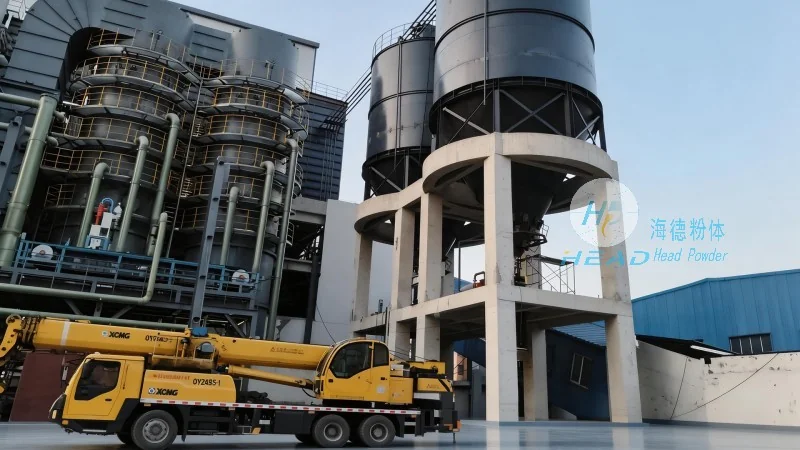
The design of a lithium carbonate pneumatic conveyor is guided by several key principles to ensure optimal performance and reliability. One of the most critical principles is maintaining the correct air-to-material ratio. This ratio determines the velocity of the air stream and the distance over which the material can be conveyed effectively. Engineers at Shandong HeadPowder Engineering Co., Ltd. carefully calculate this ratio based on the specific characteristics of the lithium carbonate being handled, such as its density, moisture content, and particle size distribution.
Another important design principle is the selection of appropriate components. The blower or compressor must be capable of generating sufficient air pressure to move the material through the pipeline, while also being energy-efficient. The pipeline itself is typically made of materials like stainless steel or PVC to prevent corrosion and ensure durability. Additionally, the system includes features like cyclone separators or filters to separate the air from the powder at the discharge point, preventing dust from escaping into the environment.
Key Components and Their Roles in the System
Several key components work together to make a lithium carbonate pneumatic conveyor function effectively. The hopper serves as the initial storage and feeding unit, where the lithium carbonate is loaded. The blower or compressor provides the necessary air pressure to initiate the conveying process. The pipeline network connects the hopper to the discharge point and may include bends, elbows, or other fittings to direct the flow. The discharge point, often equipped with a cyclone separator, collects the material and returns the air to the blower for recycling. Each component plays a vital role in maintaining the efficiency and safety of the system.
Application Scenarios and Practical Considerations
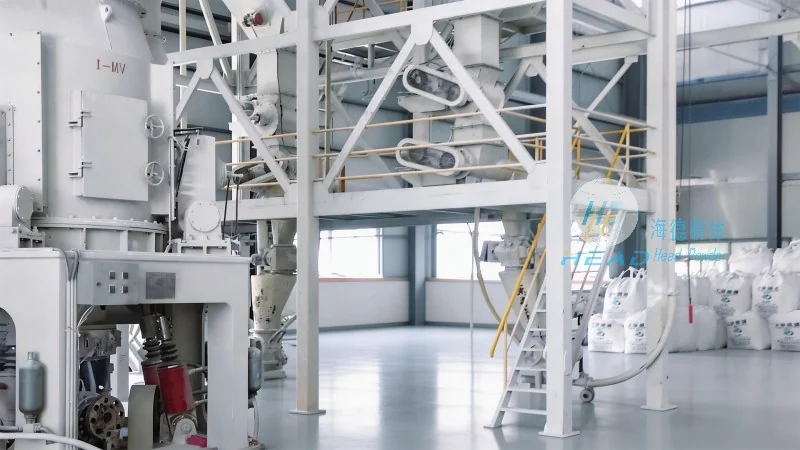
Lithium carbonate pneumatic conveyors are widely used in various industrial applications, particularly in the chemical and pharmaceutical industries. They are ideal for handling materials that are sensitive to moisture or contamination, as the enclosed system prevents exposure to external elements. In addition, these conveyors are suitable for applications where space is limited or where flexibility in material movement is required. Practical considerations when implementing such a system include ensuring proper ventilation to prevent dust accumulation, maintaining the air filtration system to keep the environment clean, and regularly inspecting the components for wear and tear to ensure long-term reliability.
About Shandong HeadPowder Engineering Co., Ltd.
Shandong HeadPowder Engineering Co., Ltd. is a leading manufacturer and supplier of pneumatic conveying systems, including specialized equipment for handling lithium carbonate. With years of experience in the industry, the company has developed a reputation for producing high-quality, reliable, and efficient conveyor systems tailored to the specific needs of its clients. Based in Shandong, China, HeadPowder Engineering Co., Ltd. leverages advanced engineering techniques and rigorous quality control processes to ensure that its products meet the highest standards of performance and safety. The company's commitment to innovation and customer satisfaction has made it a trusted partner for businesses in the lithium carbonate processing sector.