

Types and Features of Pepper Pneumatic Conveying Systems and Their Application Ranges
Pepper, a widely used spice in culinary and industrial applications, often requires efficient and hygienic handling during processing and transportation. Pneumatic conveying systems have emerged as a preferred solution for moving pepper from production sites to processing facilities or storage areas. This article explores the different types of pepper pneumatic conveying systems, their key features, and the specific application ranges where they excel.
Introduction to Pepper Pneumatic Conveying
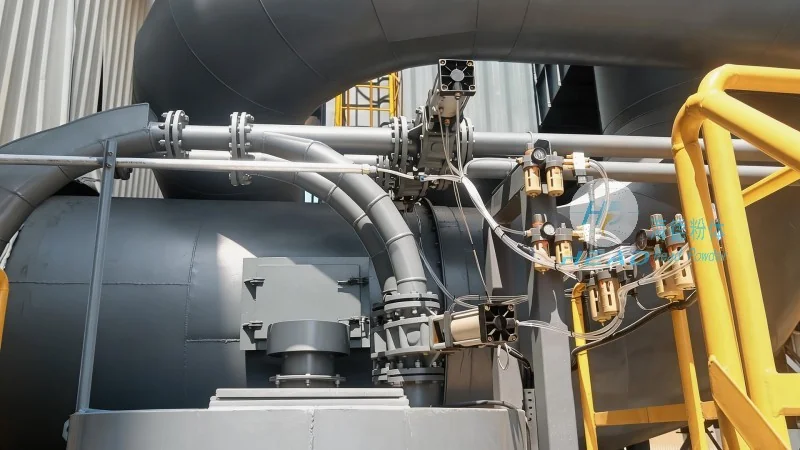
Before delving into the specifics of pepper pneumatic conveying systems, it is essential to understand the fundamental principles behind this technology. Pneumatic conveying involves the use of air or gas to transport bulk materials like pepper through a pipeline system. This method offers several advantages over traditional mechanical conveying, including reduced contamination risk, lower maintenance requirements, and the ability to handle sensitive or hygienically sensitive products without direct contact with equipment surfaces.
Types of Pepper Pneumatic Conveying Systems
There are primarily two main types of pneumatic conveying systems used for pepper: pressure and vacuum systems. Each type has distinct characteristics and is suited for different operational conditions and material handling needs.
1. Pressure Pneumatic Conveying Systems
Pressure systems operate by blowing air or gas into a sealed pipeline under positive pressure. The material is then carried along the pipeline by the moving air stream. This method is particularly effective for conveying pepper over longer distances or when the material needs to be transported against gravity. The high-pressure air ensures that the pepper particles are fully suspended and transported efficiently, minimizing the risk of clogging or material degradation.

2. Vacuum Pneumatic Conveying Systems
Vacuum systems, on the other hand, create a negative pressure environment within the pipeline to draw the pepper material into the system. This approach is often used for shorter conveying distances or when the material needs to be moved from a lower elevation to a higher one. Vacuum systems are also beneficial for handling pepper that is more prone to dust generation or when the process requires a more controlled and gentle handling approach.
Key Features of Pepper Pneumatic Conveying Systems
Regardless of the type, modern pepper pneumatic conveying systems are designed with several key features that enhance their performance and suitability for food processing applications. These features include:
1. Hygienic Design
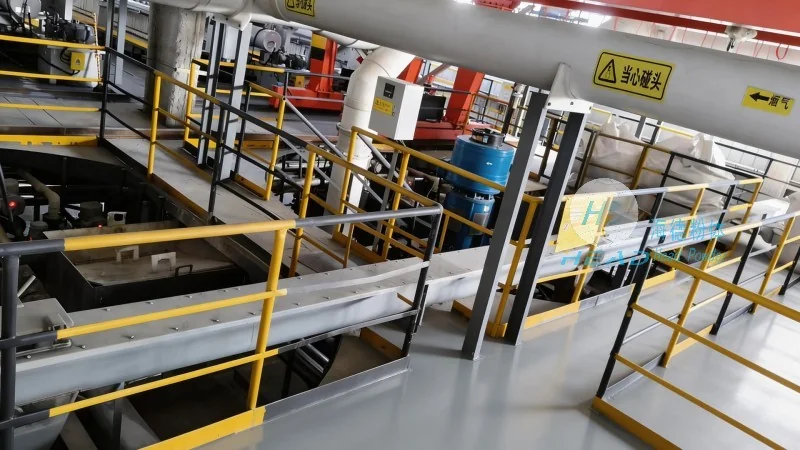
Given that pepper is a food product, the conveying system must meet stringent hygiene standards. Components such as pipelines, valves, and hoppers are typically made from stainless steel or other food-grade materials, ensuring that the product remains uncontaminated throughout the process. The design also includes smooth surfaces and minimal dead zones to facilitate easy cleaning and maintenance.
2. Material Handling Efficiency
The systems are engineered to handle various pepper types, including whole peppers, ground pepper, or pepper powders. The conveying velocity and air flow rates are carefully calibrated to prevent material degradation, such as crushing or overheating, which could affect the flavor and quality of the final product.
3. Energy Efficiency
Modern pneumatic conveying systems incorporate energy-saving technologies, such as variable frequency drives (VFDs) and optimized air flow management. These features help reduce operational costs while maintaining the required conveying performance.
Application Ranges of Pepper Pneumatic Conveying Systems
The versatility of pepper pneumatic conveying systems makes them suitable for a wide range of applications across the spice processing industry. Some of the key application ranges include:
1. From Harvest to Processing
After pepper is harvested from fields, it often needs to be transported to processing facilities. Pneumatic conveying systems can efficiently move large quantities of whole peppers from the field to the processing plant, ensuring minimal handling time and preserving the product's quality.
2. Within Processing Facilities
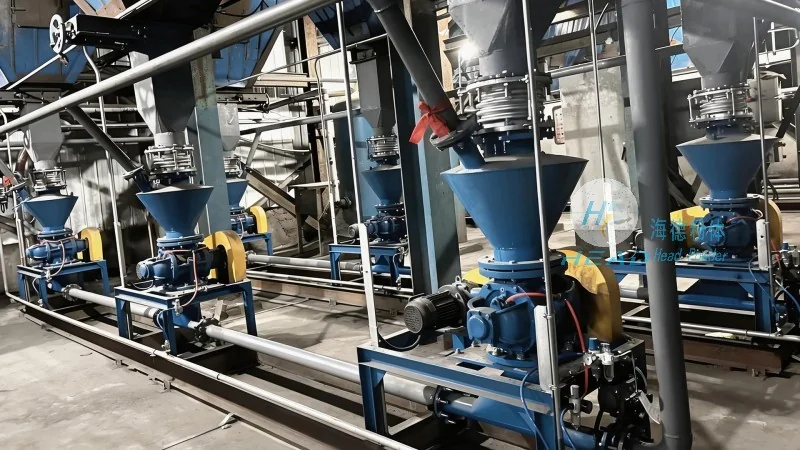
Once inside the processing plant, pepper may need to be transferred between different stages of production, such as from cleaning and sorting to grinding or packaging. Pneumatic conveying systems provide a seamless and hygienic method for moving the product between these stages, reducing the risk of cross-contamination.
3. Storage and Distribution
Pepper is often stored in bulk silos or bins before being packaged for distribution. Pneumatic conveying systems can efficiently transfer the pepper from storage containers to packaging lines, ensuring a continuous and controlled flow of product.
Conclusion
Pneumatic conveying systems offer a reliable and efficient solution for handling pepper in various applications. By understanding the different types, key features, and application ranges of these systems, spice manufacturers can select the most appropriate technology to meet their operational needs while maintaining product quality and hygiene standards. As the demand for high-quality pepper products continues to grow, the importance of effective material handling systems like pneumatic conveying will only increase.