

Design of Inorganic Salt Pneumatic Conveying Equipment
HeadPowder, a leading engineering firm based in Shandong, China, specializes in the design and development of advanced pneumatic conveying systems tailored for the handling of inorganic salts. This article provides a comprehensive overview of the design principles, technical considerations, and practical applications of such equipment, highlighting the expertise and capabilities of Shandong HeadPowder Engineering Co., Ltd.
Key Design Principles for Inorganic Salt Pneumatic Conveying
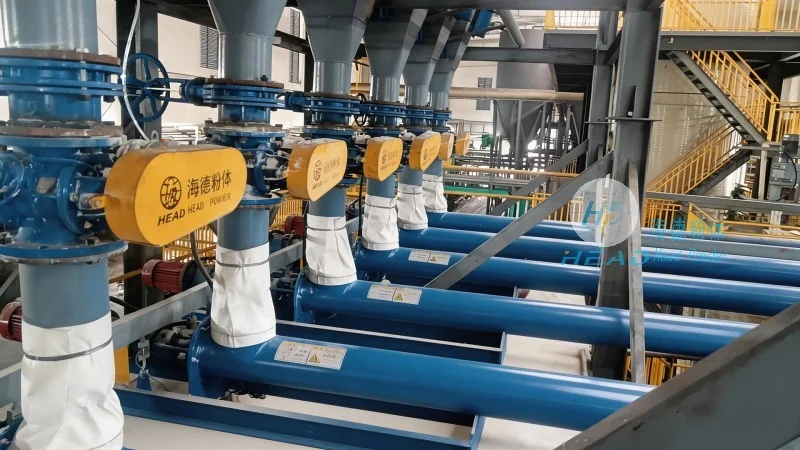
The design of inorganic salt pneumatic conveying equipment involves several critical principles to ensure efficient, reliable, and safe operation. First, the system must be engineered to handle the specific physical and chemical properties of inorganic salts, such as particle size distribution, moisture content, and abrasiveness. These factors directly impact the selection of air flow rates, pipeline materials, and component configurations. For instance, materials like stainless steel or special alloys are often chosen to resist corrosion and wear caused by abrasive salt particles. Additionally, the system design must consider the pressure and velocity requirements to maintain stable flow and prevent blockages or material degradation. HeadPowder employs advanced computational fluid dynamics (CFD) and material testing to optimize these parameters, ensuring that the conveying system operates within safe and efficient operational ranges.
System Components and Their Functions
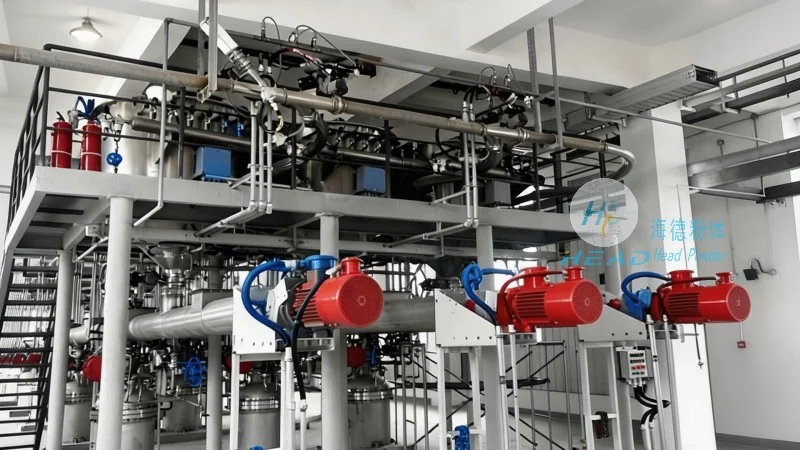
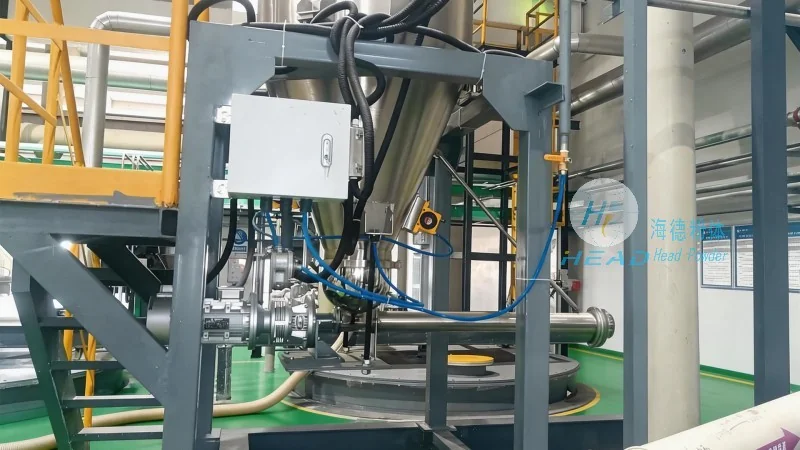
An inorganic salt pneumatic conveying system typically consists of several key components, each playing a vital role in the overall operation. The primary components include the material feed hopper, air supply system (blowers or compressors), conveying pipelines, control valves, and material discharge equipment. The feed hopper is designed to store and feed the inorganic salt into the system, often equipped with level sensors and feeding mechanisms to regulate the flow rate. The air supply system generates the necessary air pressure and flow to transport the salt particles through the pipelines. Conveying pipelines are usually made of durable materials like PVC, stainless steel, or rubber-lined steel to withstand the abrasive nature of the salt and prevent leakage. Control valves, such as rotary airlocks and check valves, regulate the air flow and prevent backflow, ensuring smooth and unidirectional material transport. The discharge equipment, including silos or storage tanks, collects the conveyed salt and prepares it for further processing or use. Each component is carefully selected and integrated to form a cohesive system that meets the specific requirements of the inorganic salt handling application.
Applications and Industry Use Cases
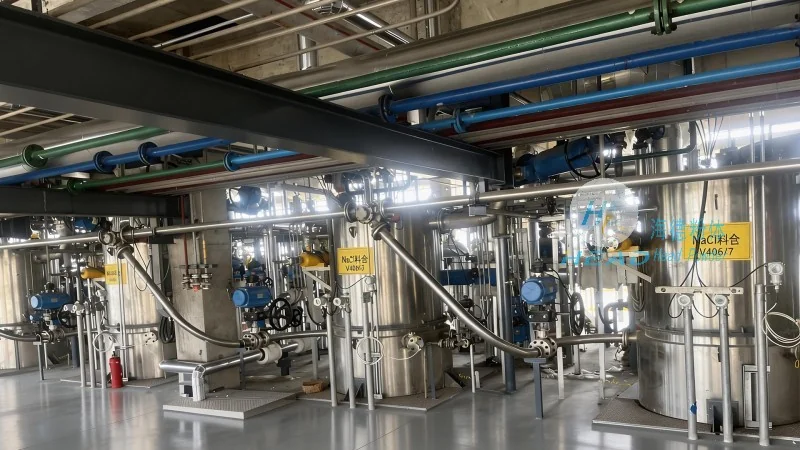
Inorganic salt pneumatic conveying systems find extensive applications across various industries, including chemical manufacturing, food processing, and mining. In the chemical industry, these systems are used to transport raw materials like sodium chloride, potassium chloride, and other salts used in the production of fertilizers, detergents, and pharmaceuticals. The ability to handle large volumes of material efficiently and safely makes pneumatic conveying an ideal solution for these applications. In the food industry, the system is employed to transport salt used in food processing, ensuring hygienic and contamination-free handling. The design of the equipment, with features like stainless steel construction and easy-to-clean components, complies with food safety regulations. In the mining sector, pneumatic conveying systems are utilized to transport salt from mines to processing facilities, reducing the need for manual handling and improving operational efficiency. HeadPowder's systems have been successfully implemented in these industries, demonstrating their reliability and effectiveness in handling diverse inorganic salt applications.
Technical Advantages and Performance Metrics
HeadPowder's inorganic salt pneumatic conveying equipment offers several technical advantages that enhance performance and operational efficiency. One key advantage is the ability to handle abrasive and corrosive materials without significant wear or degradation of system components. The use of high-quality materials and robust design ensures long service life and minimal maintenance requirements. Another advantage is the system's flexibility, allowing for easy integration with existing production lines and adaptation to changing process requirements. The equipment can be configured for both pressure and vacuum conveying, providing versatility in material handling. Performance metrics, such as conveying capacity, pressure drop, and energy consumption, are optimized through rigorous testing and design. HeadPowder's systems typically achieve high conveying capacities with low energy consumption, making them cost-effective solutions for inorganic salt handling. Additionally, the systems are designed with safety features, including pressure relief valves and emergency shut-off mechanisms, to ensure safe operation and protect personnel and equipment.
Customization and After-Sales Support
Shandong HeadPowder Engineering Co., Ltd. provides customized solutions tailored to the specific needs of each client. The company works closely with customers to understand their material characteristics, operational requirements, and budget constraints, then designs and manufactures a pneumatic conveying system that meets all these criteria. Customization options include different pipeline configurations, material feed mechanisms, and control systems. After the system is installed and commissioned, HeadPowder offers comprehensive after-sales support, including maintenance services, spare parts supply, and technical assistance. The company's team of experienced engineers and technicians provides prompt and effective support to ensure the system operates at optimal performance levels. This commitment to customer satisfaction and technical excellence has established HeadPowder as a trusted partner in the inorganic salt handling industry.
Conclusion
Inorganic salt pneumatic conveying equipment is a critical component in the efficient and safe handling of inorganic salts across various industries. The design and development of such systems require a deep understanding of material properties, system dynamics, and operational requirements. Shandong HeadPowder Engineering Co., Ltd., with its expertise and commitment to quality, provides advanced and reliable pneumatic conveying solutions tailored to the needs of inorganic salt applications. By leveraging cutting-edge technology and rigorous engineering practices, HeadPowder ensures that its systems deliver high performance, long service life, and cost-effective operation, making them an ideal choice for businesses in the inorganic salt industry.