
With over a decade of experience in the pneumatic conveying industry, our company specializes in a full range of pneumatic conveying system equipment.
您的当前位置:首页 >> News >> Technical FAQ

News

Rich project cases across industries, showing real implementation and proven technical strength.

Dry chili pneumatic conveying technical overview and introduction

2026-07-20

Dry chili processing presents unique challenges that differ significantly from handling grains, seeds, or powders. The lightweight, irregular shape, and high oil content of dried chili flakes and whole pods require specialized conveying solutions to maintain product integrity and operational efficiency. Pneumatic conveying has emerged as a preferred method for moving dry chili through processing facilities, offering closed-system transport, reduced dust emissions, and gentle handling. This article provides a comprehensive technical overview of dry chili pneumatic conveying systems, covering system configurations, component selection, airflow dynamics, and practical considerations for integration into existing production lines. Whether you are a processor of chili powders, flakes, or whole dried pods, understanding the underlying principles and engineering parameters will help you make informed decisions for your material handling infrastructure.

The global spice processing industry has experienced steady growth, with dried chili production expanding across regions such as India, China, Mexico, and the United States. According to market analysis for 2026, the demand for automated, hygienic conveying systems in spice facilities is projected to increase by approximately 8% annually, driven by stricter food safety regulations and labor shortages. Dry chili, with its moisture content typically below 12% and particle sizes ranging from 0.5 mm powder to 50 mm whole pods, demands a conveying approach that minimizes breakage, prevents clogging, and ensures consistent flow rates. Pneumatic conveying systems, whether dilute phase or dense phase, can be tailored to these requirements. This overview will help engineers and plant managers evaluate the most suitable technology for their specific chili products, throughput targets, and facility layouts.

Fundamentals of Pneumatic Conveying for Dry Chili

Pneumatic conveying uses air pressure or vacuum to transport bulk solids through a pipeline. For dry chili, the primary goal is to move material without damaging its fragile structure or introducing contamination. The two main modes are dilute phase conveying, where particles are suspended in a high-velocity air stream, and dense phase conveying, where material moves as a slug or plug at lower velocities. Dilute phase is common for fine chili powders and smaller flakes because it offers simple design and lower initial cost. However, the high air velocity (typically 20–30 m/s) can cause particle attrition and generate excessive dust. Dense phase conveying, operating at 4–10 m/s, is gentler and better suited for whole chili pods and coarse flakes, though it requires more careful system tuning to avoid blockages.

Dry chili pneumatic conveying technical overview and introduction

Key parameters in system design include the material's bulk density, particle shape, moisture content, and surface characteristics. Dry chili has a bulk density ranging from 250 to 500 kg/m³ depending on grind size and compaction. Its irregular, often curved shape can interlock, leading to bridging in hoppers or plugging in pipes. The natural oil content (capasaicin and other oleoresins) creates tackiness that may cause buildup on pipe walls, especially at bends. Therefore, pipeline material selection and wall roughness matter greatly. Stainless steel with a smooth interior finish is standard, and some systems incorporate wear-resistant liners at high-wear zones. Air velocity must be carefully selected—too low risks settling, too high damages product and increases energy consumption.

Dry chili pneumatic conveying technical overview and introduction

System Components and Configuration Options

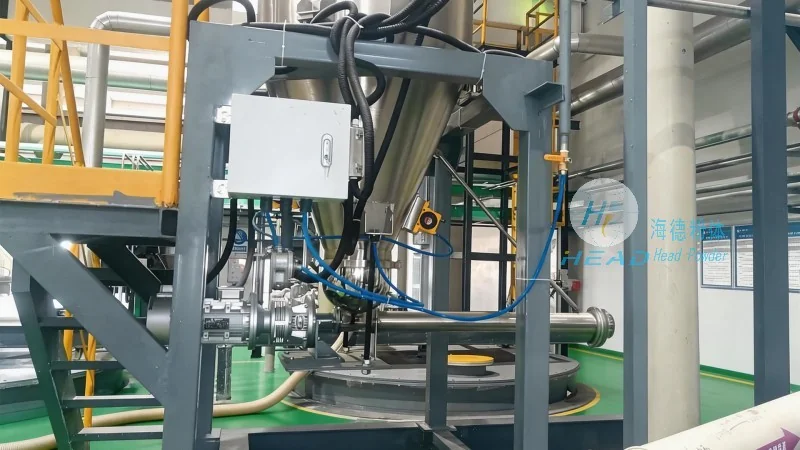
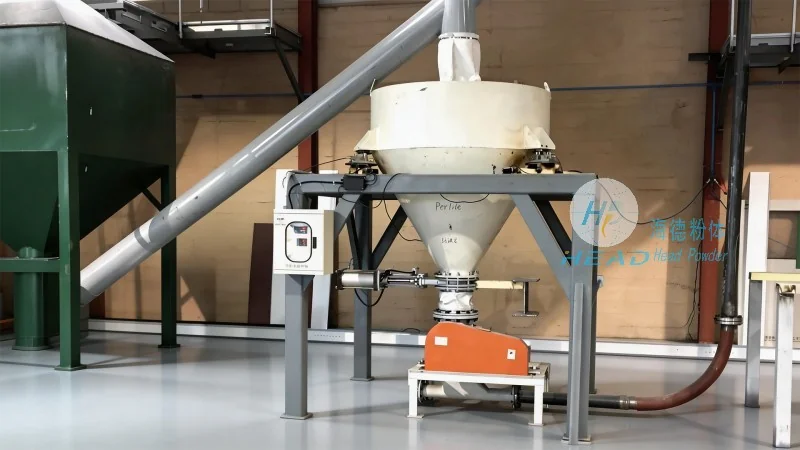
A complete dry chili pneumatic conveying system typically includes a feed hopper, rotary airlock or venturi feeder, conveying pipework, air mover (fan, blower, or compressor), cyclone separator or filter receiver, and a control unit. For chili processing, the feed hopper often includes a vibratory agitator or mechanical stirrer to prevent bridging. The rotary airlock is a critical component—it meters material into the airstream while maintaining pressure differential. For fragile chili flakes, a drop-through rotary valve with adjustable pocket size and rotor speed helps minimize breakage. Alternatively, a venturi eductor can be used in vacuum systems for very gentle pickup, though it is limited to shorter distances.

Conveying pipework should be laid out with long-radius bends (minimum 5D radius, where D is pipe diameter) to reduce impact forces and wear. For whole chili pods, even larger bend radii or use of sweep bends with replaceable backing plates is recommended. Horizontal runs should be limited to avoid material settling; if unavoidable, air velocities should be increased by 10–15% in horizontal sections. Vertical conveying is generally easier for chili because gravity aids flow. The air mover selection depends on system pressure and volume. Centrifugal fans are adequate for low-pressure dilute phase systems up to 0.2 bar, while positive displacement blowers or rotary screw compressors are needed for dense phase and longer distances. Filtration at the discharge point must capture chili dust fines; a bag filter or cartridge collector with reverse pulse cleaning is typical, sized to handle the airflow and dust load.

Dry chili pneumatic conveying technical overview and introduction

Importance of Airflow and Velocity Control

Precise control over airflow rate and velocity is the most critical factor determining system performance in dry chili conveying. If velocity is too low, material drops out of suspension and accumulates, eventually blocking the line. If too high, product degradation and pipe wear accelerate. For chili flakes and powders, the recommended conveying velocity in dilute phase is typically 18–25 m/s, while dense phase operates at 4–10 m/s. These values are influenced by particle size distribution—fines require higher velocities to stay airborne, while larger pieces settle more easily. A common approach is to design the system with a variable-speed air mover and automated dampers to adjust velocity based on real-time pressure readings. Smart controllers can modulate the feed rate and air flow to maintain optimal suspension, reducing energy use and product damage.

For facilities processing multiple chili product grades, flexibility becomes essential. A system that handles both coarse cayenne flakes and fine paprika powder may require interchangeable pipe sections or adjustable air intake. Some advanced installations employ a bypass loop to recirculate a portion of the air, allowing fine-tuning of the transport air stream without changing the fan speed. Additionally, moisture content of chili (even when dried) can vary seasonally; higher moisture increases stickiness and bulk density, demanding slightly higher velocity or lower throughput. Operators should incorporate moisture measurement and automatic adjustment logic into their control system to maintain consistent conveying performance year-round.

Dust Control and Sanitation Considerations

Dry chili processing generates fine dust that is both a respiratory hazard and a combustible material if concentrations reach explosive limits. Pneumatic conveying inherently reduces dust exposure compared to mechanical conveyors because the product is enclosed in pipes. However, the system must be designed with proper dust collection at transfer points and discharge. Bag filters or cartridge filters with HEPA-grade filtration are recommended for final exhaust to meet OSHA and international dust exposure limits. For facilities handling chili with high capasaicin content, which can cause irritation, venting should be directed outside or through activated carbon scrubbing.

Sanitation is non-negotiable in food processing. Stainless steel construction (304 or 316 grade) with sanitary welds is standard. All components should be designed for easy cleaning—preferably with CIP (clean-in-place) capability or quick-disconnect fittings for manual washdown. The piping must be sloped to drain completely and avoid liquid pooling. For chili that requires allergen segregation, the pneumatic system can be dedicated or designed with isolation valves and purge cycles to prevent cross-contamination. Meat and bone meal, gluten, and other allergen residues are unlikely to be present in a chili-only line, but if the facility processes multiple spices, thorough cleaning protocols are essential. Headpowder's team has extensive experience designing hygienic conveying systems for spice applications, ensuring compliance with FDA, EU, and GFSI standards.

Case Study: Optimizing Whole Chili Pod Conveying

A medium-scale chili processing plant in the southwestern United States was experiencing frequent blockages and high product breakage when moving whole dried ancho and chipotle pods from storage to a grinding station. The existing system used a standard dilute phase design with short-radius bends and a fixed-speed positive displacement blower. After consultation with headpowder's engineers, the plant converted to a dense phase system with a 6-inch pipeline, 8D-radius sweep bends, and a variable-speed rotary valve. The conveying air velocity was reduced from 22 m/s to 6 m/s, cutting pod breakage by over 70% and eliminating line plugs. Energy consumption dropped 35% because the lower airflow required less blower power. The payback period was under 18 months, driven by reduced product waste and lower maintenance. This example illustrates that a tailored approach—not a one-size-fits-all solution—yields the best results for dry chili.

Selecting the Right System for Your Facility

When evaluating a pneumatic conveying system for dry chili, decision-makers should consider throughput requirements, product characteristics, layout constraints, and budget. For throughputs below 5 tons per hour with primarily fine powders, dilute phase offers the most cost-effective path. For higher rates or for whole pods and coarse flakes, dense phase or a hybrid system may be necessary. The distance of transport also matters—systems over 100 meters require higher pressure capabilities and more robust air movers. Another factor is available ceiling height; vertical lifts can be accomplished with pneumatic conveyors more easily than with bucket elevators, making them ideal for multi-story facilities.

Partnering with an experienced supplier like headpowder ensures that the system is engineered for the specific rheology of dry chili. headpowder conducts thorough material testing in its pilot facility, measuring flowability, attrition resistance, and air permeability of customer chili samples. This data drives precise pipe diameter, air volume, and component selection. The company also provides on-site installation support and training. For those considering automation, headpowder integrates PLC-based controls with remote monitoring capabilities, allowing operators to track pressure profiles, motor loads, and filter conditions from a central panel. Contact us to discuss your chili conveying project. (咨询热线:156-6277-7102)

Maintenance and Troubleshooting Best Practices

Even well-designed pneumatic conveying systems require regular maintenance to sustain performance. For dry chili, the most common issues are filter clogging, rotary valve wear, and pipe abrasion at bends. Establishing a preventive maintenance schedule is essential. Filters should be inspected weekly and cleaned or replaced per manufacturer recommendations; differential pressure gauges can signal when cleaning is needed. Rotary airlock rotors and housing should be checked for wear quarterly—chili's abrasive nature can erode carbon steel rotors quickly, so using hardened stainless steel or ceramic coatings extends life significantly.

Pipe wear is most pronounced at the outer wall of bends. Using thicker-wall pipe (schedule 40 or 80) in these sections, or installing replaceable wear plates, extends system longevity. Operators should also listen for unusual sounds—a sudden increase in blower noise may indicate a blockage forming. Pressure sensors at multiple points along the pipeline allow early detection of pressure spikes that precede plugs. When a plug occurs, the safest clearing method is to use low-pressure purging with compressed air or nitrogen, rather than increasing blower speed, which can compact the material further. Having a clear standard operating procedure for startup, shutdown, and emergency stops minimizes product loss and downtime.

Future Trends and Technological Advancements

The dry chili conveying industry is evolving with advances in sensor technology, automation, and materials science. By 2026, we expect wider adoption of predictive maintenance using vibration and acoustic sensors that detect early signs of component failure. Machine learning algorithms can analyze historical pressure and flow data to optimize air velocity in real time, further reducing energy consumption and product damage. Another trend is the use of modular, skid-mounted pneumatic systems that can be quickly deployed and reconfigured as production requirements change. For sustainable operations, energy recovery systems that capture heat from compressors or reuse exhaust air for drying are gaining interest.

In the area of material handling, new pipe linings—such as ultra-high molecular weight polyethylene (UHMWPE) or ceramic tile—offer superior wear resistance without contaminating food products. Additionally, the development of non-mechanical feeders like air-assisted venturis eliminates moving parts that can break chili pieces. These innovations, combined with better understanding of bulk solids flow behavior, will continue to improve the reliability and efficiency of dry chili pneumatic conveying. headpowder remains at the forefront of these developments, incorporating validated technologies into its system designs and providing clients with future-proof solutions.

Selecting the right pneumatic conveying system for dry chili is a critical decision that affects product quality, operational costs, and workplace safety. By understanding the principles of dilute and dense phase conveying, component selection criteria, and the importance of airflow control, processors can achieve consistent, gentle, and efficient material transport. Whether you are upgrading an existing line or building a new facility, a well-engineered system will pay dividends in reduced waste, lower maintenance, and higher throughput. For specific technical recommendations or a consultation on your project, reach out to headpowder's engineering team. (咨询热线:156-6277-7102)

相关推荐

Shandong headpowder Engineering Co., Ltd. All rights reserved.

回到顶部