

Coke Pneumatic Conveying Technology: Principles, Applications, and Development Trends
HeadPowder, a leading engineering company based in Shandong, China, specializes in advanced solutions for coke handling and material transport. This article explores the fundamental principles, practical applications, and emerging trends in coke pneumatic conveying technology, highlighting how such systems enhance efficiency and safety in industrial operations.
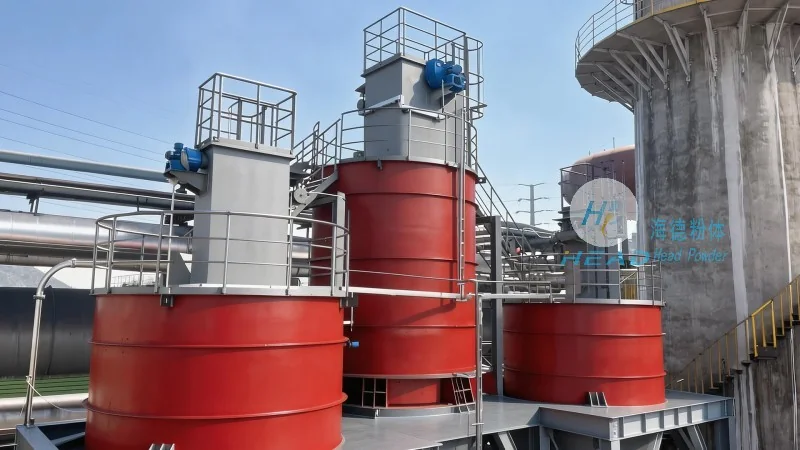
Principles of Pneumatic Conveying for Coke
Pneumatic conveying technology involves the transport of solid materials, such as coke, using a gas stream (typically air or a mixture of air and other gases). The core principle relies on creating a pressure differential to move the material through a pipeline. There are two primary types of pneumatic conveying systems: dilute-phase and dense-phase. Dilute-phase systems operate at higher velocities, with particles suspended in the air stream, suitable for short distances and low to moderate material loads. Dense-phase systems, on the other hand, use lower velocities and higher pressure, ensuring particles move in a slurry-like state, ideal for longer distances and bulk material transport. The choice between these systems depends on factors like the coke's physical properties, the required conveying distance, and the desired system efficiency. The system typically includes components like a feeder, a conveying line, a separator, and a receiver. The feeder ensures a consistent material feed rate, while the conveying line transports the coke. The separator removes the air from the material stream, and the receiver collects the coke. The pressure and velocity of the gas stream are critical parameters that affect the system's performance, including conveying capacity and material handling efficiency.
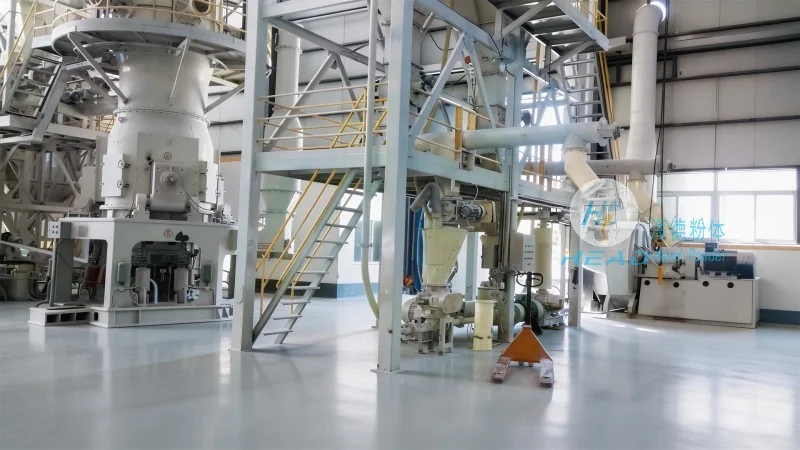
Applications of Coke Pneumatic Conveying Systems
Coke pneumatic conveying systems are widely used in various industrial sectors, including steel production, chemical processing, and power generation. In steel mills, these systems efficiently transport coke from storage facilities to blast furnaces, ensuring a steady supply of raw material for the smelting process. The systems are also employed in chemical plants to move coke for further processing, such as carbonization or blending with other materials. In power generation facilities, coke is conveyed to boilers for fuel combustion, optimizing energy production. The technology is particularly advantageous in environments where traditional mechanical conveyors may pose challenges, such as in dusty or hazardous areas. By using pneumatic systems, industries can reduce the risk of material spillage, minimize labor costs associated with manual handling, and improve overall operational safety. Additionally, these systems can handle a wide range of coke sizes and shapes, from fine powders to large lumps, making them versatile for different industrial needs. The flexibility of pneumatic conveying allows for integration with existing production lines, enhancing workflow efficiency and reducing downtime.
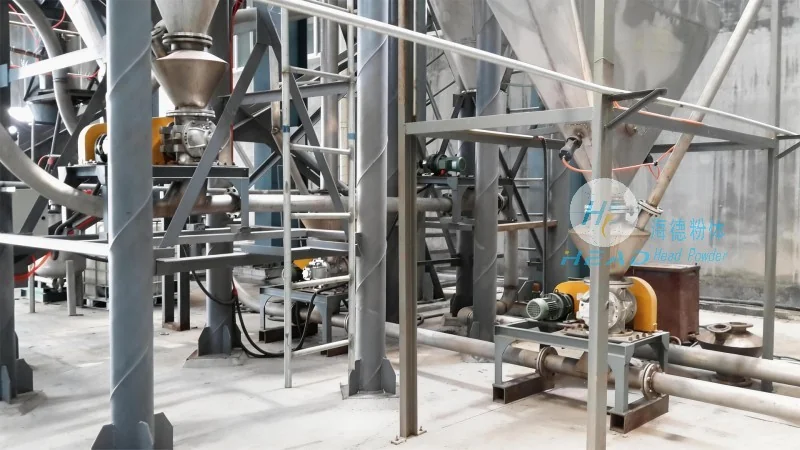
Development Trends and Advancements in the Technology
The coke pneumatic conveying technology has evolved significantly over the years, driven by advancements in engineering and material science. Modern systems now incorporate advanced control systems, such as PLC (Programmable Logic Controllers), which enable precise regulation of conveying parameters, including pressure, velocity, and feed rate. This automation enhances system reliability and reduces the need for manual intervention, leading to improved operational efficiency. Additionally, the use of high-performance materials, such as corrosion-resistant alloys and advanced coatings, has extended the lifespan of conveying components, reducing maintenance costs and downtime. Another trend is the integration of sensors and monitoring systems, which provide real-time data on system performance, allowing for proactive maintenance and troubleshooting. This data-driven approach helps in optimizing system operation and identifying potential issues before they escalate. Furthermore, research and development focus on improving energy efficiency, with new designs incorporating energy recovery systems and optimized air flow patterns. These advancements aim to reduce the overall energy consumption of the conveying process, making it more environmentally friendly and cost-effective. The future of coke pneumatic conveying technology is likely to see further innovations, including the use of artificial intelligence for predictive maintenance and the development of more compact and portable systems for on-site applications. These trends reflect the industry's commitment to enhancing operational efficiency, safety, and sustainability in material handling processes.
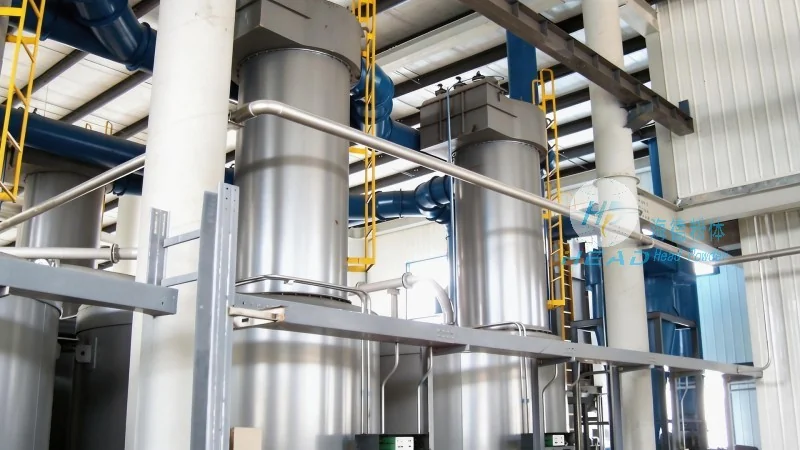
About Shandong HeadPowder Engineering Co., Ltd.
Shandong HeadPowder Engineering Co., Ltd., based in Shandong, China, is a leading provider of engineering solutions for material handling and processing. The company specializes in designing, manufacturing, and installing advanced pneumatic conveying systems, including those for coke transport. With a strong focus on innovation and customer satisfaction, HeadPowder leverages its expertise to deliver customized solutions tailored to the specific needs of industrial clients. The company's team of experienced engineers and technicians ensures that each project is executed with precision and adherence to industry standards. HeadPowder's commitment to quality and reliability has earned it a reputation as a trusted partner in the material handling industry, serving clients across various sectors, including steel, chemicals, and power generation. The company's facilities in Shandong are equipped with state-of-the-art technology and equipment, enabling it to handle complex projects and deliver high-performance solutions. By combining technical expertise with a customer-centric approach, HeadPowder continues to drive advancements in material handling technology and support the growth of its clients' operations.