

Cotton Pneumatic Conveying Technology: Principles, Applications, and Development Trends
HeadPowder, a leading engineering company based in Shandong, China, specializes in the design, manufacturing, and implementation of advanced cotton pneumatic conveying systems. This technology represents a sophisticated method for transporting cotton and related materials through a pipeline using air pressure or vacuum. The fundamental principle behind this system involves the creation of a flow of air that carries the material particles, enabling efficient and dust-free movement from one location to another.
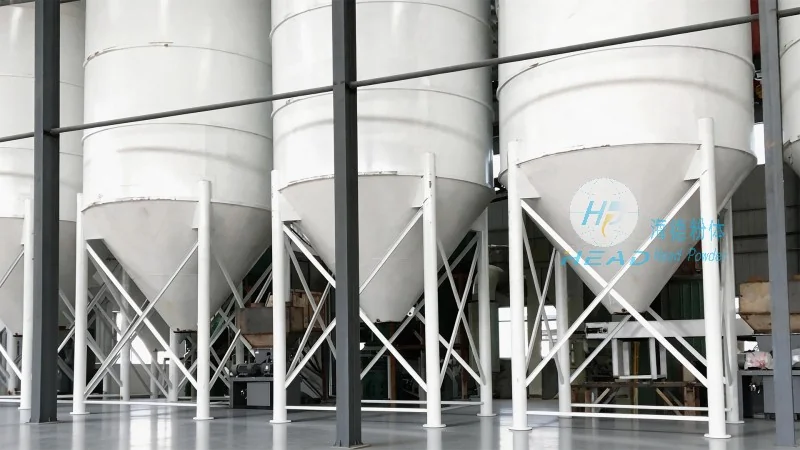
The core mechanism of cotton pneumatic conveying technology operates by introducing air into a hopper or storage container, where the cotton fibers are drawn into a pipeline. As the air flows through the system, it lifts and propels the cotton particles along the pipeline. This process can be categorized into two main types: dilute phase and dense phase conveying. Dilute phase systems use higher air velocities to move materials quickly, while dense phase systems employ lower velocities and higher air-to-material ratios to ensure gentle handling and minimal degradation of the cotton.

Applications of cotton pneumatic conveying technology are widespread across the textile and agricultural sectors. In textile mills, these systems are crucial for transferring raw cotton from storage silos to processing machines, such as carding and spinning equipment. The ability to handle large volumes of cotton with minimal human intervention enhances operational efficiency and reduces labor costs. Additionally, in agricultural settings, pneumatic conveyors are used for transporting harvested cotton from fields to processing facilities, ensuring a continuous and clean supply chain. The technology also finds applications in cottonseed processing, where it facilitates the separation and transport of seeds and fibers.
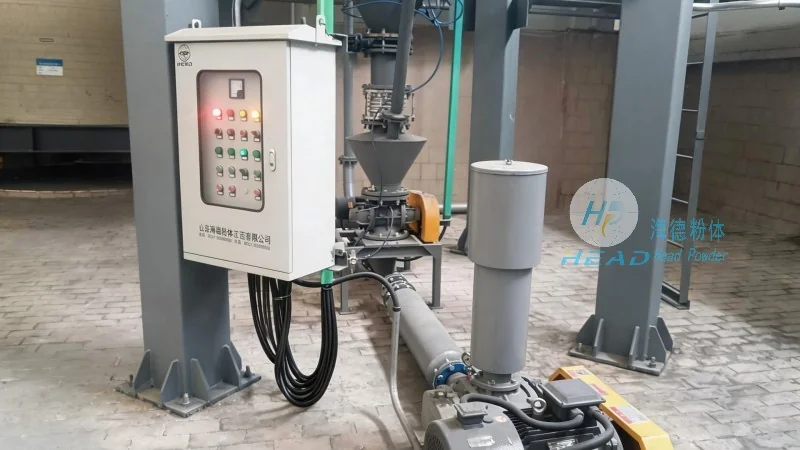
Recent advancements in cotton pneumatic conveying technology have focused on improving energy efficiency and material handling capabilities. Modern systems now incorporate variable frequency drives (VFDs) to optimize air pressure and flow rates, reducing energy consumption by up to 30% compared to traditional systems. Additionally, the integration of sensors and automation allows for real-time monitoring of system performance, enabling predictive maintenance and minimizing downtime. These technological improvements not only enhance operational efficiency but also contribute to cost savings and environmental sustainability.
Looking ahead, the development of cotton pneumatic conveying systems is expected to continue evolving with emerging trends in automation and sustainability. The adoption of artificial intelligence (AI) and machine learning (ML) in system control is anticipated to further refine material flow management, leading to more precise and efficient operations. Furthermore, the shift towards greener technologies, such as the use of renewable energy sources to power air compressors, is likely to become more prominent. These advancements will not only improve the performance of cotton conveying systems but also align with global sustainability goals, making them more attractive to environmentally conscious industries.
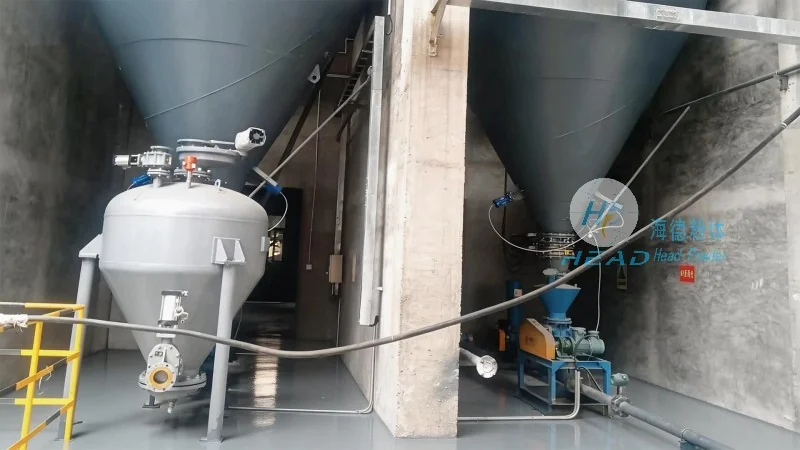
HeadPowder, with its extensive experience in engineering and manufacturing, remains at the forefront of these technological developments. The company’s commitment to innovation and customer satisfaction has enabled it to deliver tailored solutions that meet the specific needs of its clients. By leveraging cutting-edge technology and adhering to stringent quality standards, HeadPowder ensures that its cotton pneumatic conveying systems are reliable, efficient, and adaptable to evolving industry requirements. As the demand for advanced material handling solutions in the cotton sector grows, HeadPowder is well-positioned to provide the expertise and technology needed to drive industry progress.